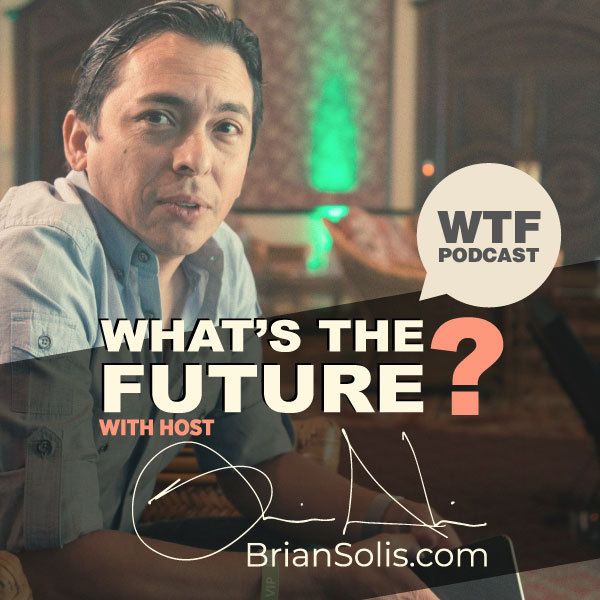
In episode 3 of WTF: What’s the Future, I spent time with someone who has had a profound impact on my life, Charlene Li. For those who don’t know, Charlene was my partner and mentor at Altimeter Group for nine years. Together, we helped pioneer research for traditional and also startup businesses to thrive in an era of digital Darwinism. Long before we were partners, she was a big inspiration in her work at Forrester and with her book, co-authored with…
Futurist and digital anthropologist Brian Solis helps Greater Akron Chamber look ahead
Article via Akron Beacon Journal, Jim Mackinnon The 2021 Greater Akron Chamber’s annual meeting explored how it had to change and transform to serve its members and the community during the pandemic, much of the program involved looking ahead, not back. And that’s in large part where keynote speaker Brian Solis figured in. Solis is a futurist, “digital anthropologist” who looks at how consumer behavior has evolved, book author, digital entrepreneur and frequent invited speaker who in 2020 was named the Global Innovation Evangelist…
If Digital Distraction Inhibits Creative Flow and Happiness Correlates Directly to Creativity, What Will You Do Differently Tomorrow?
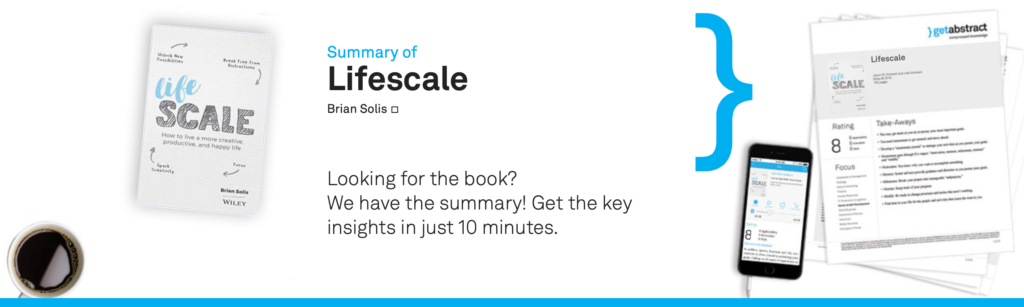
Via GetAbstract… Looking to find balance? Looking for direction? Looking for meaning? It’s time to scale your life in this crazy world? GetAbstract has the summary to help you LifeSCALE! Get the key insights in just 10 minutes. Your time and attention have never been more valuable. Tech companies vie for your attention and trade it as a commodity (have you seen Social Dilemma on Netflix?). They lure you into increasing your time on their platforms, and exploit neuroscientific discoveries…
![Digitaal antropoloog Brian Solis: “Bedrijven moeten zich nú klaarstomen voor Generation N” [Video in English]](https://briansolis.com/wp-content/uploads/2021/04/Digitaal_antropoloog_Brian_Solis__Bedrijven_moeten_zich_nu_klaarstomen_voor_Generation_N-1024x503.png)
Digitaal antropoloog Brian Solis: “Bedrijven moeten zich nú klaarstomen voor Generation N” [Video in English]
By Magali De Reu, Bloovi Brian Solis is naast bestseller-auteur misschien wel dé autoriteit op vlak van marketing en sociale media. Als ‘digitaal antropoloog’ houdt de Amerikaan voortdurend de vinger aan de pols over de maatschappelijke verschuivingen die op ons afkomen. In een nieuwe Techmag episode geeft hij een blik op de toekomstige trends in het digitale landschap, en hoe bedrijven zich kunnen voorbereiden op het nieuwe normaal. Business as (un)usual zonder leiderschap Wanneer ik Brian Solis – in het…
WTF: What’s the Future Podcast – 5 Destructive Personas That Are Killing Your Creativity with Chase Jarvis
In episode 2 of WTF: What’s the Future, I get to spend time with another dear friend, Chase Jarvis. In my mind, Chase is one of the most creative and inspiring artists of the digital economy. We’ve also had some of the most soulful conversations of my life all around the world. I’m proud to know him. Chase joined me on WTF to discuss his latest book, Creative Calling: Establish a Daily Practice, Infuse Your World with Meaning, and Succeed…
The Digital Transformation of Mindsets to Drive Exponential Innovation in the Novel Economy
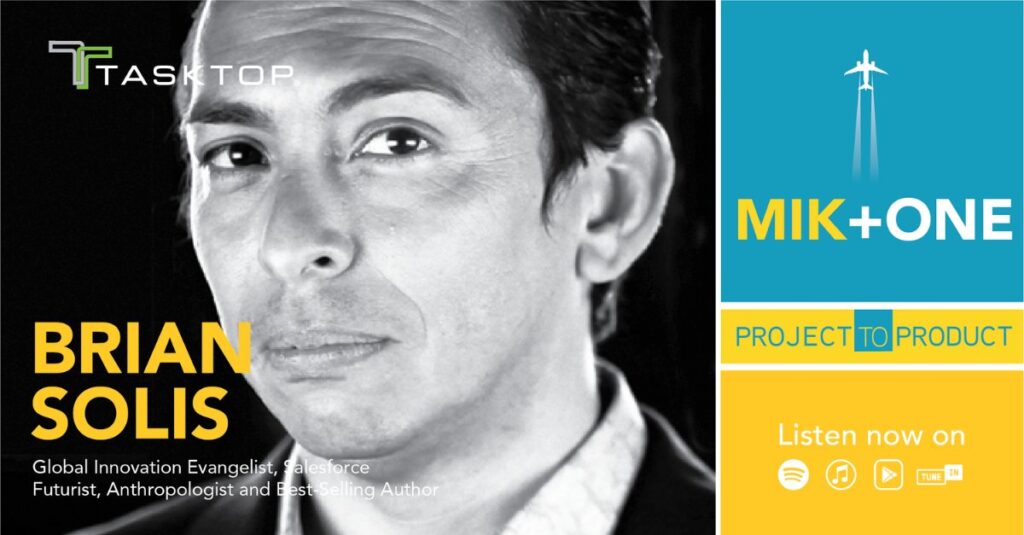
Dr. Mik Kersten is someone I only recently met, but I’ve quickly grown fond of his thinking and work. In 2020, we organized an event together, “Transitioning from Project to Product to Thrive in the New Normal.” Our initial conversation led to an exploration of new possibilities in digital transformation in a time of global crisis, an era I called the “Novel Economy.” Then earlier this year, Dr. Mik and I hosted an executive roundtable that focused on strategy planning and…
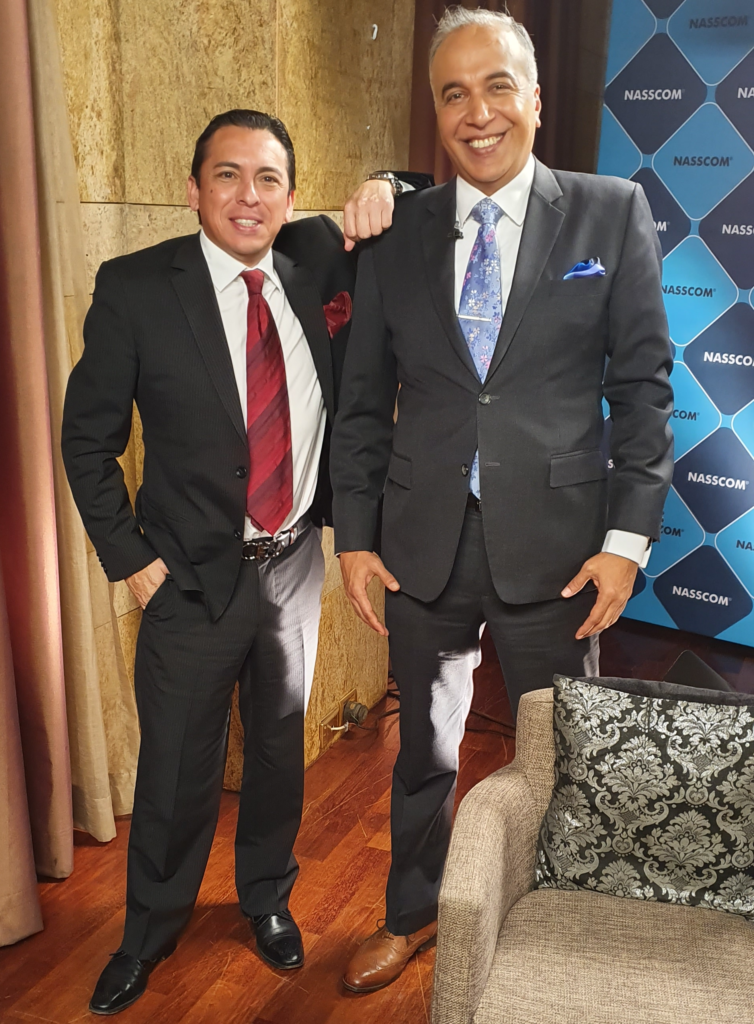
Artificial Intelligence and Quantum Computing Will Change our World Completely
It was just 14 months since I was in Mumbai. Seems like a lifetime ago already. At NASSCOM, I had the opportunity to present on #quantumcomputing and also separately on the importance of human-centered design in technology. It was truly an amazing event. Before I left, Suresh Venkat invited me to a video conversation about tech and humanity. I wanted to share a clip with you. I’m definitely going to spend more time on this subject over the coming year….
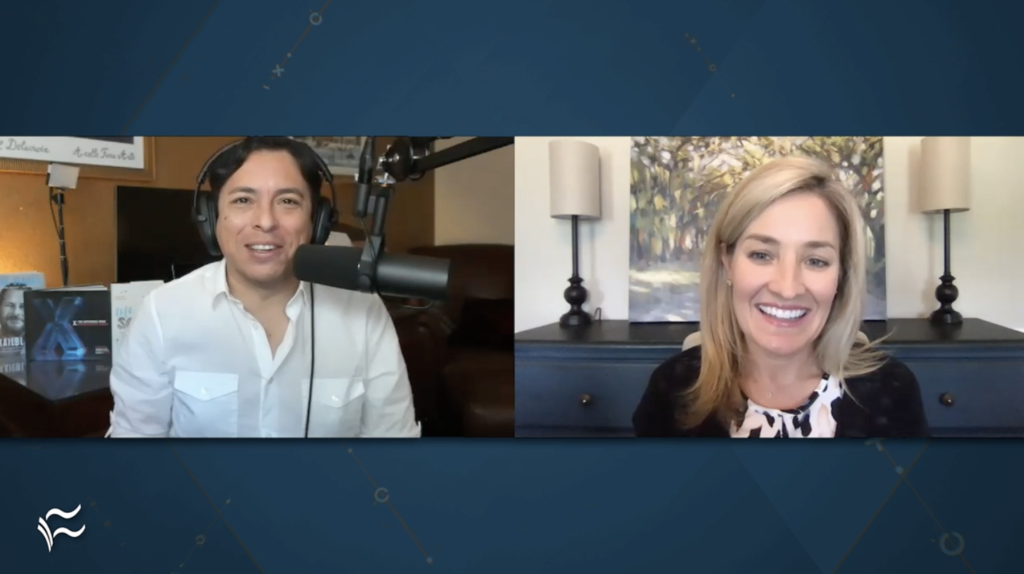
TechRepublic: When It Comes to Digital transformation in a Time of Crisis, It’s Time to Invent the Future We Want
TechRepublic’s Karen Roby talked with analyst Brian Solis about the impact of COVID-19 on digital transformation. The following is an edited transcript of their conversation. Karen Roby: Brian, you’ve added a new title, which I think is really interesting, we can talk a little bit about, global innovation evangelist for Salesforce. What does that mean? Brian Solis: It means that I have to look at all of the trends happening in the market and essentially try to make sense of…
WTF: What’s the Future Podcast – 11 Habits to Become a Master Influencer with Author Jason Harris
In episode 1 of WTF: What’s the Future, I interview my dear friend Jason Harris explore his new book,The Soulful Art of Persuasion. The Soulful Art of Persuasion is a revolutionary guide to becoming a master influencer in the age of distrust, through the cultivation of character-building habits that are essential to personal growth and sustained business success. Jason is also the CEO of the pioneering advertising agency Mekanism. We go WAY back to the early days of digital, before…
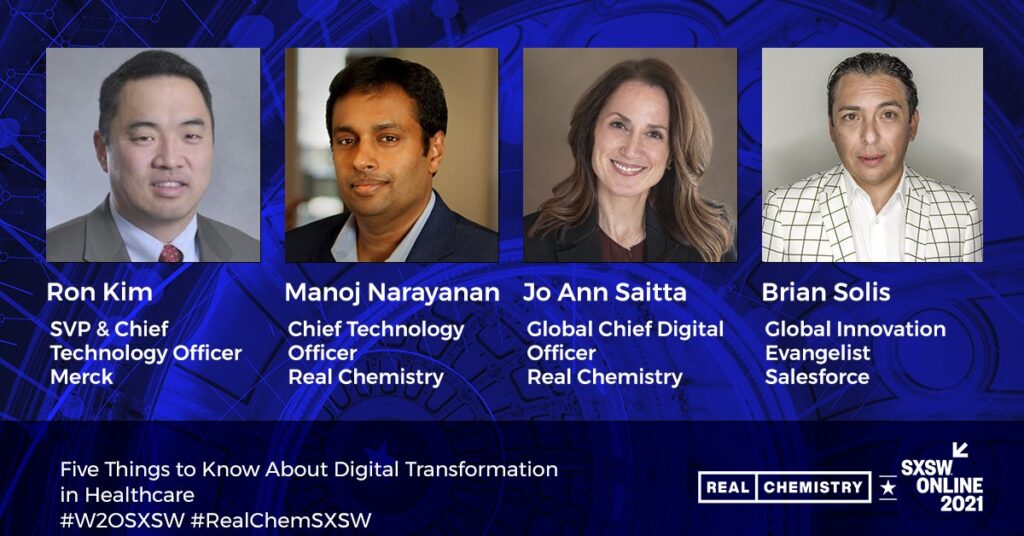
Celebrating Health Innovation at SXSW Online 2021
SXSW was one of the first industry conferences cancelled in 2020 due to the COVID-19 global pandemic. My friends at Real Chemistry were among the first to support SXSW’s virtual come back. Real Chemistry hosted a unique Healthcare Media Lounge, a two-day virtual event that featured industry experts who explored the future of digital health innovation. I was invited to join an amazing panel to speak about “Five Things to About Digital Transformation in Healthcare.” My colleagues on the panel included, Ron Kim,…