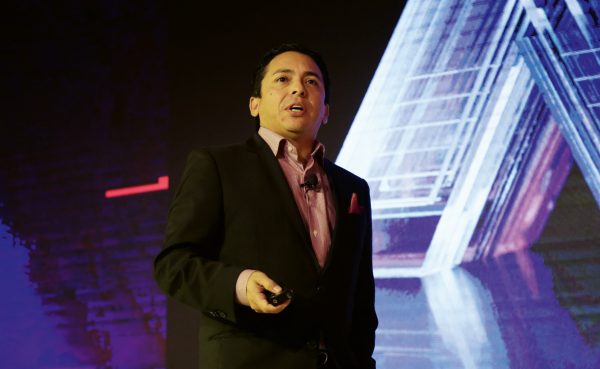
Original article written by Austyn Allison, Campaign Middle East Brian Solis is Global Innovation Evangelist at Salesforce [previously principal analyst at Altimeter Group in the US], where he studies disruptive technology and works with companies around the world on business innovation and digital transformation strategies. He was introduced at last month’s OMD Predicts event in Dubai as “a keynote speaker, digital anthropologist and futurist,”and he has always looked at how technology affects society. He began his career looking at ways…
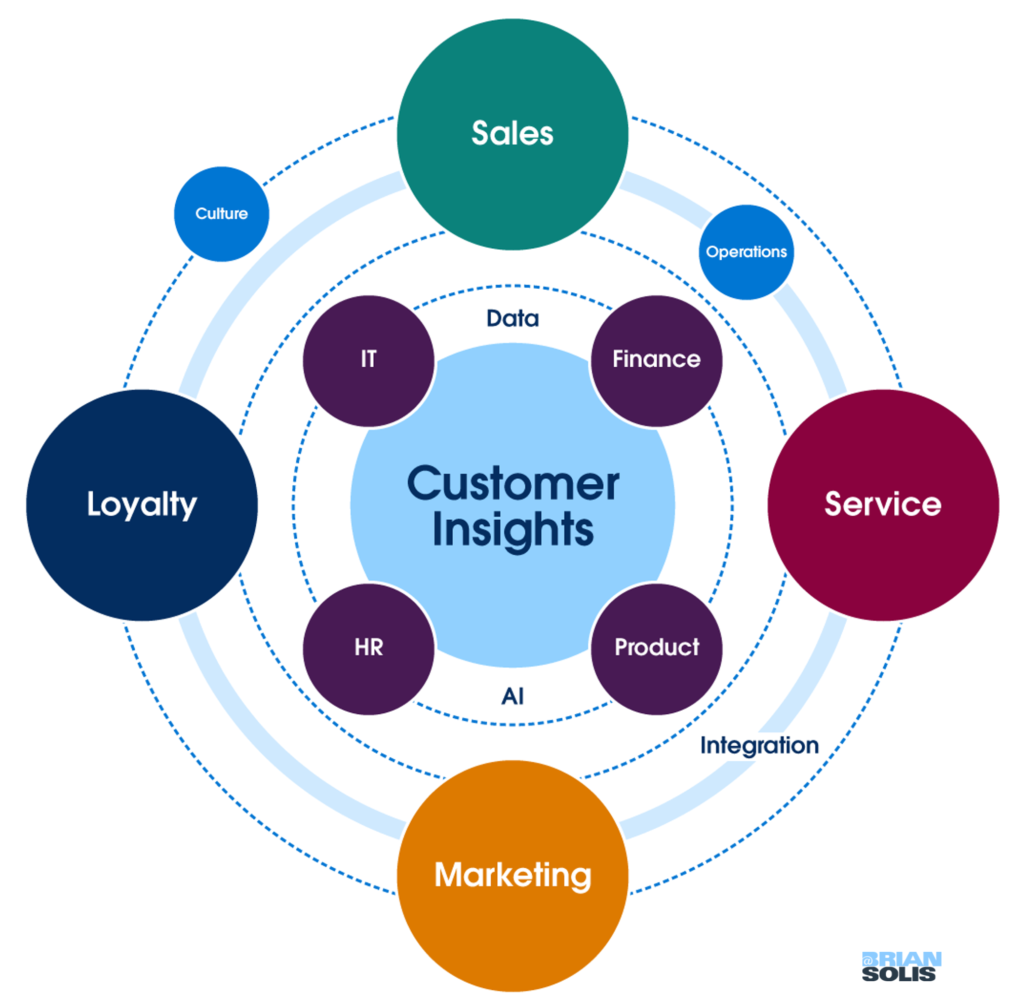
Special Report: A Blueprint for Becoming a Customer-Unified Company; Making the Customer’s Experience the Heart of the Enterprise
Customer experience is the number one priority as ranked by executives around the world. Even though most may say they’re already “customer-centric,” the reality is that only 15% say they have both a single (360-degree) view of customer data and the organizational structure to make use of those insights. At Salesforce, I recently had the opportunity to work with Harvard Business Review Analytic Services (HBRAS) on a survey of 1,100 executives around the world exploring how to meet the future…

Shifting Strategy from Customer Experience to the Customer’s Experience
Originally published at CMO Perspectives by Jessica Denny The pandemic transformed us into a digital-first society, and now digital-first customers are driving total market transformation. World-renowned digital anthropologist and futurist Brian Solis is Salesforce’s Global Innovation Evangelist. Recently, he led a CMO Club virtual roundtable about how the pandemic’s hyper-acceleration to digital substantially changed the opportunity to improve customer relationships. It starts by recalibrating our perspective and seeing the world through their experiences. In a digital-first world we meet our…
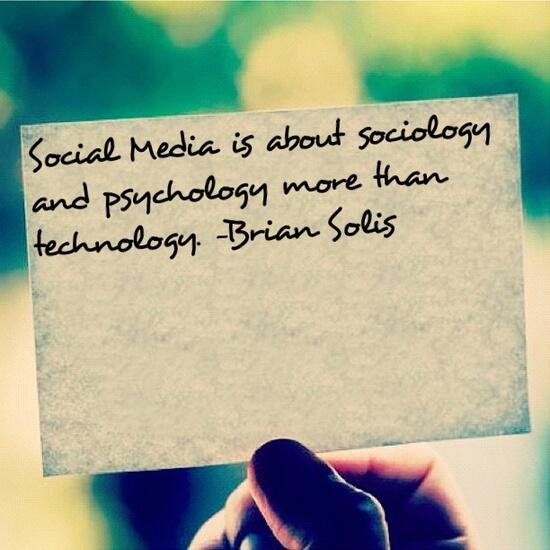
Social Media is About Sociology and Psychology Not Technology
An important reminder… Social media is about sociology and psychology, not technology. Original quote circa 2007. I’ve remixed it over the years to include anthropology and other social sciences. The original idea is what helped to formalize my work into what would eventually become “digital anthropology.” The statement was true then and perhaps, truer now. Source: Google
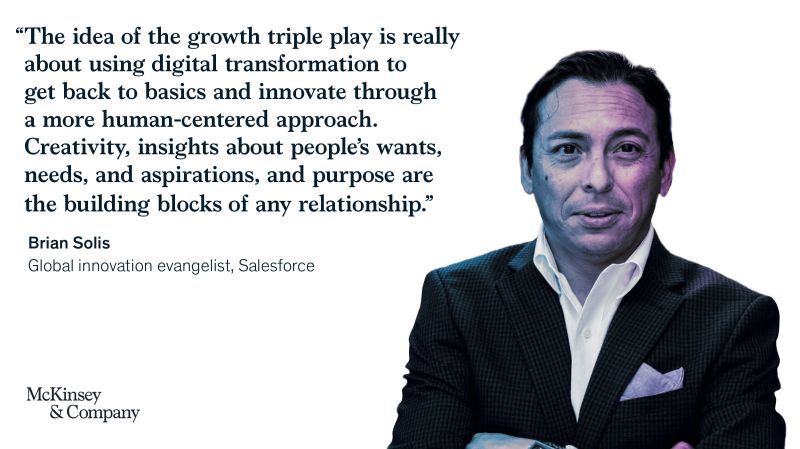
The New Playbook for the Future of Marketing and CX Will Be Written by You
Recent McKinsey research uncovered a “growth triple play,” where successful companies integrate creativity, analytics, and purpose to deliver at least two-to-three times the growth of their peers. But even for those companies that used just one of the capabilities—either creativity, analytics, or purpose—they experienced an average growth rate of more than 6%. Those that added a second component saw growth rates climb to more than 7%. And for those that employed the full triple play, growth rates climbed to more…
Digital Experience Is Your Brand’s Superpower
A special video/audio conversation recorded for the Invoca Summit that explores how #DX will shape #CX. Description: A conversation between Kenneth Kinney, host of “A Shark’s Perspective” and Brian Solis, the Global Innovation Evangelist at Salesforce; a world-renowned keynote speaker often referred to as one of the greatest digital analysts of our time; and an award winning author of eight best-selling books including “Lifescale: How to Live a More Creative, Productive, and Happy Life”. Video version here.
How to Transform in a Time of Uncertainty; The Path to Personal and Professional ROI (Return on Innovation)
The following was written as a prelude to a keynote presentation for a global company undergoing massive transformation. May it also inspire you in your work to bring about meaningful change… Change isn’t easy. This is why “business as usual” constistently becomes the status quo. Unless we decide to move in a new direction, nothing really changes. No matter our experience and beliefs, no matter how many new things we surround ourselves with, we aren’t really moving in a new…
The Art of Life(SCALING) and the Importance of Digital Welness
Excited to share this with you! I joined the “Art of the Possible” podcast with Dan Morrison and Rob Page. During our awesome conversation, we explored the evolving world of tech, where we are going as a society as a result, and the impact of digital on us as human beings. We also review ways we can be more intentional in our relationships with devices, networks, and apps for improved digital wellness, self care, and happiness. 🤳 Please listen and…
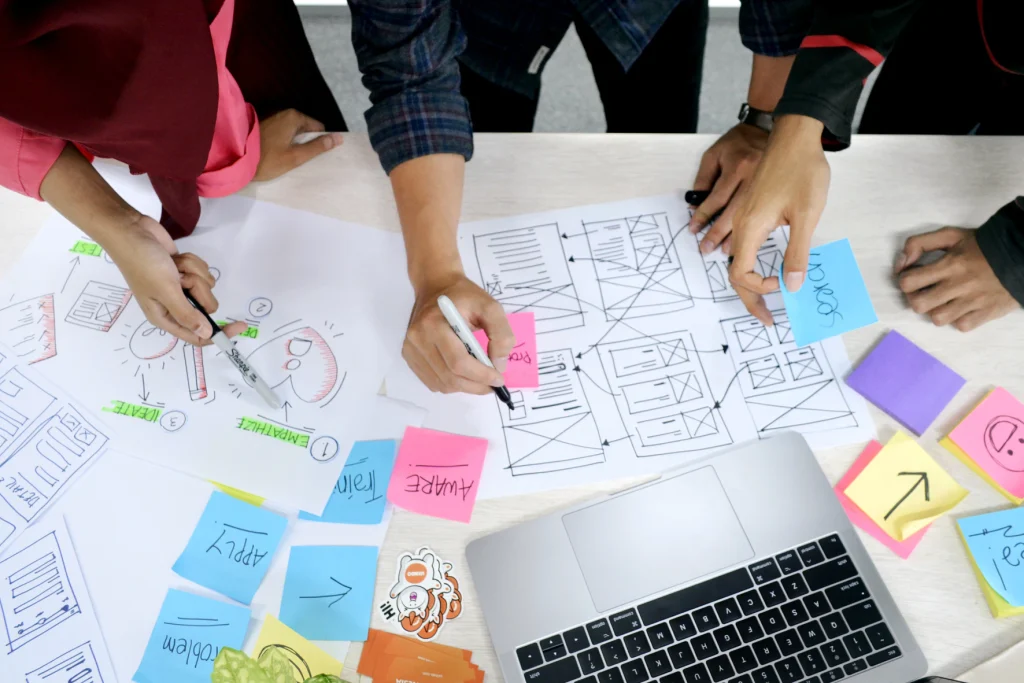
Shifting Mindsets from Customer Experience to the Customer’s Experience
I recently had the opportunity to partner with my colleague Jon Suarez-Davis on a fireside conversation for the CMO Club. What an incredible experience to hear from so many CMOs leading through change in these uncharted times. Jessica Denny summarized the conversation at CMO Perspectives and it’s well worth your time. Please take a moment to read (and share!) Thank you. The pandemic transformed us into a digital-first society, and now digital-first customers are driving total market transformation. World-renowned digital…

Personal Growth During Times of Digital Disruption
Have you ever had one of those late night conversations with a dear friend about life, work, and the future that you’ll never forget? My conversation with Jim Marous was just like that. I wanted to share it with you here… via The Financial Brand Digital disruption is impacting today’s worker more than ever, with sociologists believing that today’s worker will need to ‘reinvent themselves’ several times during a career in the future. While maintaining the status quo provides…