
I spent the day at Mercedes Benz Research and Development North America (MBRDNA) in Sunnyvale, California getting a full briefing on the state of the company’s EV, machine learning/AI and autonomous work. More on that soon. By the time I arrived home later that evening, thank you Guy Kawasaki for the ride, I received an email from Uber that it was set to debut a bold new autonomous pilot in San Francisco effective immediately. Wait. What? Wow. Indeed. Uber is extending its…

What CMOs Must Get Right In 2017 To Succeed as an ‘Experience Business’
Like clockwork, every December, experts voice their predictions and advice to guide us in the coming year. Sometimes I offer my thoughts. Mostly, I spend my time curating emerging and disruptive technology trends. This year however, my dear friend Giselle Abramovich with CMO.com, reached out with an exceptional question and I couldn’t resist…especially since the answer was limited to 25 words. Digital transformation and becoming a “customer experience business” is clearly the future for marketing. What is the one thing CMOs…
![The Coming Trends in Digital Transformation, Marketing, CX and EX [VIDEO]](https://briansolis.com/wp-content/uploads/2016/12/a-change-e1403099627193-620x437.jpg)
The Coming Trends in Digital Transformation, Marketing, CX and EX [VIDEO]
It was the day after the U.S. election. I arrived in Copenhagen. I was tired. It near the end of a two week trip that took me to Munich, Amsterdam, Beirut, and London. But, I was also excited to attend Digital Copenhagen, a conference that explores digital trends affecting the future of business. My presentation was set to challenge conventional beliefs around several important technological and business trends. Before I took the stage, I joined the crew at TwentyThree to…

E-Commerce and Apps Pave the Way To The Future of Retail: Inside Amazon Go, A New Retail Experience
We’re a company of builders. Of pioneers. It’s our job to make bold bets, and we get our energy from inventing on behalf of customers. Here are just some of the innovations pioneered by Amazon, and we’re always looking for the next one. – Amazon Every industry is ripe for disruption. It’s what you do now that defines your future and legacy. One of the most exposed industries to disruption at the moment, among many, is the retail sector. From…
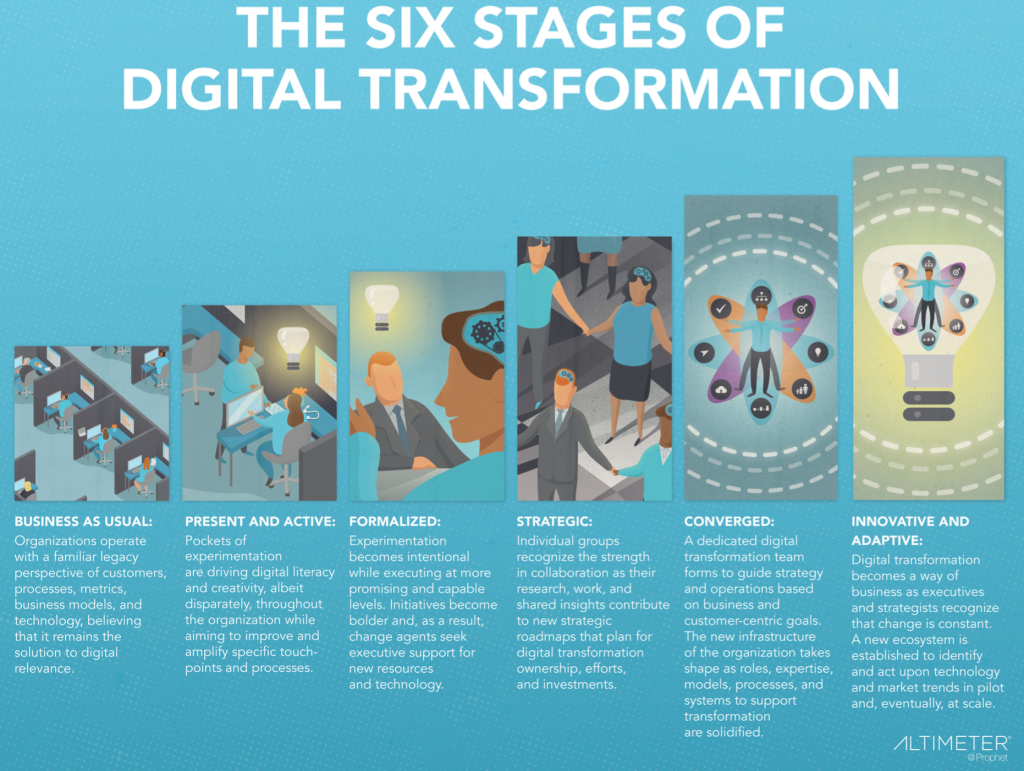
I Answer Your Questions About the State of Digital Transformation
Where are companies at in their digital transformation efforts? This was the question I set out to answer in, “The 2014 State of Digital Transformation” report. After two years, it was time to check-in on the digital transformation landscape again to learn how companies are changing, what challenges they’re facing now and what opportunities they’ve uncovered. Recently, I hosted a webcast on behalf of Altimeter and Prophet to share the findings from the latest “State of Digital Transformation” report. Over…
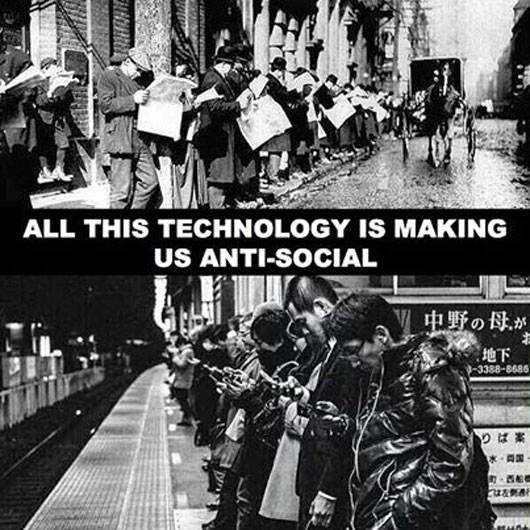
Dial M for M-Commerce: Why Now’s the Time to Swipe Right for Mobile Revenue
I’ve said it before and I’ll say it again, mobile is the first screen, not the second screen. Design and invest accordingly. Tell me if you’ve heard (or experienced) this one before… You’re in the market for a new product. You’re on your mobile and you see something in social that prompts you to go online. You hop from page to page and site to site only to become increasingly frustrated with the process because the sites are incredibly difficult…
Human-Centered CX: Uniting Stakeholders Across the Enterprise to Deliver a Relevant and Holistic Customer Experience
Customer experience is said to be a top business priority for most companies around the world. Many experts agree that investing in CX establishes a competitive advantage against companies that prioritize the bottom line. While customer experience is a noble and important catalyst for business transformation, becoming truly customer-centric requires an introspective approach. This takes stepping back to define what customer experience really means from the customer perspective, what they truly value and also what’s primed, broken or missing to…

Innovation in Customer Experience Starts with a Shift in Perspective
While traveling Europe this year, I met Silvia Hänig who was writing a story for Haufe.de about customer experience. She followed up our initial conversation with the questions below. Instead of shooting back quick answers, I took the time, maybe too much time, to thoughtfully reply as if I were going to share the exchange with everyone. And, that’s what I’m doing here. I hope it helps you… Mister Solis, why is it so difficult to create Customer Experience (CX) for…

Does your brand have an experience style guide?
X has opened the doors to new countries and experiences and for that, I am truly grateful. Recently, I had the opportunity to visit Singapore and also Hong Kong. I already want to go back. While in Hong Kong, I meet with Soon Chen Kang 江欣珍 at Campaign Magazine to discuss X, the state and future of brand and the importance of experience design in all aspects of customer/employee engagement. I wanted to share the conversation with you here… Does your brand…
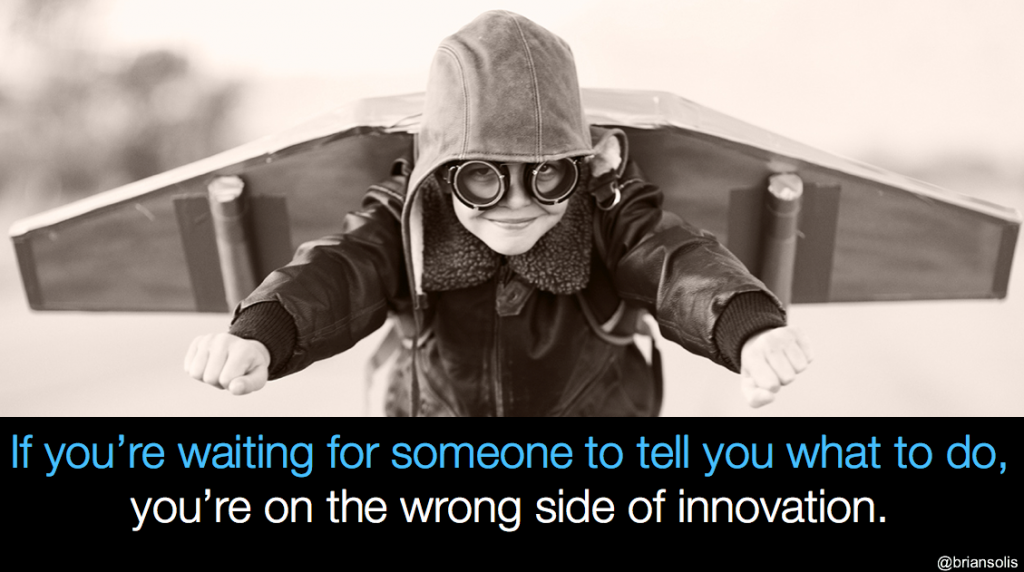
Innovation is a gift worth getting: Competing for the future starts with letting go of the past
Change happens to you or because of you.