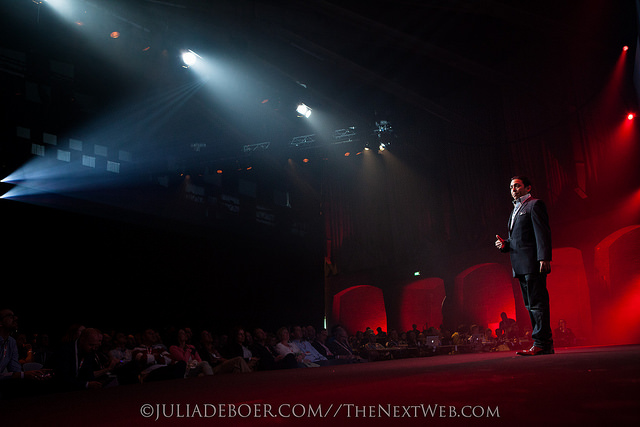
I’ve been speaking professionally for just over 10 years and I’ve learned many things along the way. One lesson though stands at the top, which is no matter how much I think I know, I must always keep learning. Like everyone and everything, I must compete for relevance now and in the future by re-thinking and re-imagining my purpose and the value I hope offer others. So, once a year, I take time to reflect on what’s important and also…

Experience as a Competitive Advantage
There’s this wonderful magazine, yes a print magazine, in France called INfluencia. While it’s also equally lovely online, I thoroughly enjoy the intricate design work that goes into each page. When INfluencia reached out to talk about X and the future of experience design, I jumped at the chance. If you speak French, it’s online here. Below is the translated version if you prefer English. INFluencia: Les start-up, l’avenir de l’expérience client ? When I read the pitch of the…
Here’s a Marketing Prediction That Serves More as a Clarion Call
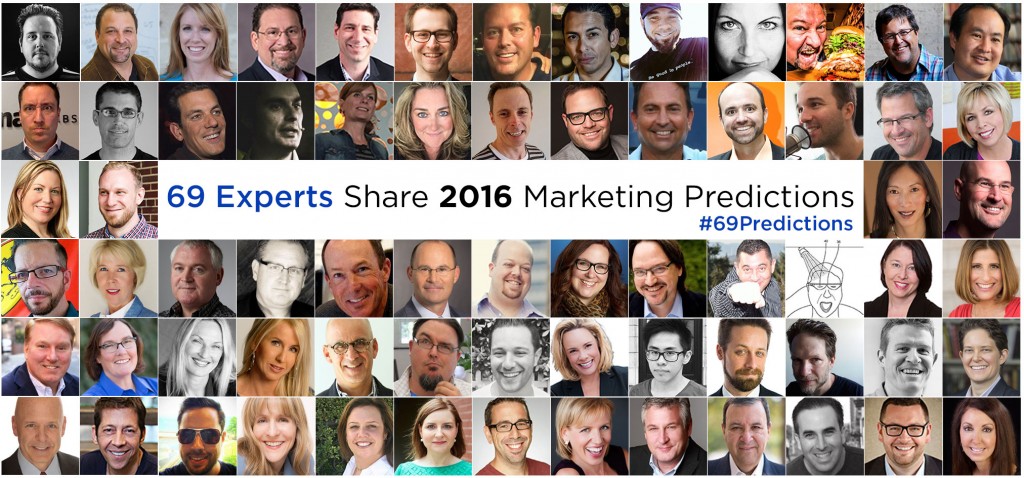
Each year, my good friend Bryan Kramer assembles an incredible group of experts across several sectors to share their marketing predictions for the next year. The diversity of forecasts and observations is really worth exploring. I’ll share mine with you here… Quite honestly, we’ll see more of the same patterns we’ve seen in previous predictions…new platforms, new ways to engage, new data sources and tools to improve accuracy, metrics, frequency and reach. My prediction is more of a clarion call…

True Customer Centricity Requires the Merging of Marketing and IT
Guest post by Robert Tas (@TasRobert), SVP and CMO of Pegasystems. You see the headlines everywhere – 2016 will be the year of customer experience; marketers need to make customer experience count; millennials demand an authentic customer experience. The bottom line is the stakes have never been higher in today’s modern, connected world. Every second of the business-to-customer interaction represents a key moment of opportunity and truth, each step carrying the potential to make or break that relationship, and…

Help! My Boss Is a Millennial (and I’m not)
Guest post by Liza Bennigson (#StartupMom), a non-millennial’s take on the millennial mindset I’m not your typical start-up employee. I’m 37 with two young kids, and I still have an iPhone 5. My idea of a wild night is staying up till 11pm to watch The Voice. My boss, the CEO and co-founder of our start-up, is 26. Constantly on the go, Jayne Ronayne can talk, type, text, walk and drink coffee at the same time. She is at some networking event or…
What Makes a Truly Great Experience?
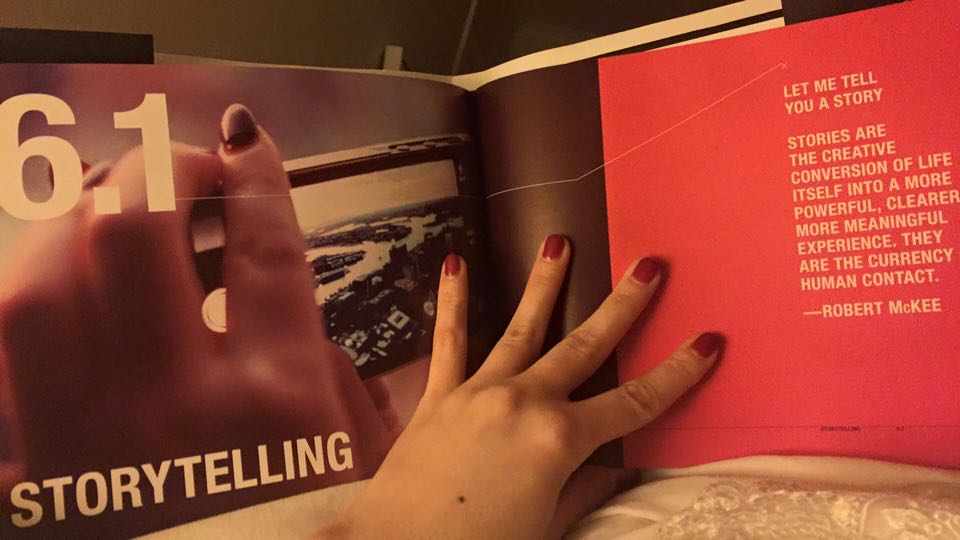
I’ve been working with IBM over the past several years on everything from the future of work to cognitive computing to social business to smarter commerce. Most recently, IBM and I have partnered on something a bit more experiential. The Commerce, Mobile and Social team at IBM selected X: The Experience When Business Meets Design as the company’s latest title for its monthly book club. As part of the club, IBM hosts a series of activities for employees and the…
Uber is Driving a New Generation of Collaborative Marketing
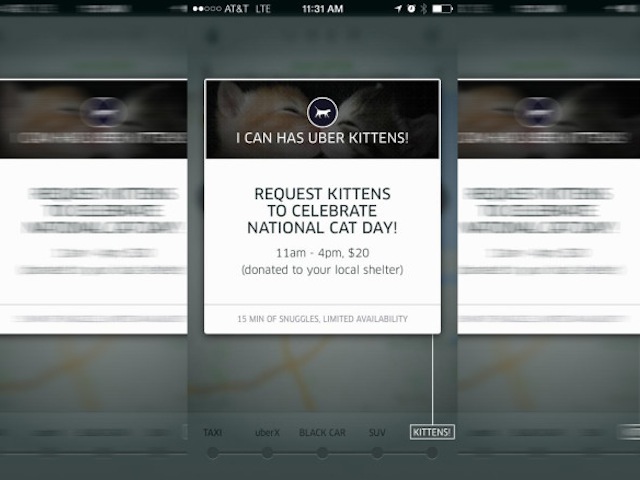
A few weeks ago, I had a very interesting conversation with Fortune’s Sarah Silbert, one that’s still resonating with me. Silbert was exploring Uber’s marketing partnerships and how they might be different than what we see from Lyft and others. Her hunch was that Uber not only amplifies “the on-demand economy—it’s also setting the pace for a new generation of brand marketing.” The story was prompted by Uber’s many partnerships with brands, specifically the promotion to launch the new BMW 7 Series. But that’s…

Disruptive Technology is Disrupting Behavior
I study disruptive technology, specifically innovative technology that gains so much momentum that it disrupts markets and ultimately businesses. In the past several years, disruptive technology has become so pervasive that I’ve had to further focus my work on studying only disruptive technologies that are impacting customer and employee behavior, expectations and values and affecting customer and employee experiences. I can hardly keep up with today let alone consider the potential disruption that looms ahead in every sector imaginable including…
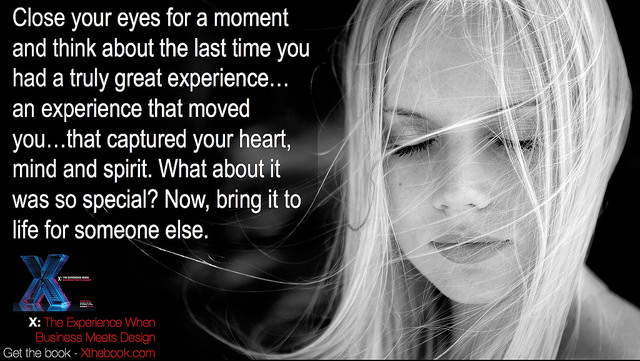
Sometimes The Best Experiences Were Meant To Be That Way
Close your eyes for a moment and think about the last time you had a truly great experience… an experience that moved you…that captured your heart, mind and spirit. What about it was so special? Now, bring it to life for someone else…and they’ll do the same. bit.ly/x-experience Experience is everything… Connect with me… Twitter | LinkedIn | Facebook | Youtube | Instagram | Pinterest ask men
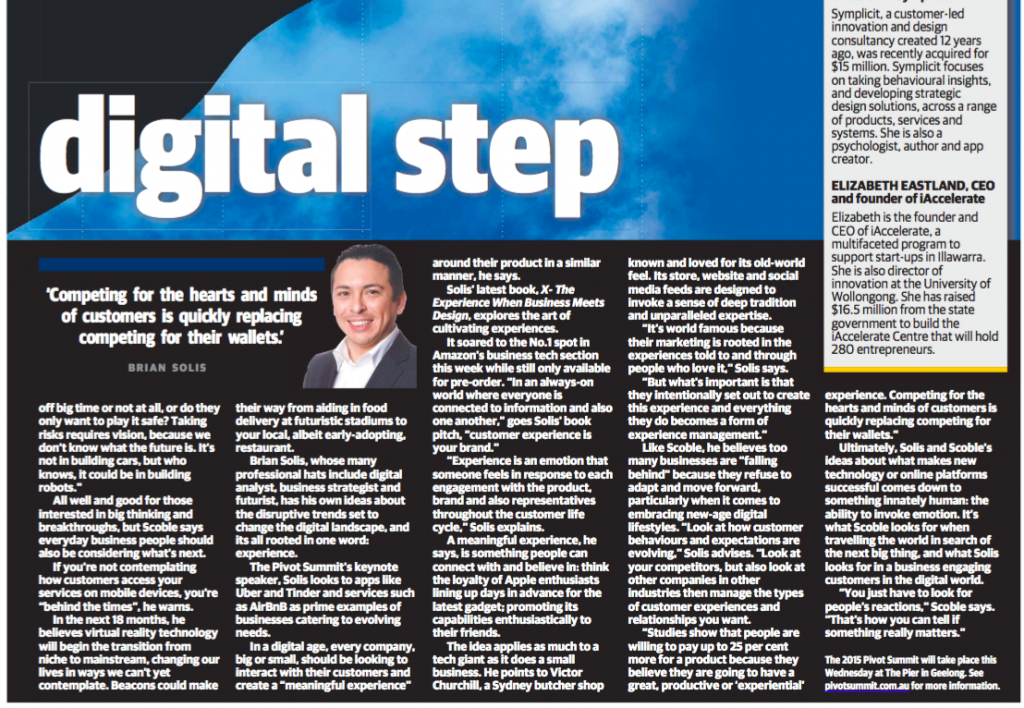
Tracking Our Next Digital Steps
It’s been a bit of a whirlwind since the launch of X. In the last two weeks, I’ve hosted conversations about the promise of experience design in London, Düsseldorf, Oslo, Sydney and Geelong. Somewhere along the Atlantic, I was asked to answer a few questions ahead of my arrival in Geelong for the Pivot Summit by Courtney Crane of the Geelong Advertiser. Thanks to the magic (or curse) of inflight wifi, I was able to make her deadline. But it…