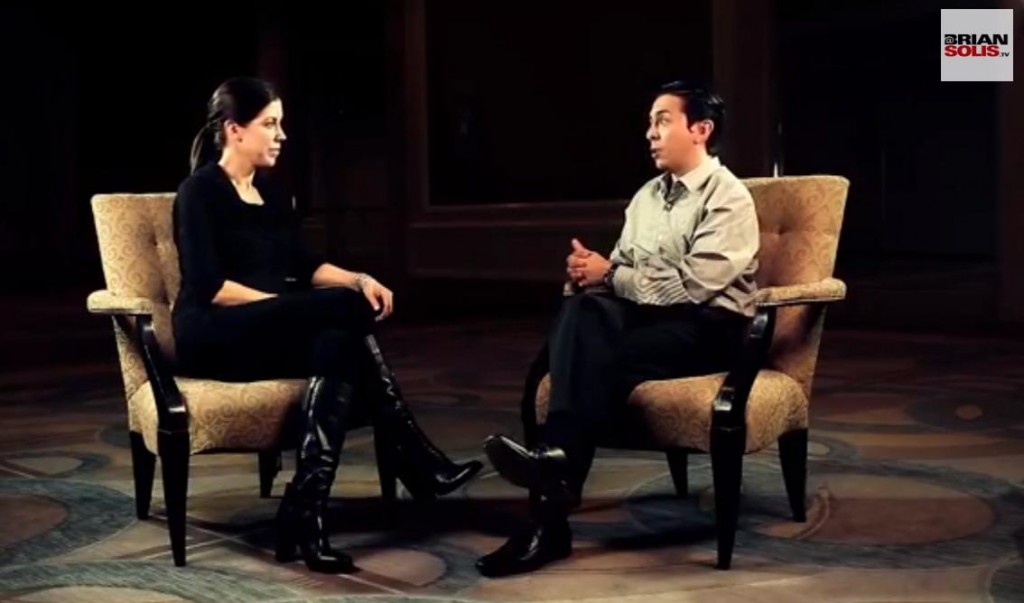
On this special episode of Revolution, we meet Porter Gale, former VP of Marketing of Virgin America, advisor to exciting startups and business ventures, avid speaker, and also the author of the best-selling book, Your Network is Your Net Worth. Porter is someone whom I personally admire and have also had the good fortune to work with over the years. With Porter, no matter what she’s working on, everything begins and ends with people. She shares her recipe for success…
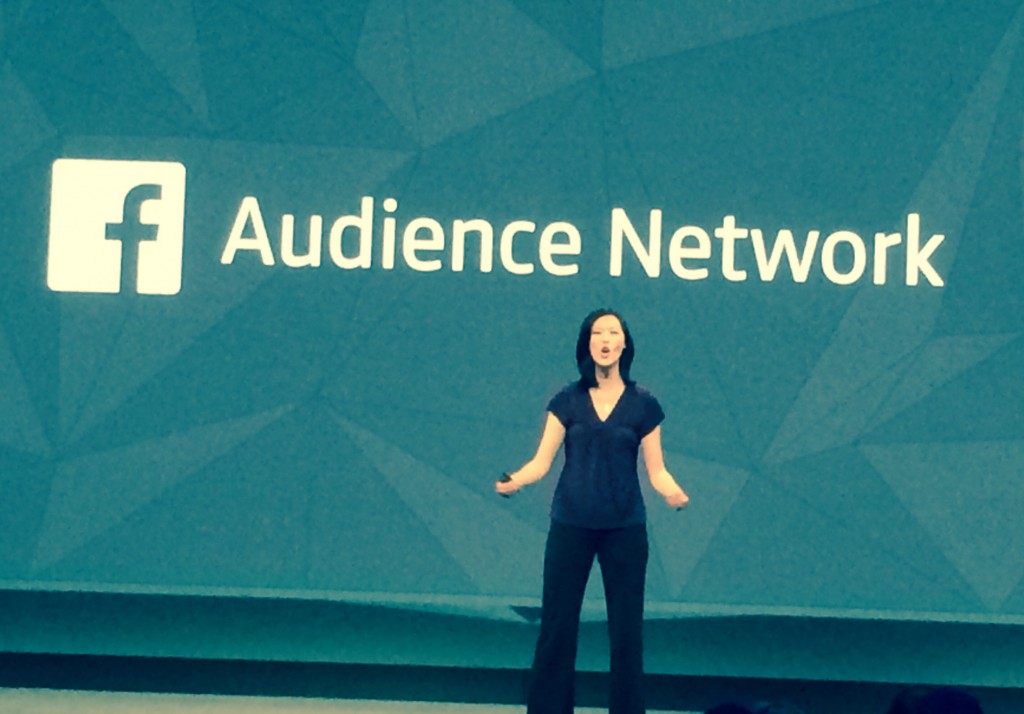
Facebook Evolves from Social Network to Social Ecosystem
Every so often, Facebook hosts its f8, a conference in San Francisco aimed at developers, media, and partners. This year, in front of an audience of 2,500+, Facebook introduced its vision for the next year and beyond. With Mark Zuckerberg kicking things off, Facebook introduced a dozen or so new products organized into three including Facebook’s update to Login, which gives people more control over the information they share with apps, Anonymous login, which offers a way for people to…
Stop Talking About Technology and Start Designing Experiences
As Joe Pine and Jim Gilmore wrote in the Experience Economy: Work Is Theater & Every Business a Stage, the future of business is less about products and more about creating experiences. That’s right. You’re no longer in the product business. Products are a by-product of experiences you set out to create. Products are also social objects that spark desirable relationships between you and customers and also among customers. The future of business is experiences. One year after launching What’s…

Curiosity Didn’t Kill the Cat, It Unleashed a Lion: Cultivating Tomorrow’s Leaders Today
Guest post by social impact journalist and filmmaker Melissa Jun Rowley (@MelissaRowley), creator of the upcoming series “Magic Makers.” Earlier this week, I was talking with a friend of mine who sold a fashion tech company in the early 2000s — before social media spawned copycat startups left and right, before TechCrunch made rockstars out of hot, young founders, and before corporations were seeking new ways to engage customers as forever faithful, digital brand ambassadors. “There are times when I…
Becoming the Future
I’m pretty passionate about changing how we teach in order to create a bridge between analog and digital generations. I recently contributed a short chapter to The Little Book of Inspiration and I wanted to share it with you here. In an age where knowledge is more accessible than ever, how do we create engaged workplace learners that are inspired to go out and discover the answers themselves? Reed, in conjunction with Learning Technologies and the Learning & Skills Group,…

Beaconizing the Brand Experience
Guest post by Gib Bassett (@gibbassett), Global Program Director, Consumer Goods, Teradata There’s no question that the shopping journey has been disrupted by consumer behavior in online, social media and mobile channels. What’s less certain, especially within the branded consumer products industry, is the best way to serve this now commonplace “connected consumer.” The pursuit of this answer, and the quest to learn more about connected consumers, is commonly referred to as “digital transformation.” Consumer products manufacturers in food, beverage,…
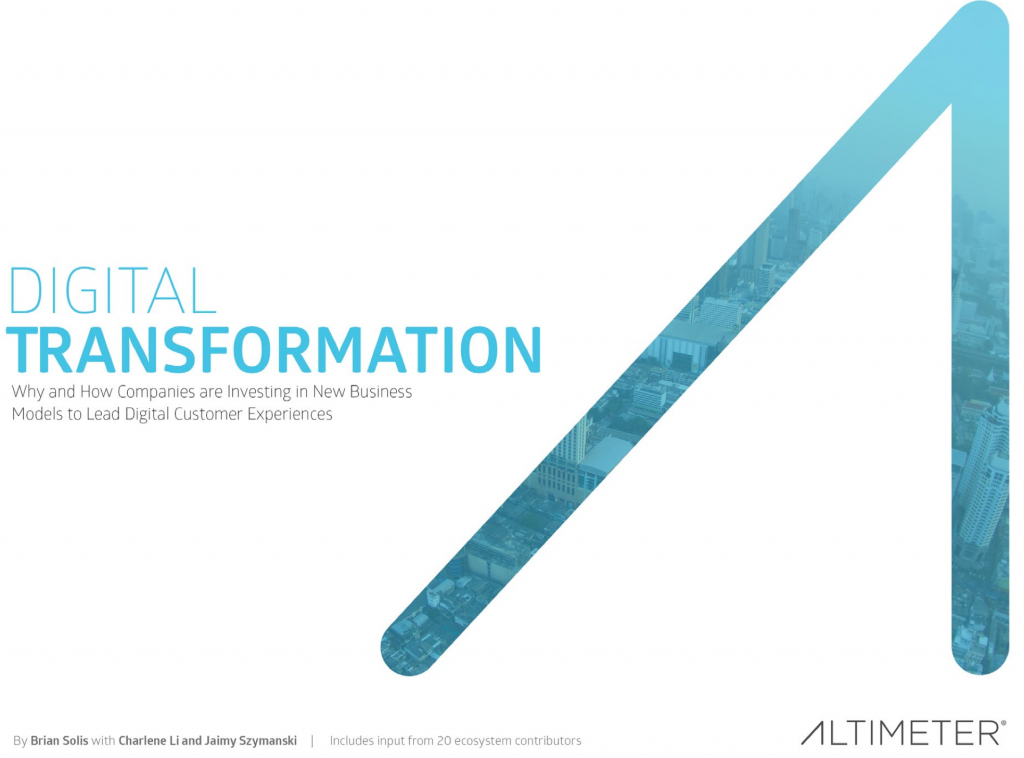
Report: Digital Transformation and the New Customer Experience
We’re under attack! Social, mobile, real-time, cloud, big data…it’s coming at us all at once! Rather than miss out, many brands are jumping from trend to trend as a way of staying relevant in an increasingly digital market. Facebook, Twitter, Youtube, Foursquare, Instagram, Pinterest…we’re covered. We have and had a strategy for a while now. Mobile. Yep, we’ve got an app for that…plus we’ve got adaptive and responsive web design that makes old sites new again! Snapchat…our brilliant strategy vanishes…

The Millennial’s Guide To Surviving Corporate America
Guest post by Michael Price (@michaelpriceles), millennial and author of “What Next? the Millennial’s Guide to Surviving and Thriving in the Real World” A new generation has emerged and they now make up 36% of the U.S. workforce (source: U.S. Bureau of Labor and Statistics). Many have called them lazy, entitled, and unprepared to take on the challenges of the real world. They can often be seen walking into a hiring manager’s office with a gold star on their shirt,…
The Future of Learning is Stuck in the Past: Why education is less about technology and more about behavior
Here’s a story I haven’t shared much, but I’m doing so now because of an opportunity I recently had to present at the Learning Technology conference in London. Over the last two years, I’ve personally studied learning technology and also learning behaviors to relearn how to engage Generation C through analog and digital media. While writing WTF, I studied the learning patterns and preferences among Generation C and how they differed from less connected students. What I learned reshaped how…
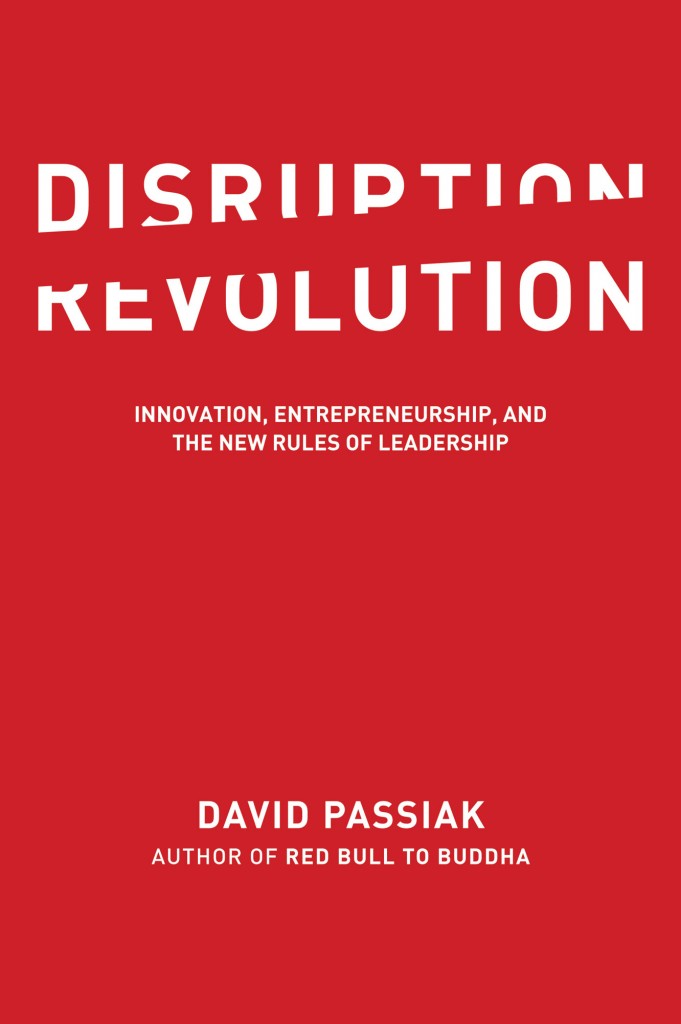
Disrupt or Be Disrupted: Welcome To The Disruption Revolution
Sometime toward the end of last year, I spent some time with David Passiak (@Passiak), author of Red Bull to Buddha: Innovation and the Search for Wisdom. At the time, he was leading an ambitious project to connect over 20 innovators in the tech startup world and share their perspectives in one, free, book…Disruption Revolution: Innovation, entrepreneurship and the new rules of leadership. The book takes a case study, thematic approach that moves beyond buzzwords and industry jargon [thank goodness]…