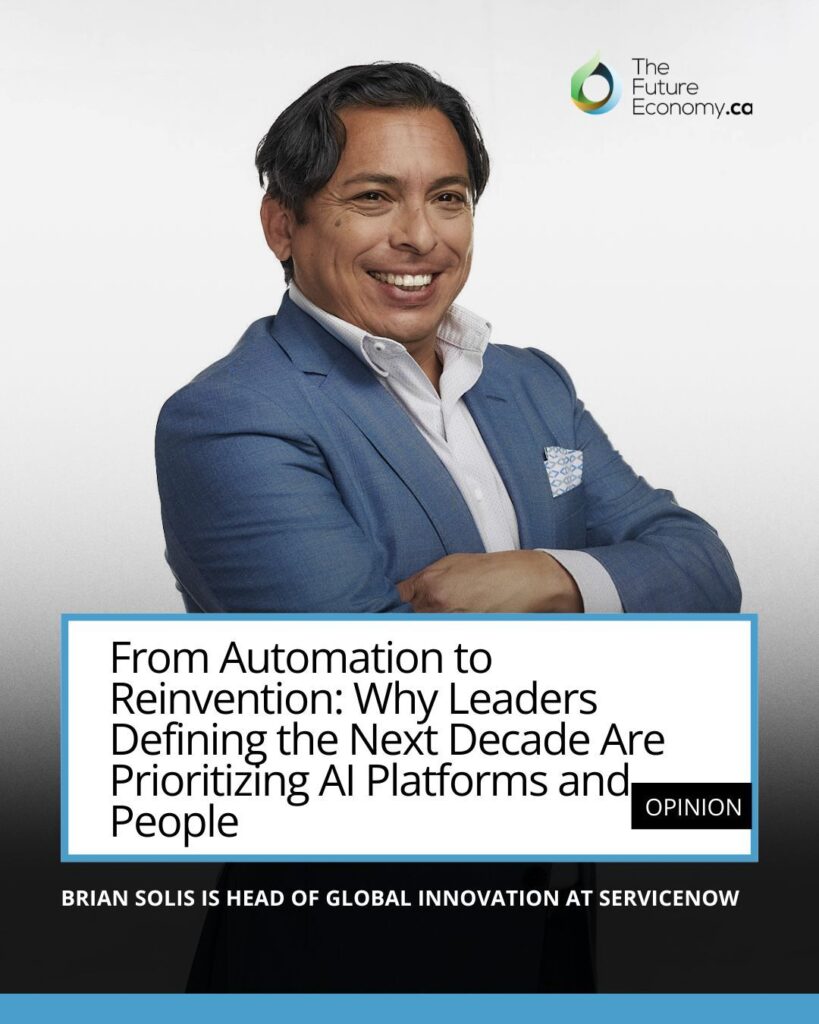
Are your AI investments actually changing how your business operates, or are you just funding the “productivity trap”? In this insightful new article, Brian Solis (Head of Global Innovation at ServiceNow) addresses a massive elephant in the enterprise room: the transformation gap. While companies are investing billions into individual copilots, assistants, and models, very few leaders can honestly say their foundational operating models have evolved. Instead, many are accidentally creating a chaotic web of “agent sprawl”, disconnected, siloed AI tools…

Brian Solis Recognized for Coining the Generation-C Psychographic Profile
In 2012, during his time as partner and principal analyst at Altimeter, Brian Solis coined Generation-C (Gen-C), a psychographic profile of ‘connected’ customers who align by digital behaviors vs. age groups. His books, research, and keynote presentations helped leaders understand how to reimagine brand, marketing, customer experiences, employee experiences, and product innovation around this incredibly influential generation. His work was recently revisited in the article, “Gen C: Understanding the Connected Generation and Their Digital Impact.” Generation-C is more important today…

The Future of Work Starts by Re-Architecting How Work Flows with Humans and AI Agents
The companies that win with AI will build a better way of working… In 2026, the next competitive advantage won’t come from adding more AI. It will come from architecting work. Because once agentic AI becomes capable, proven, and scalable, it stops being “a tool” you deploy and starts behaving like a workforce you manage. And that shift quietly breaks the operating assumptions most companies still run on. You can see the direction in two opposing moves that point to…

AI cannot build intuition, understanding, or empathy
AI cannot build intuition. AI cannot build understanding. AI cannot build empathy. You have to know your customer. Once you know them, you begin to care about them. That’s when you shift from looking in the rearview mirror and reacting to their actions to activating empathy, anticipating their needs, and innovating toward more meaningful and desirable products and services. 💡😍
Authority Magazine Posts In-Depth Interview with Brian Solis Author of Mindshift
This is an excerpt from Authority Magazine, one of the most in-depth interviews Brian Solis has ever conducted. In the interview, Cynthia Corsetti and Brian explored how leaders must rethink their approach to innovation, disruption, and transformation in an era where AI, automation, and customer expectations are evolving at breakneck speed. They also crack the cover to Brian’s new book Mindshift: Transform Leadership, Drive Innovation, and Reshape the Future. Here are some key takeaways: 🔹 AI isn’t just a tool—it’s…
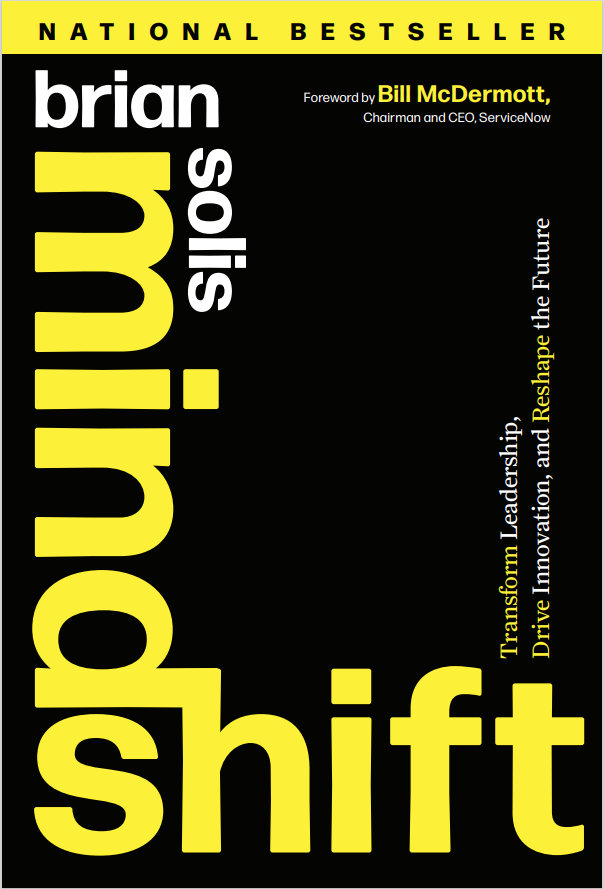
Mindshift is a USA Today Bestseller—Thank You!
I can’t even believe I’m writing this. Mindshift has officially made the USA Today bestseller list! This milestone is beyond anything I could have imagined, and it’s all thanks to your incredible support. After five years since my last book, I felt both excited and uncertain about releasing Mindshift. Quite honestly, in a world that’s changed so much since the release of Lifescale in 2019, I wondered if anyone would remember me or be interested in anything I had to…
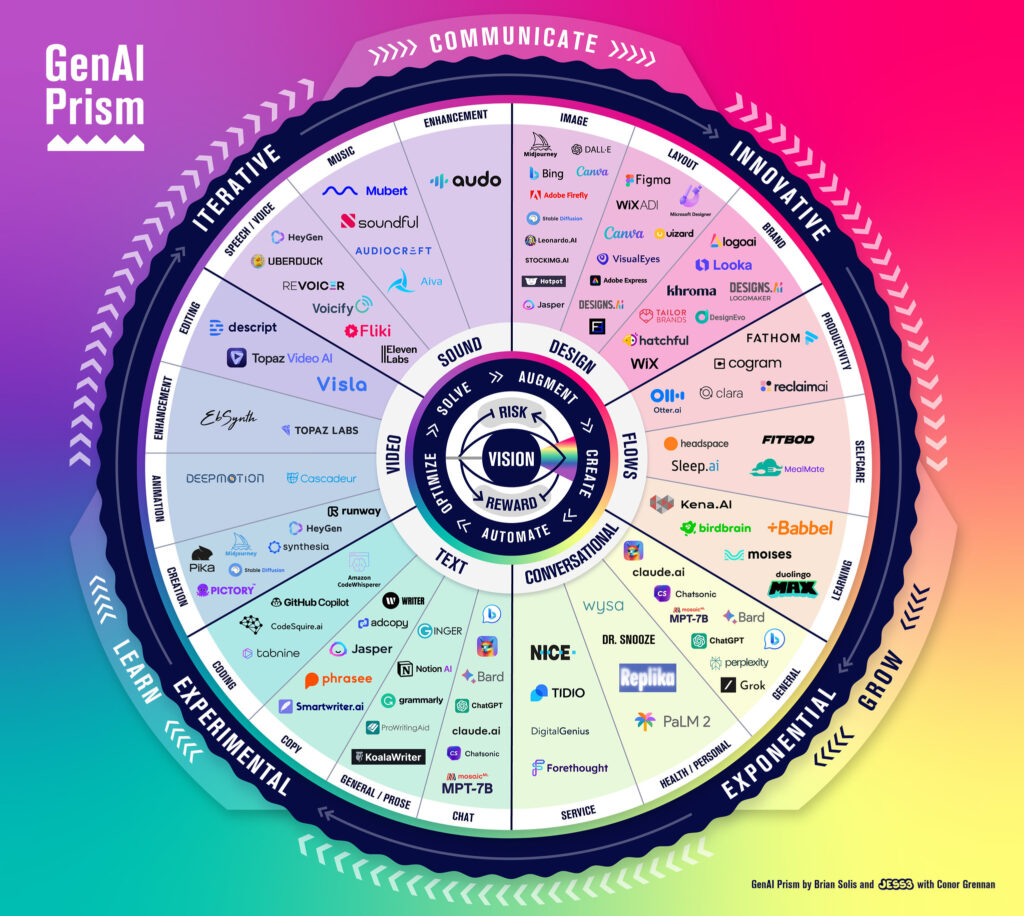
Introducing the GenAI Prism Infographic: A Framework for Collaborating with Generative AI
NEWS: Introducing the The GenAI Prism, the single most comprehensive representation of the generative AI universe. JESS3 design studio and Brian Solis, digital futurist and best-selling author, announced the release of the GenAI Prism v1.0 infographic along with Conor Grennan, leading generative AI expert and Dean of Students/Head of GenerativeAI at NYU Stern School of Business. Jeremiah Owyang, Venture Capital Investor at Blitzscaling Ventures, and my friend and former colleague, shared an observation that there are more than 10,000 generative…

TechReport: The 15 Must-Follow Tech Visionaries
TechReport just named Brian Solis as one of the 15 ‘must-follow’ tech visionaries. Social media platforms like LinkedIn and Twitter / X have become more than just places to stay in touch with your network. They’re now powerful marketing tools, with many companies leveraging their capabilities and spending billions of dollars on them. Given this, influencers can have an enormous impact on their communities. In the tech sector, particularly in the B2B space, influencers include founders, futurists, and CTOs with real…
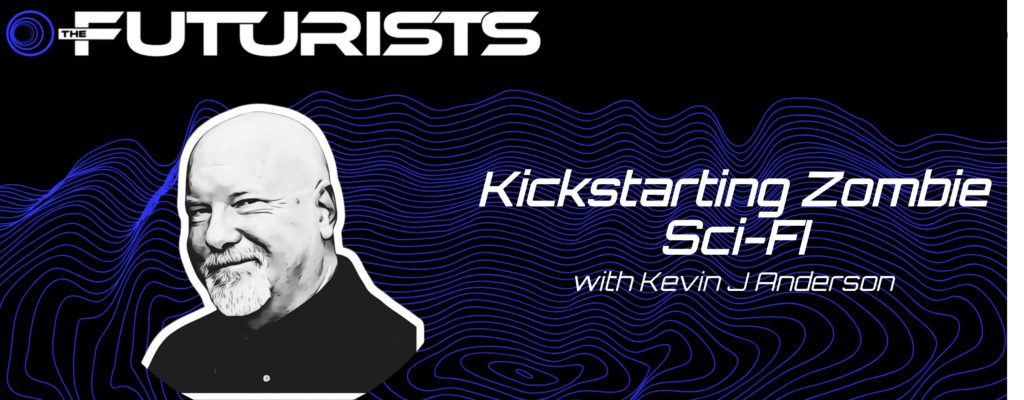
The Futurists: Kickstarting Zombie Sci-Fi
We’re big fans of Kevin J Anderson. What an amazing opportunity to spend time with him. I mean, he’s written spin-off novels for Star Wars, StarCraft, Titan A.E. and The X-Files, and with Brian Herbert, they’ve co-authored the Dune prequel series. On this weeks episode, Brett King and I are joined, one again, by New York Times Bestselling Author, Kevin J Anderson. Kevin takes us on a journey as to how technology has dramatically changed his connection with his readers…
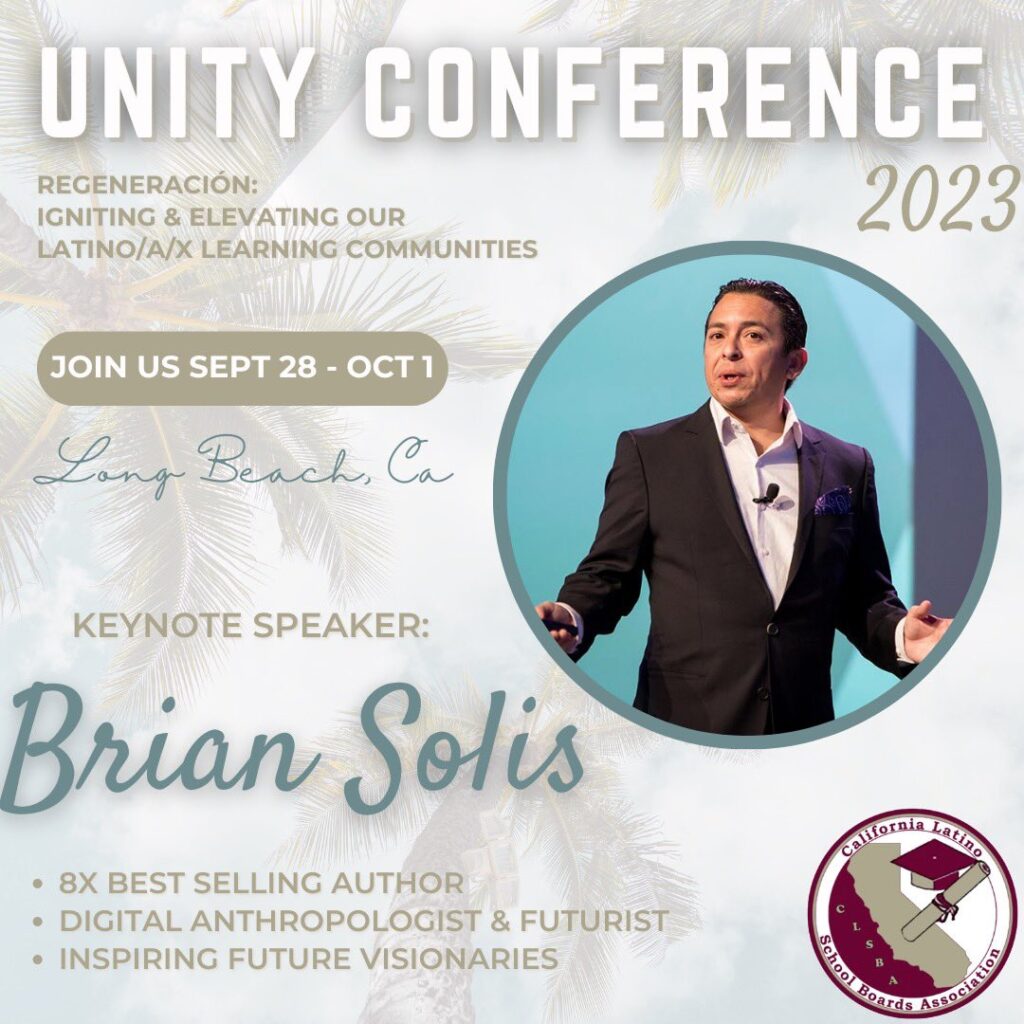
Brian Solis to Keynote the Unity Conference to Explore Innovation in Education and Learning
Brian Solis will keynote the Unity Conference in September 2023. He’ll explore how disruptive technologies such as Virtual Worlds, Generative AI, and Spatial Computing, are changing the way we teach and learn. He’ll also explore the evolution of social media’s impact on our brains aka “TikTok Brain.” Register here.