
Tech Decisions reported on a hidden message in the source code of the White House’s website asks for IT workers to apply to the U.S. Digital Service. One of the many areas the administration is looking to staff with skilled workers is apparently the IT department. That’s at least according to a message hidden in the HTML code on www.whitehouse.gov. Joe Biden’s IT staff was quick to transition the website into their control, including administration messaging and policies and removing unwanted…

Innovation And New Directions: Two Global Salesforce Experts Share Their Thoughts On The Future
via SIMPLUS, am Infosys company It’s no secret that since March, consumers are gravitating to online. They shop online, they communicate with brands online, and according to the latest Salesforce State of Marketing report,84% of customers say the experience a company provides is just as important as their product or service. To help companies deliver on that expected experience and meet customer needs, we’re sharing insights from two Salesforce experts and leaders. The first is Global Innovation Evangelist and world-renowned…
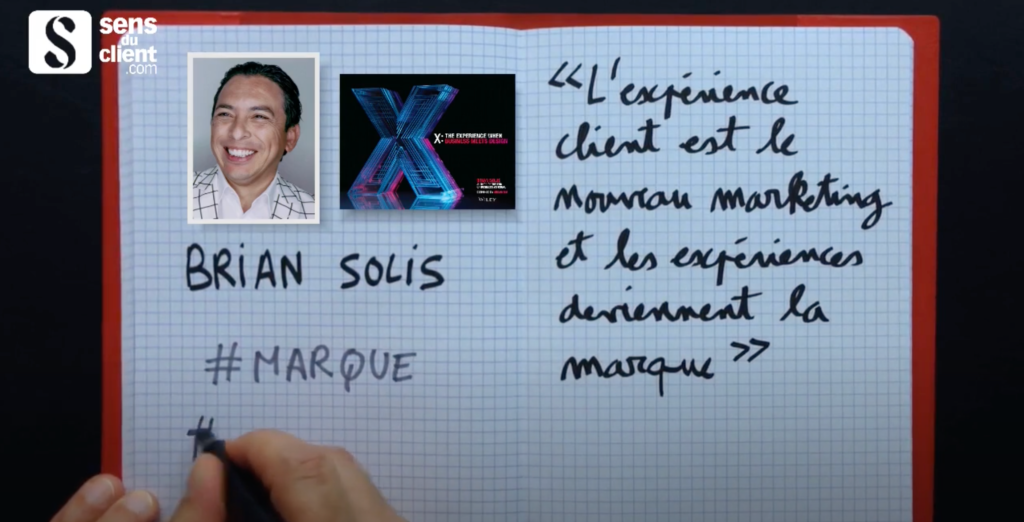
10 Quotes to Enrich Your Customer Experience
Mercí Thierry Spencer Transcript in French (via Google Translate): rien de tel qu’une bonne situation pour s’inspirer et partager des convictions autour de soi je vous propose une sélection de dix citations pour enrichir votre expérience client les gens ne se souviennent pas toujours de ce que vous dites ni même de ce que vous faites mais ils se souviennent toujours de ce que vous leur avez fait ressentir my angel ou écrivaine poétesse actrice et militante américaine ne pensais…
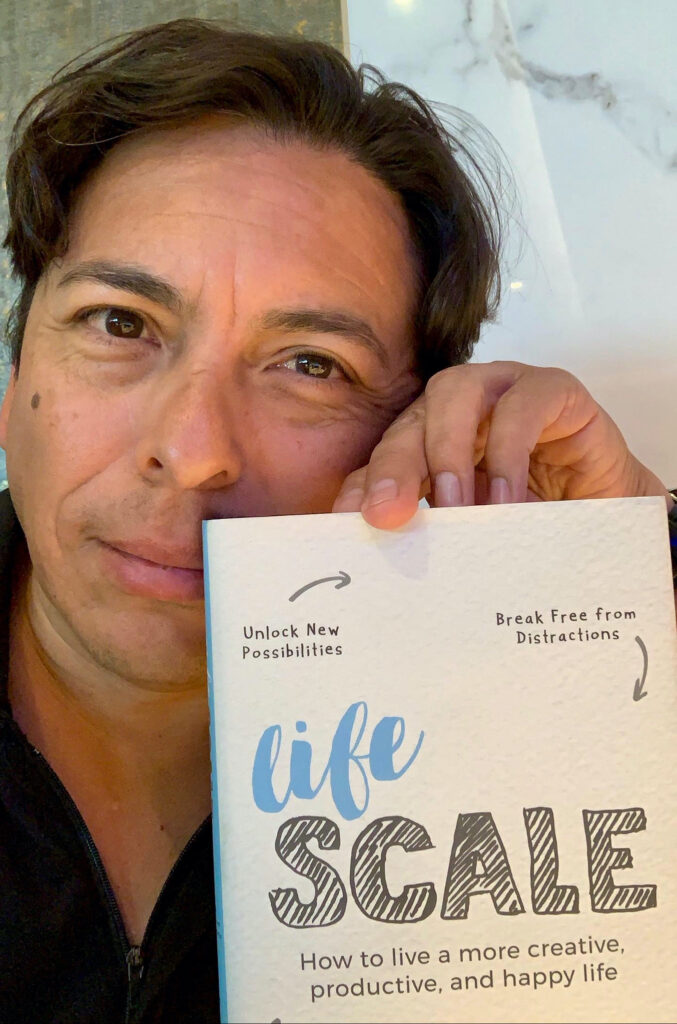
Rewired for Distractions
Why do we reach for our phone continually, and why do we buy online the things we do? Brian Solis is a digital anthropologist and he joined Meeting Minds to discuss what it means to be “rewired for distractions”. The interview is also available on Apple Podcasts.

Making Finances Personal Again: A Conversation with Personal Capital About Digital Personalization and Human Engagement
Two-thirds of people are losing sleep every night over financial anxiety. Eric Weiss, SVP Growth and Performance Marketing, and the team at Personal Capital, are determined to see that statistic change. Their approach? Making finance personal again. I spent time with Weiss recently to discuss Personal Capital’s human-centered approach to financial tech and services. (More links below) For me, it’s personal… As a professional who’s always too busy being busy; as a husband and father trying to be great on…
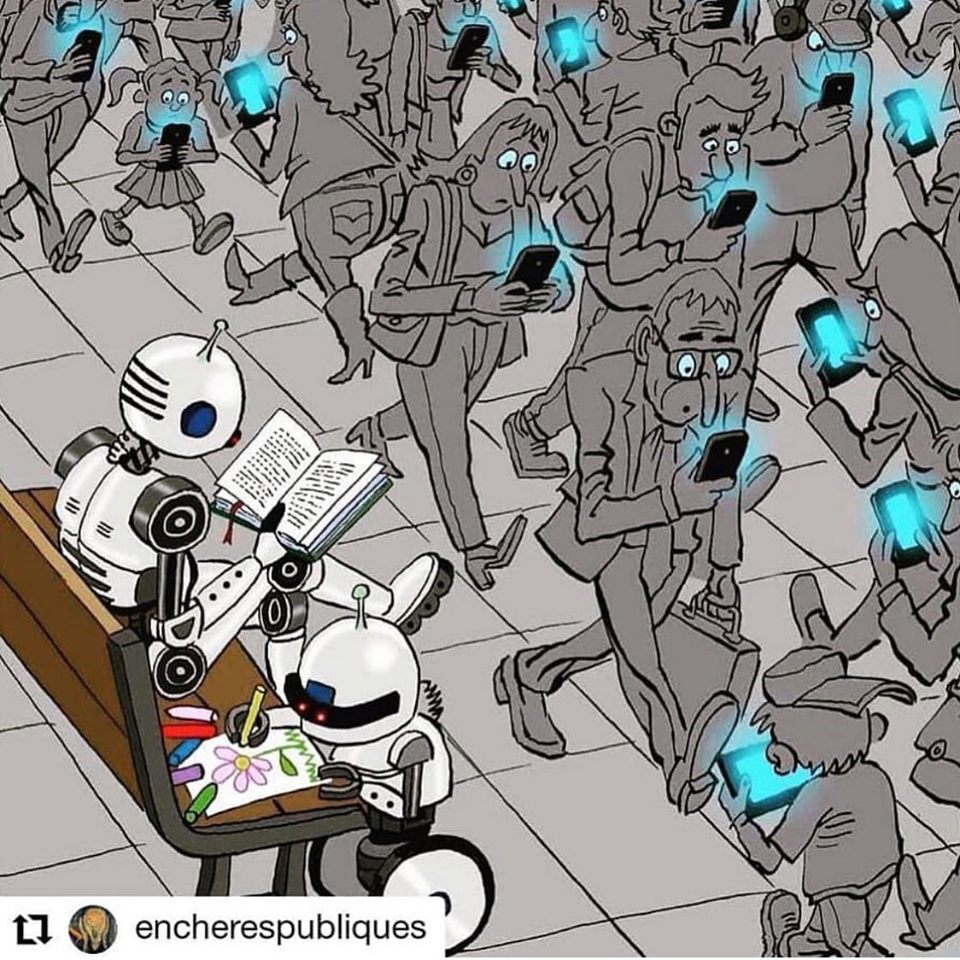
In the Future of Work, Technology is Both a Problem and Solution
As a digital analyst and anthropologist, I’ve studied over the last 20 years, the evolution of disruptive technology and its effect on business philosophies and models. At the same time, I’ve also studied disruptive technology’s impact on society and human behavior. If I had to share just one thing I’ve learned along the way, it’s that markets are splintering into two notable camps: 1) traditional and 2) hyper-connected aka Generation-C (connected). While this may at first glance seem either obvious…
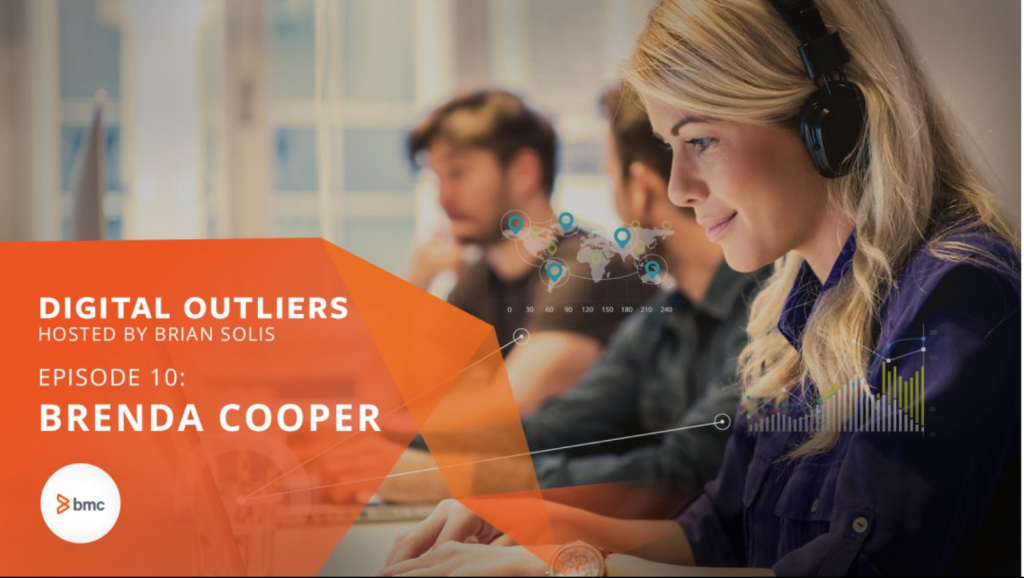
The Nexus of Digital, IT and Science Fiction in the Future of Work
I have to tell you, I am absolutely loving the Digital Outliers podcast series and I hope you are too. In this episode, I get to talk with Brenda Cooper who among many things, is the CIO for the city of Kirkland, Washington. She is also a futurist and the author of nine science fiction and fantasy books. Her most recent novels are POST (Espec Books, 2016) and Spear of Light (Pyr, 2016). Her other works include Edge of Dark (Pyr, 2015), The Creative Fire(Pyr, 2012), and The…
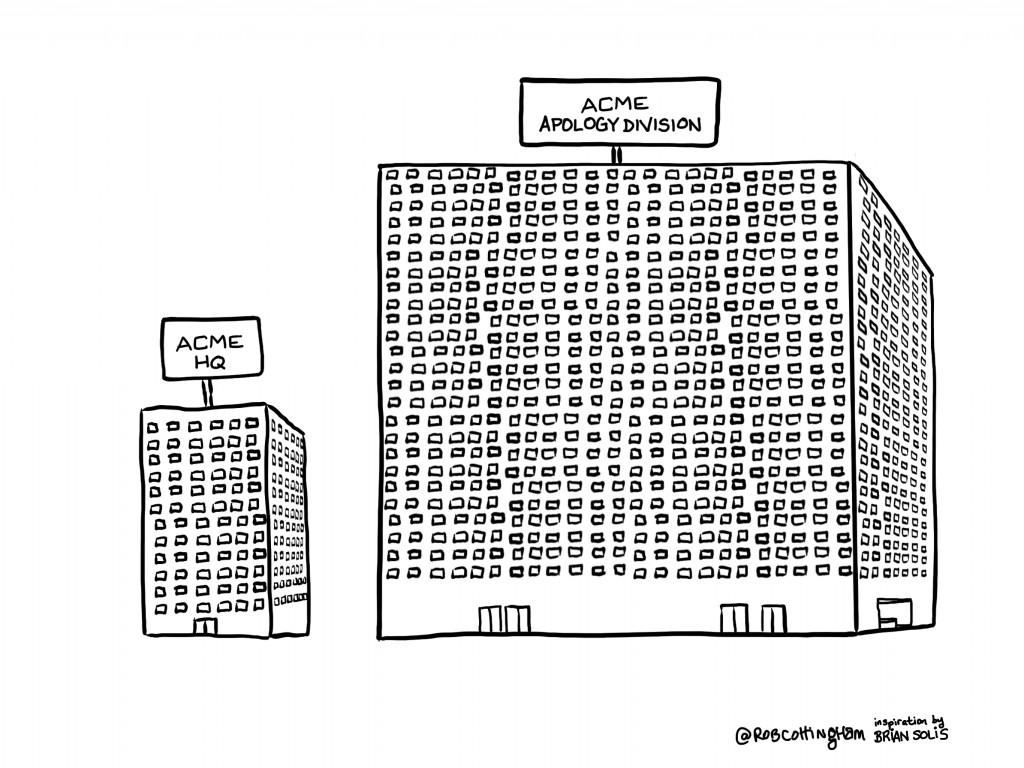
Customer Experience is the New Marketing and Customer Experiences are the New Brand
My friends Rob Cottingham, Gerard Francis Corbett and I have had some fun lately. One way to gain perspective on our modern reality is to do so through humor. So when a several big brands in the beverage, transportation, banking and airline industries were suddenly in the global media hot seat, we had a laugh and productive conversations behind the scenes. As a result, we set out to build upon these unfortunate opportunities with a couple of pithy but poignant cartoons hoping to spark a bigger dialogue….
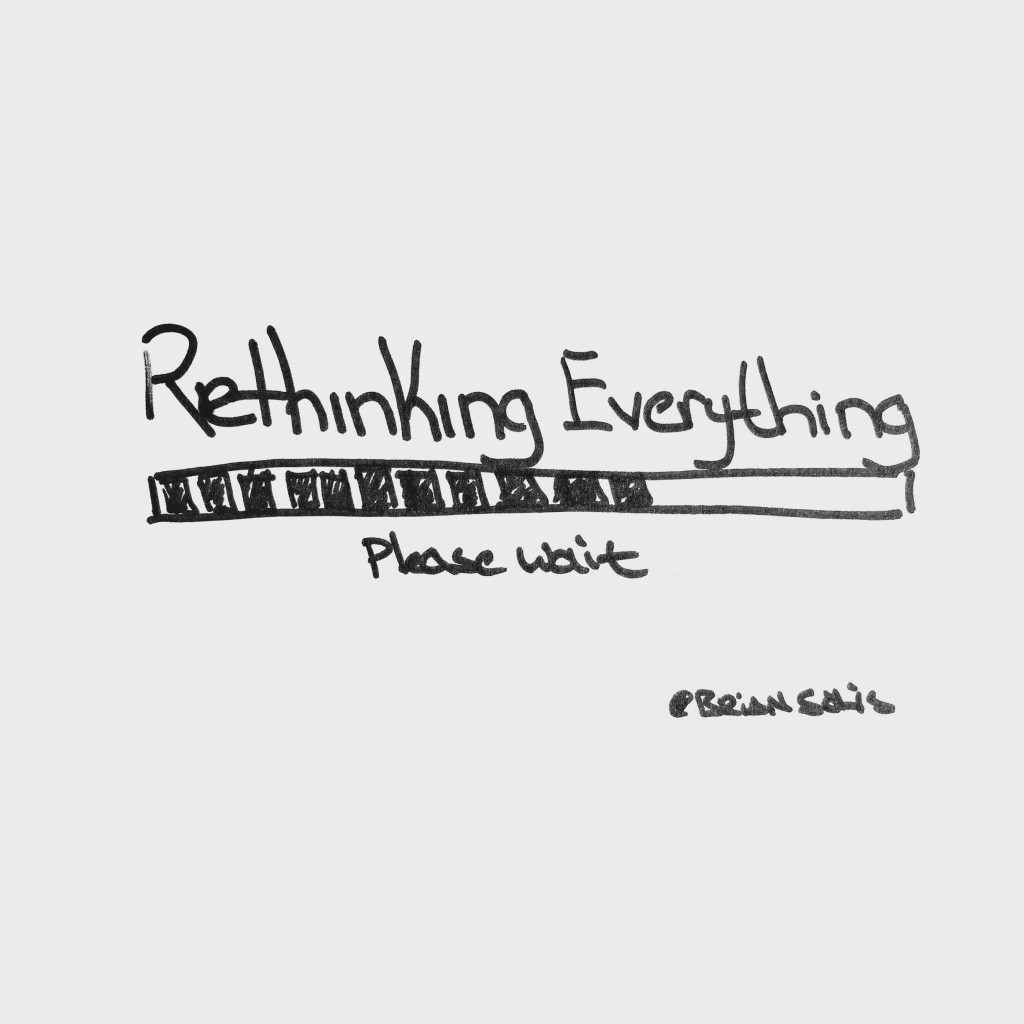
Completely Rethinking Marketing Is Essential in Today’s Customer-Centric World
Guest post by Fred Studer (@fredstuder), Chief Marketing Officer at NetSuite As my friend Brian Solis says, “This is a time to question everything.” Let’s start with marketing, because it’s overdue for a revolution. Today’s customers are in the driver’s seat – it’s a buyer’s market and the buyers are better informed than ever. Prior to making a purchase today, customers research and compare products assiduously while tapping into both the opinions of people they know directly and reviews from…
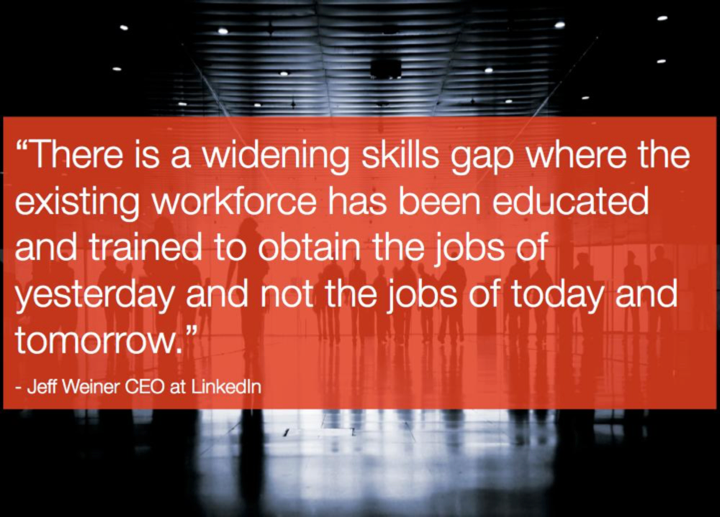
The Expertise Gap is Real and Employees Need Your Attention Now
The biggest challenge is not in the understanding or expertise associated with new technology. We can learn that. The biggest problem is our inability to recognize that the experience we have today is not the experience we need going forward. A notable separation exists between the expertise people have or are learning and the jobs companies need to hire for in an increasingly digital economy. This means that current employees possess expertise to perform jobs that are losing prominence in…