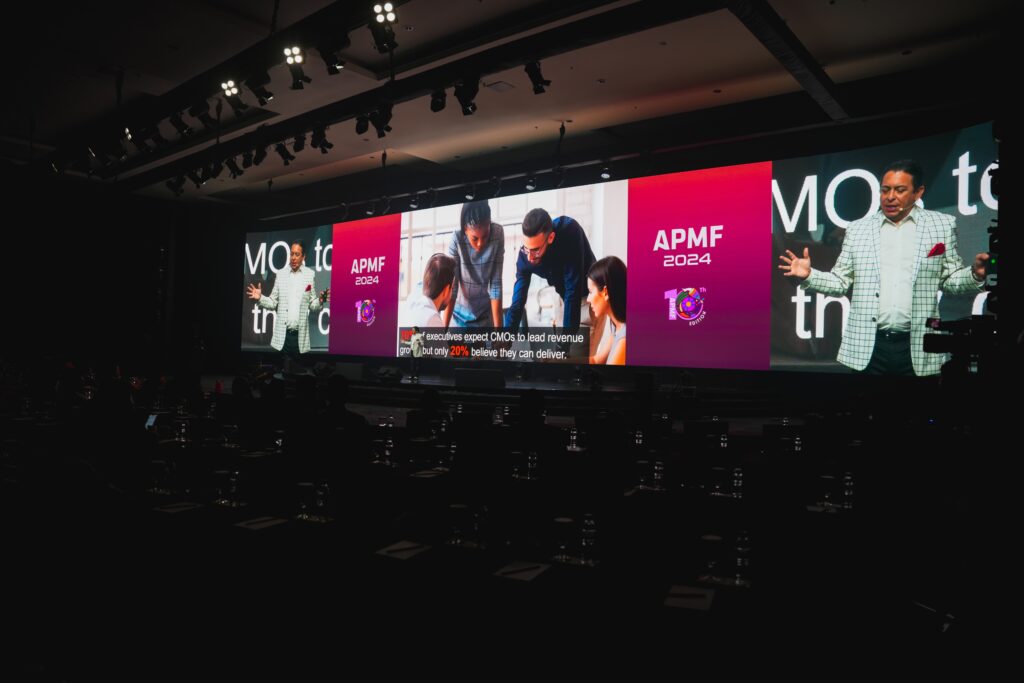
Earlier this year, I was invited to keynote the Asia Pacific Media Forum (APMF) in Bali. What a privilege it was not only to keynote such a prestigious event, but also visit the magical country of Bali…for the first time! (video is included at the end) The team shared pictures and video from the event, and in the spirit of sharing, I’d like to also share it with you. Make.Your.Mark. In a world reshaped by digital disruption and shifting consumer…
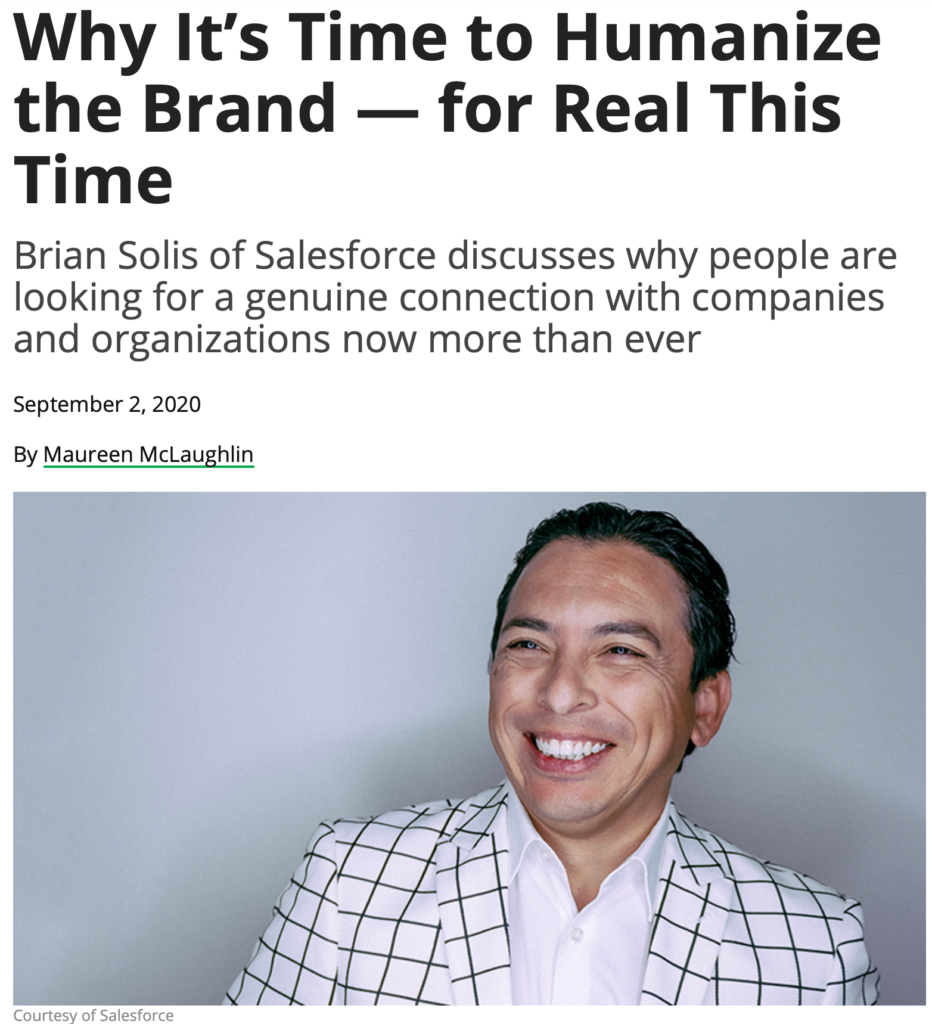
It’s Time to Humanize Your Brand
The Association of National Advertisers (ANA) featured an interview with Brian Solis, global innovation evangelist at Salesforce. We wanted to share the interview with you here… Brian Solis, global innovation evangelist at Salesforce, doesn’t mince words when it comes to how the coronavirus will change the way brands and organizations present themselves to the public. “If this pandemic has shown us anything, it’s that it’s time to add several new pillars to the brand that allow it to become much…
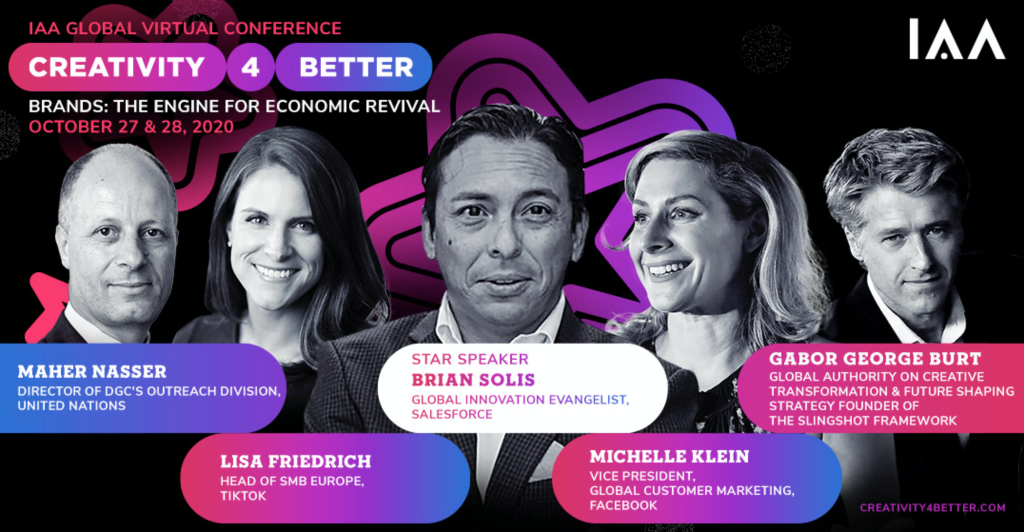
Keynote: Empathy, Creativity and Imagination are Critical, Soft Skillsets Needed in the Future of Advertising and Marketing
Brian Solis keynoted “Creativity4Better” for the International Advertising Association. His topic focused on the importance of new creativity and how to reimagine the future of brands as a result of pandemic disruption. His session seemed to be well received. “On behalf of IAA, I would like to express our heartfelt thanks for your presence and involvement. The content was just amazing. You were inspiring and relevant. All the comments were fabulous. The audience was thrilled by your presentation, and the…
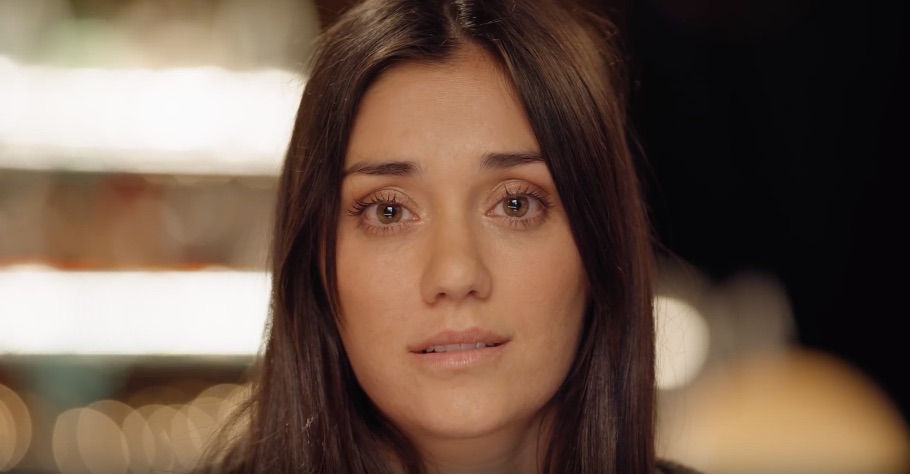
Brian Solis Adds to Digital Marketing Lexicon with Term Fast Advertising
The Travel Vertical website, subtitled “Weekly stories curated exclusively for digital tourism marketers,” credits Solis with coining the up-to-the-minute term “Fast Advertising.” In the article “Two Digital Trends to Watch: Fast Advertising and Cheap Video,” Laurie Jo Miller Farr compares Peloton’s holiday ad and Aviation Gin’s creative, rapid response. She writes, “Speed matters; the faster the better. If you’ve followed the marketing fiasco over “The Gift That Gives Back,” Peloton bike’s holiday commercial, you’ll appreciate what Brian Solis, digital analyst,…
The Future of Fast Advertising is Born as Aviation Gin Saves the Peloton Wife in Clever Sequel
Bravo Ryan Reynolds! Bravo. A brilliant form of marketing is playing out right now from the likes of Ryan Reynolds and Aviation Gin on social media. It represents the next trend in advertising, or what I call “fast advertising.” If you’ve been following the Peloton marketing fiasco, then you will appreciate the ambitious (and/or audacious) marketing coup achieved by Aviation Gin’s new clever holiday commercial. Following Peloton’s release of its latest ad, “The Gift that Gives Back,” outrage instantly erupted over what consumers…
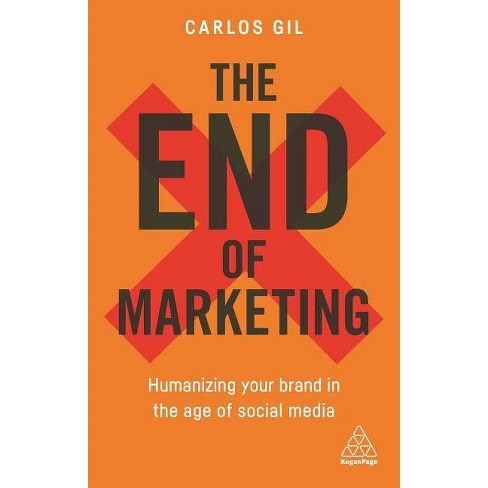
The End of Traditional Marketing and the Beginning of What’s Next
Congratulations to Carlos Gil on the release of his new book, “The End of Marketing: Humanizing your brand in the age of social media.” Carlos is a long-time friend and I was genuinely appreciative when he asked me to write the foreword for his first book. All I asked was that I could share the foreword with you upon the book’s release. I hope it helps you! This is the end of what was and the beginning of what’s next…

Bullying, Hate, Conspiracies, Fake News, Negatively Impacts User Experiences and Advertising Value
“Social media has made too many of us comfortable with disrespecting people and not getting punched in the mouth for it.” – Ice T In real life… Free speech is not free from consequence. Spreading misinformation whether you aim to sow discord or because you actually believe it, is not free from consequence. Exchanging conflict for views, popularity and financial gain is not free from consequence. Inflicting emotional, psychological or emotional pain and aguish on another human being for any…

The technology behind psychographic marketing can be used for good, evil or…advertising
This year, I was given the opportunity to present in Dubai at OMD Predicts, an event that explores the future of media, consumerism and brand. To be honest, it was my first time stepping out of the Dubai airport. In the past, Dubai was only a stop over en route to other countries. Needless to say, I was excited. Following my presentation, I met with Austyn Allison from Campaign Middle East in the lobby of the Westin Dubai Mina Seyahi…
Tune in with Twitter TV
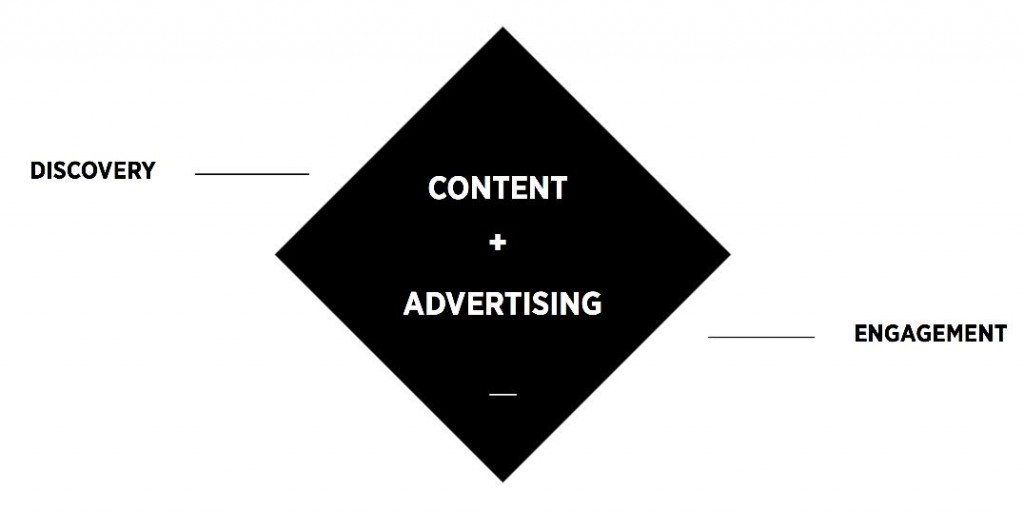
Have you ever watched TV while using a laptop, smart phone, or tablet? Wait, why am I asking. Of course you have. That’s what we all do now right? So I guess the real question to ask is how often do you use Twitter vs. Facebook while watching TV? In many ways, Twitter is becoming a bona fide second screen experience while watching television. And in many ways, TV may also serve as the second screen to those engrossed in…
The GM Facebook Advertising Saga Plays Out Like an Episode of Mad Men
Shortly before Facebook’s turbulent IP “uh oh”, GM announced that it was pulling its $10 million advertising budget from Facebook. Controversy erupted. Accusations ensued. Camps divided into three factions, those who support GM, those who support Facebook and those not yet ready to take a stance either way, but are paying attention. It will forever be known as “the meeting” between Facebook sales executives and General Motors Global CMO Joel Ewanick and other GM senior marketing executives. In the end,…