More than a decade ago, I created this trailer for my book, X: The Experience When Business Meets Design. For reasons I can no longer remember, I never released it. It became a lost trailer from the digital era. Yet the idea behind it may be even more important in the AI era. At the time, customers were changing faster than the experiences companies designed for them. Digital, mobile, and social technologies were reshaping how people communicated, discovered, purchased, shared,…
From Art to Innovation: The Hidden Connection Between Picasso, Steve Jobs, and Apple
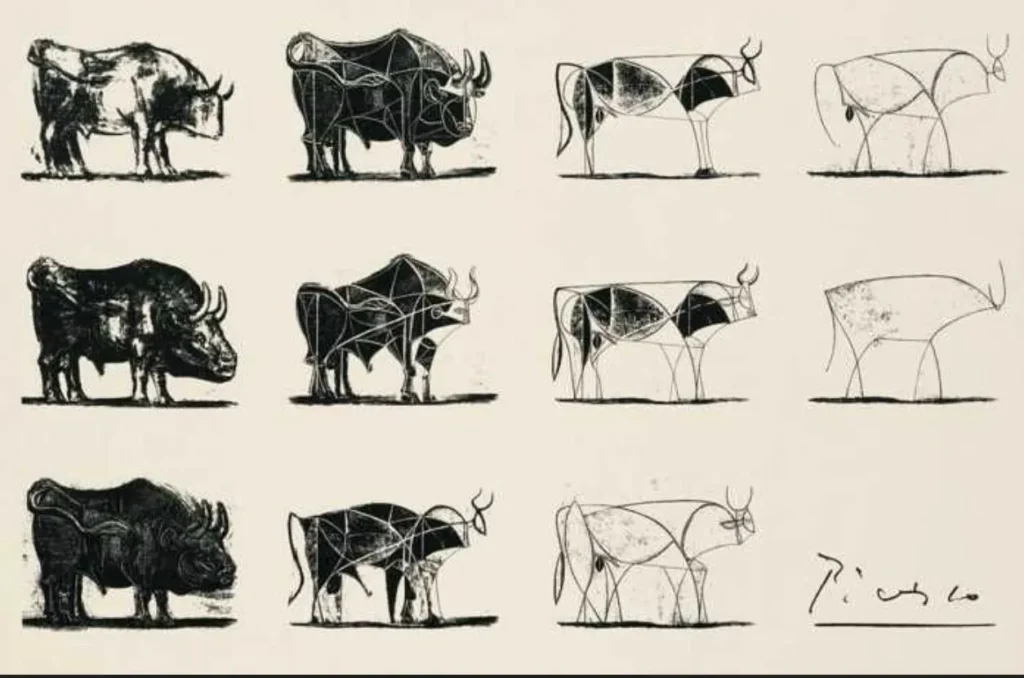
In December 1945 — January 1946, Picasso created “Le Taureau” or “The Bull”, a series of 11 stone prints that painstakingly explored the purest essence of a bull. With each successive print, a bull is simplified and abstracted. It is considered as an iconic representation of absolute simplicity. In 2008, Steve Jobs set out to teach employees at Apple this philosophy. “You have to deeply understand the essence of a product in order to be able to get rid of…
The Inception of Our New Spatial Reality: Immerse or Die!
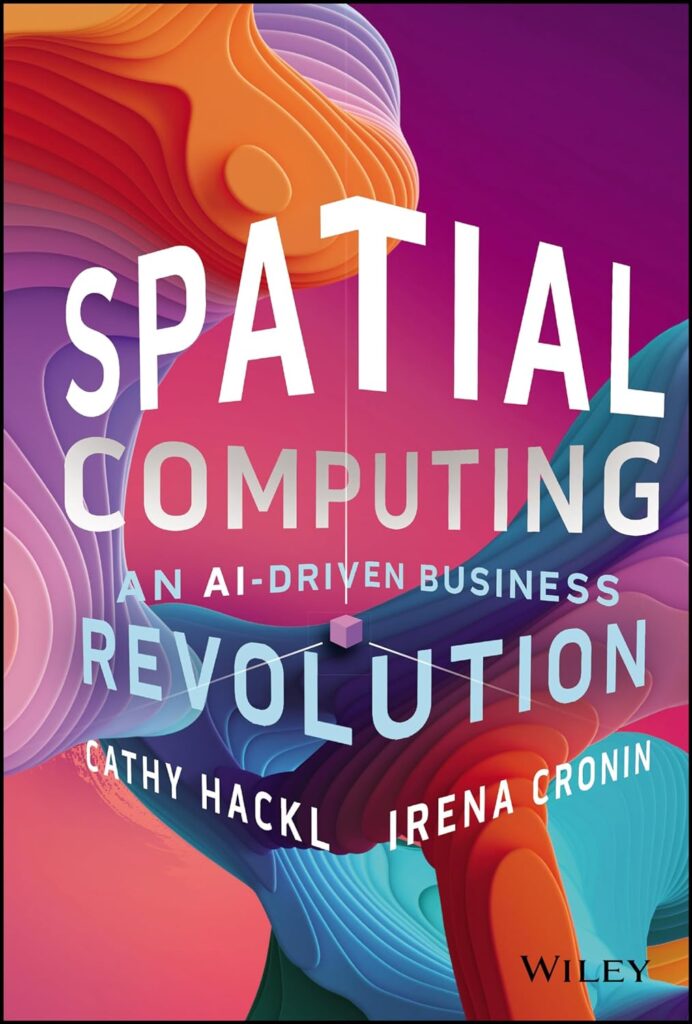
In the worlds of AR , VR, gaming, and spatial computing, Cathy Hackl and Irena Cronin are renowned. I’ve known them for the better part of 15+ years and they are still among my favorite subject matter experts to follow. I’m proud to share that their new book, Spatial Computing: An AI Business Revolution, is now available. I’m also proud to share that I had the privilege of writing the foreword and I get to share it with you here!…
AInsights: Microsoft Developing Its Own AI Model with MAI-1; Serves as a Competitive Lesson for All Businesses
AInsights: Your executive-level insights on the latest in generative AI Microsoft is perhaps building one of the most prolific genAI investment portfolios of any company out there. The company is a deep investor ($10 billion) in OpenAI. OpenAI not only powers ChatGPT, but also Microsoft’s Copilot. Microsoft recently invested in French startup Mistral. The company also just pseudo-acquired Inflection AI, appointing co-founder Mustafa Suleyman as its CEO of consumer AI. Compare this to Apple, one of most innovative companies in…
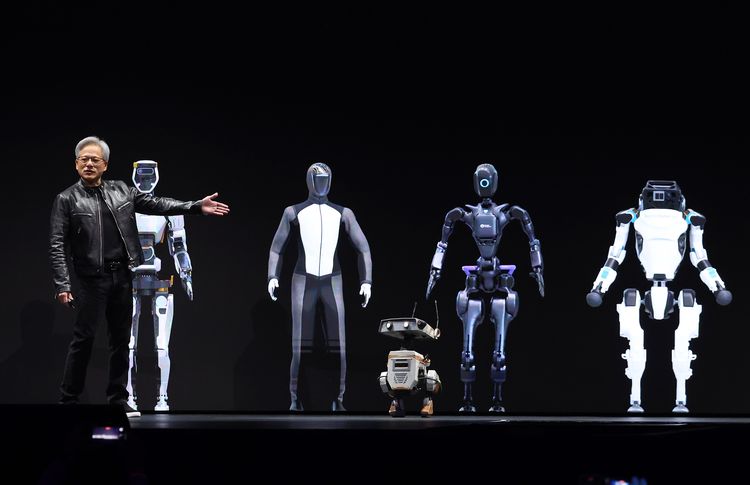
AInsights: Nvidia’s Advancements in AI Compute, AI-Powered Humanoid Robots, and Connecting Omniverse to Apple’s Vision Pro
AInsights: Executive-level insights on the latest in generative AI…subscribe here. Nvidia accelerates its foray into the future of AI and robotics at its annual GTC event. Nvidia made a series of important announcement at its annual GPU Technology Conference recently. This isn’t a news site, so I’ll just cover what was announced and why it’s important to you. I’ll share the news, followed by my AInsights… 1. Nvidia introduced Blackwell and Grace Blackwell Superchip the “world’s most powerful chips” according…
![A Guided Tour of Apple’s Vision Pro and a Glimpse of the Future of [Spatial] Computing](https://briansolis.com/wp-content/uploads/2024/01/VisionPro-2023.jpeg)
A Guided Tour of Apple’s Vision Pro and a Glimpse of the Future of [Spatial] Computing
Apple finally released its long-awaited Vision Pro for pre-order today. At launch time, Apple also released a guided tour video that offers a glimpse of spatial computing and the new dimension of immersive experiences it introduces. Here are the key moments to focus on to appreciate what makes Vision Pro a game-changer. What we’re witnessing is a new future of computing, connectivity, entertainment, communication, and how we interact with digital and the physical space around us. 1) You’ll notice the…
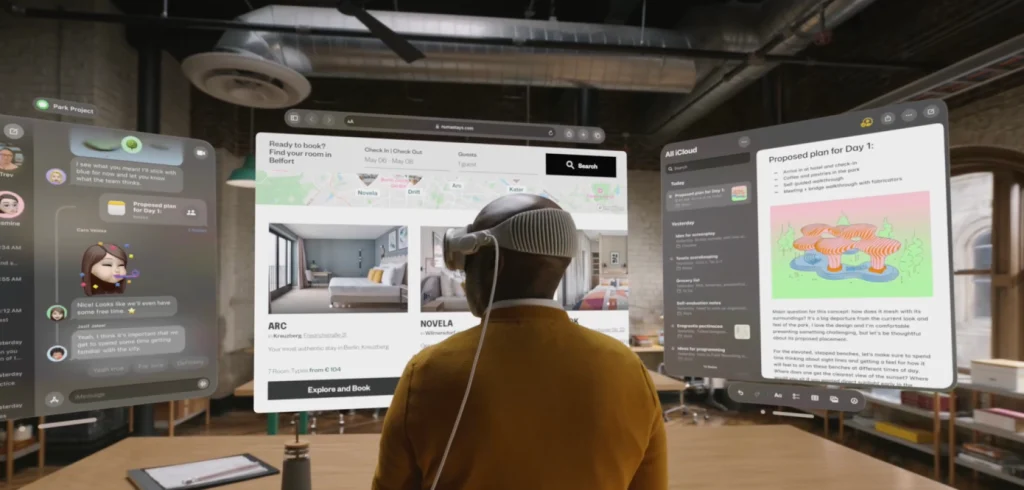
On the Futurists: Apple’s Vision Pro is Definitely Going to Usher in the Era of Spatial Computing
If you want an opinion on Apple’s Vision Pro and the promise of Spatial Computing, you can ask any expert. You’ll get plenty of thoughts and predictions. However, if you want a perspective based on a first-hand experience of actually using the Vision Pro and immersing themselves in an alternate plane between mobile, traditional computing, and the real world, well, here you go. In this special episode of The Futurists, Brett King, Robert Tercek, Miss Metaverse, and I interview Brian…
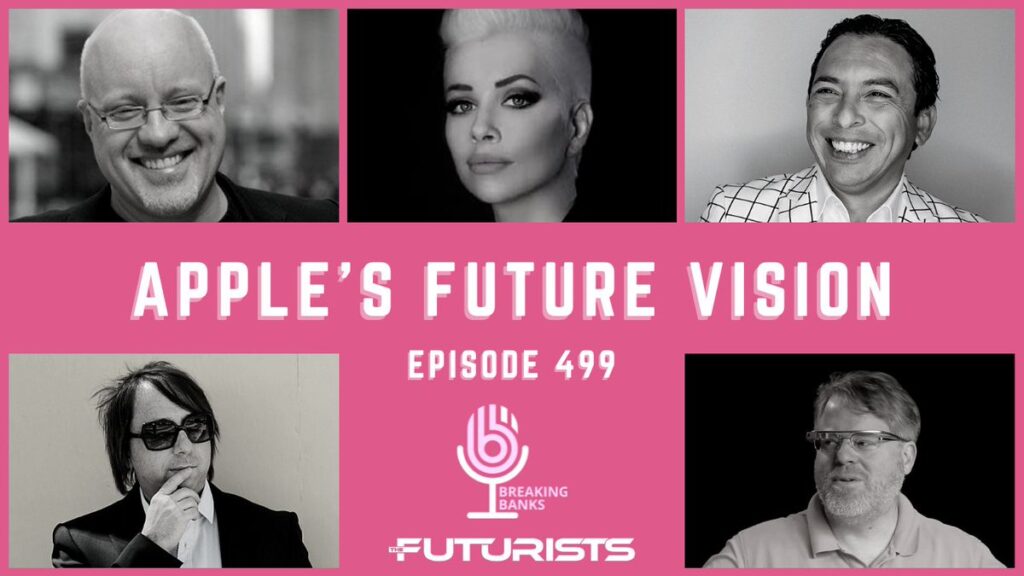
The Futurists: The Future of Apple’s Vision Pro and Spatial Computing
What’s it like to wear Apple’s Vision Pro mixed reality headset? This week on The Futurists, hosts Brett King, Katie King, and Brian Solis are joined by the dynamic duo of Robert Scoble and Brian Roemmele, both highly regarded futurists as we dive into the implications of Apple’s Vision Pro. Roemmele was at Apple’s launch event and was one of the lucky few to experience Apple’s inaugural take on augmented reality and virtual reality. We also explore spatial computing and…
Apple News Features Article by Brian Solis, ‘Five Ways To Improve Your Productivity’
In an article on Apple News that originally appeared on the Quora site, Solis explains “Five Easy Ways to Improve Your Productivity.” He starts by recounting the story that led to his writing of Lifescale. The advice he says has helped boost his productivity dramatically is: Work in Sprints. He writes, “It’s impossible to go from being easily distracted to suddenly having complete concentration all day long. You can’t fix this problem cold turkey. Instead, it’s best to take incremental…
Tomorrow’s Products and Services Need to Offer Innovative (Not Just Iterative) Experiences
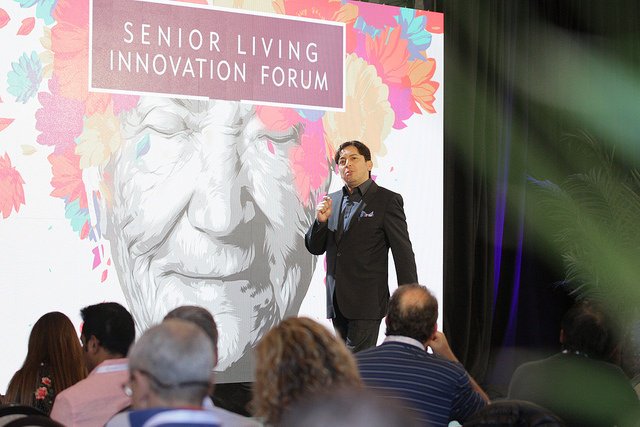
Napa Valley, what a wonderful place to visit. Some of my favorite wineries are in Napa. Paraduxx, Far Niente, Harlan, Mascot, Nickel and Nickel, Chandon, Domain Carneros, Cuvaison, Schug, just to name a few. Napa is also a wonderful place to work. And, I recently had an opportunity to do so when I was asked share my vision of the future at the Senior Living Innovation Forum. I’m not an expert in senior living care nor am I a master…