Liraz Margalit of the Clicktale blog recently conducted a Q&A with Brian Solis at CDO Israel, and posted the video at their website.
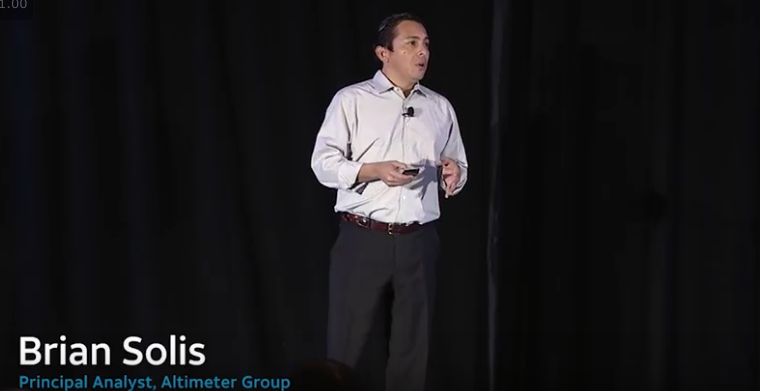
AT&T Business: Retail Gets a Digital Revamp
The AT&T Business blog recently shared a video of Brian Solis’ keynote address at the 2018 AT&T Business Summit, and recapped his top points.
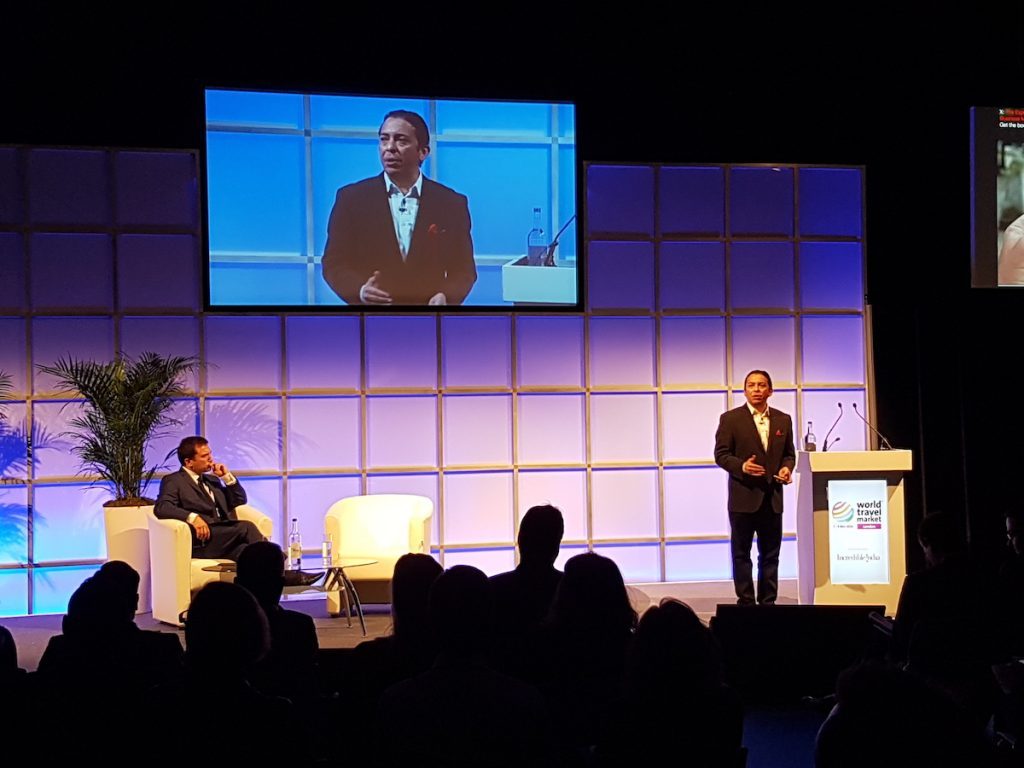
WTF: What’s The Future of Travel and Hospitality?
We live in an era of digital Darwinism as technology and its impact on consumers continue to rapidly evolve. The question is, where do we fall in the evolution and how does this transformation impact consumer travel and the travel industry? I was invited to share my research and ideas about the future at World Travel Market London. I also presented on travel’s progression toward an “experience economy” and the need to shift from destination to experiential products/services. In order to…

Disruptive Technology is Disrupting Behavior
I study disruptive technology, specifically innovative technology that gains so much momentum that it disrupts markets and ultimately businesses. In the past several years, disruptive technology has become so pervasive that I’ve had to further focus my work on studying only disruptive technologies that are impacting customer and employee behavior, expectations and values and affecting customer and employee experiences. I can hardly keep up with today let alone consider the potential disruption that looms ahead in every sector imaginable including…
The Moment of Truth: Connected Customers and How to Re-Imagine Customer Experiences
And then one day, it happened. Customers changed. How they make decisions changed. What they value and how they want to do business changed. The funny thing is…we didn’t. Now we can and a new generation of technologies and services make it possible to not only react but lead customer experiences moving forward. To effectively compete in the digital economy, you are left with no choice; become customer-obsessed or lose! Every moment-of-truth counts when it comes to customer loyalty. For…
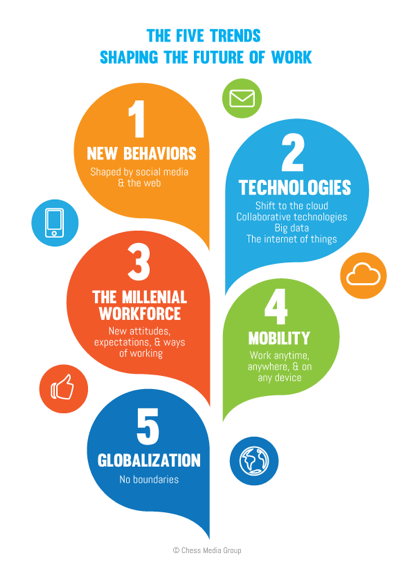
Five Trends Shaping the Future of Work
Guest post by Jacob Morgan, author of the newly released, The Future of Work: Attract New Talent, Build Better Leaders, and Create a Competitive Organization. You can connect with Jacob on Twitter or email him directly: Jacob@ChessMediaGroup.com. If there’s one thing that we can all agree on it’s that the world of work is changing…quickly. The way we have been working over the past few years is NOT how are we are going to be working in the coming years….
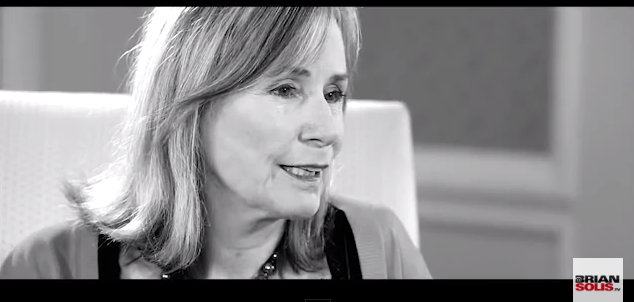
Be on your best behavior! Behavioral expert Kare Anderson on how to design idyllic experiences
“If we feel instinctively liked by someone else then we tend to project unto them the qualities we like in other people…and that’s priceless.” Those are the wise words of Kare Anderson, expert on the art and science of understanding and perfecting behavioral cues. As she shares, emotion precedes rational thought. In this episode of Revolution, we learn about the importance understanding what we do and don’t appreciate in others to improve how we connect and communicate. If you’re aware…
Music, Film, TV: How social media changed the entertainment experience
Social media is more than a digital water cooler for TV and movies. The global conversation that takes place around events and the experiences people share based on what they watch teaches us about consumer preferences. More importantly, their activity influences behavior. Behavior counts for everything. Studying it is just the beginning of course. In order to understand and eventually steer behavior, we must translate activity into insights and in turn, translate insights into actionable strategies and programs. The Hollywood…
The Twitter Paradox
There’s an old saying, “If it ain’t broke, don’t fix it.” Twitter is a paradox that redefines that old saying to, “If it’s broke, don’t fix it, because it works.” For all intents and purposes, Twitter shouldn’t work, yet 200 million people (and bots) have created accounts in this thriving information egosystem. Now, news no longer breaks, it Tweets. Celebrities use it daily to connect directly with fans and also augment their income streams. Politicians and governments use Twitter to…
Behaviorgraphics: Discovering the “Me” in Social Media
Social media is a deeply personal ecosystem that I lovingly refer to as the EGOsystem. As such, there is a “me” in social media for a reason. It is quite literally a world in which we are at the center of our online experiences, a place where everything and everyone revolves around us. Placing ourselves in the role of this emerging social consumer for a moment, brands, businesses, and media aren’t sure how to see or reach us directly yet….