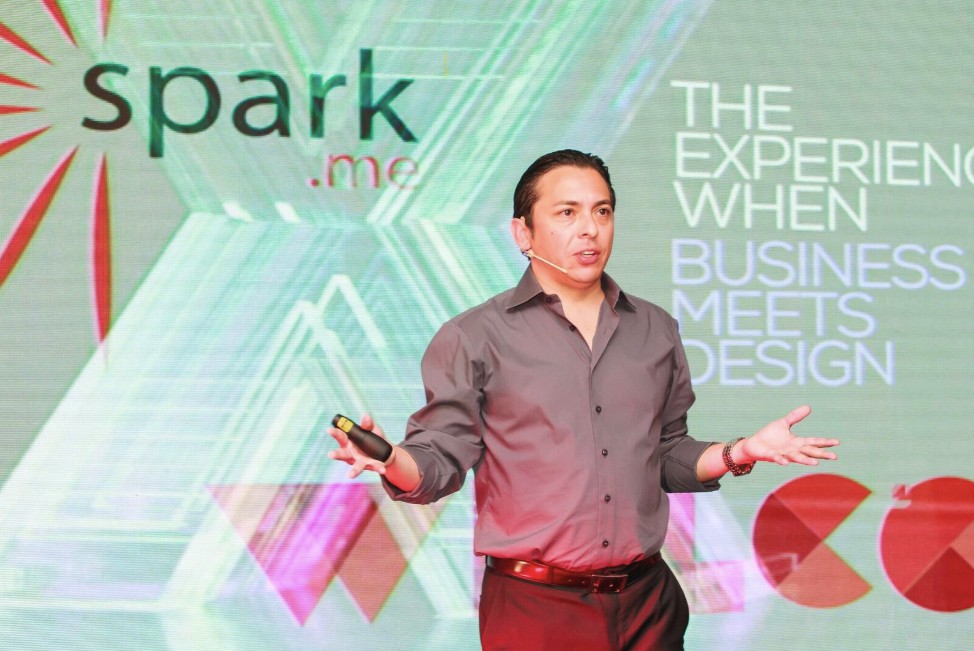
“Behind every screen, expression, and impression stands a human being… Not a consumer.” – Brian Solis
Brian Solis, one of the world’s most renowned marketing experts, analysts, and writers, made us all remember that brand, before anything else, means experience. It sounds confusing at first, but it’s actually quite logical. Brands use experience as a way of bringing life into the things we care about.
LinkedIn – What does brand mean in 2019?
And it is essential to think this way. As Altimeter Principal Analyst, Brian Solis notes, “the way of doing things and the way the world is evolving are different. The greatest innovation is in mindsets and processes, in how we are human. And once you see it differently, you can’t go back.”
Brian also notes the wise words of his colleague, Principal Altimeter Analyst, Charlene Li, “In a post-truth world, marketers need to shift from touch points to trust points.”
In an era of mediocrity and complacency, only the relevant survive.– Brian Solis
Onalytica – An Evaluation of Brand-Influencer Partnerships
“What most brands and agencies miss is that influencers aren’t meant to be part of a campaign in a traditional sense. They’re not like the celebrity endorsements of the past nor are they traditional media outlets waiting to share brand-approved messages with their audiences. At the root of influencer partnerships is social capital. What makes influencers special is that they have earned social capital, a measure of digital worth comprised of varying degrees of trust, stature, value, engagement, entertainment, authority, etc. Together, they add up to the reasons people follow them and contribute to communities. More importantly, there’s mutual value between influencers and followers. It’s a human network. For brands and agencies to succeed, any branded engagement has to add value to the influencer’s social capital, to the experience of followers and to the community as a whole. The key is to link social capital to brand value. Because at the end of the day, it’s the brand’s opportunity to also build social capital within these human networks.” Brian Solis – Best selling Author Principal Analyst and Futurist, Altimeter, a Prophet company
Three Brand Storytelling Misconceptions That Are Holding You Back
Guest Post by Ekaterina Walter and Jessica Gioglio In the era of the connected digital consumer, brand storytelling needs to undergo a radical shift. For many companies, brand storytelling has become a buzzword, a way to support marketing campaigns or polished commercials. So much so, that we’ve lost our focus on the heart and soul of brand storytelling. It’s time we took the BS out of brand storytelling and focus on what truly matters: building the meaningful and relevant connections…
Customer Experience, Where It is Now, and Where It Will Go Next
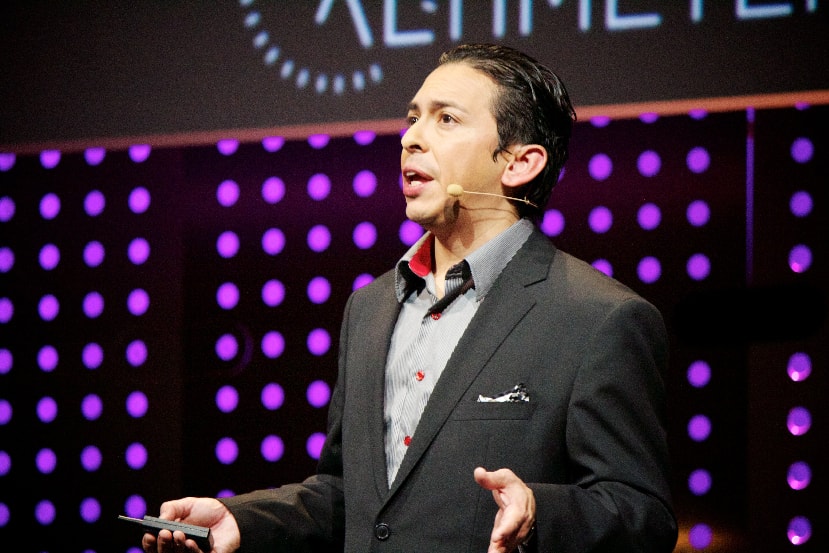
Leo Bertelli was gracious enough to invite me for an interview on the state and future of CX. The conversation was so engrossing that I wanted to share it with you here. I hope it helps you! What do you think have been the most significant advances in CX in previous years? You can’t talk about customer experience if you don’t appreciate what the word experience means – and as the author of a book on experience design, I struggled…
Silicon Valley Uncovered: The evolution of tech, media and its impact on society
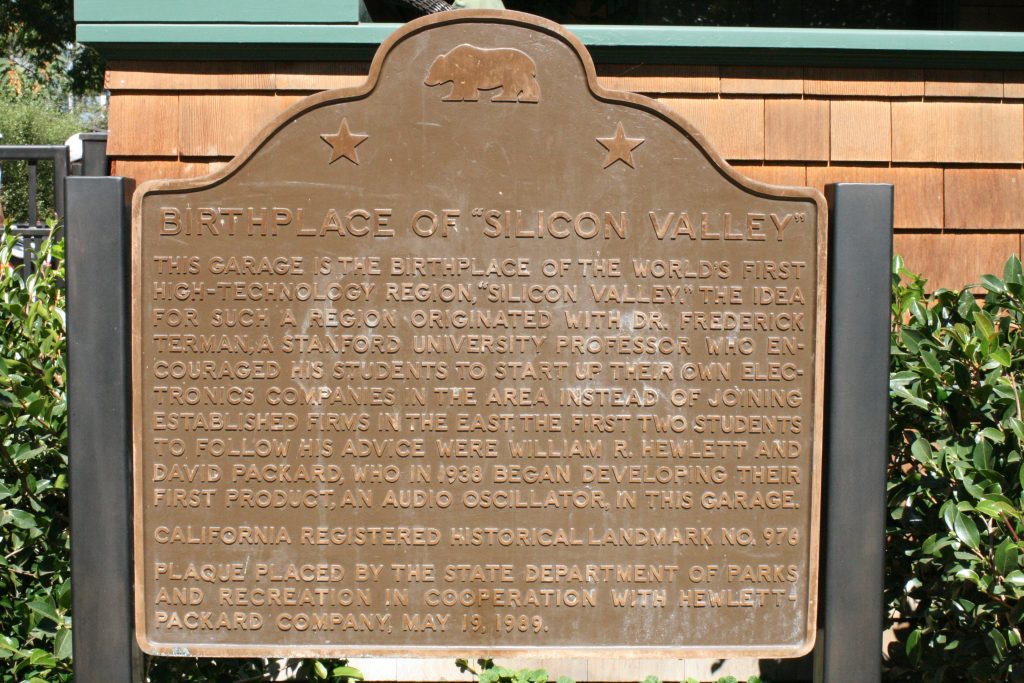
In 2010, my dear friend Hermione Way invited me as the first-ever guest on her then new show, “Silicon Valley Uncovered” for TheNextWeb. It aired on January 18th, 2011. I share this with you because the conversation, while several years old now, is strangely better suited for today and the modern times in which we live and work. I’m not even sure how I stumbled across this interview. To be honest, I’m taken aback by how prescient and philosophical this conversation…
Brands of the Future: The Critical Relationship Between BX, CX, UX and EX
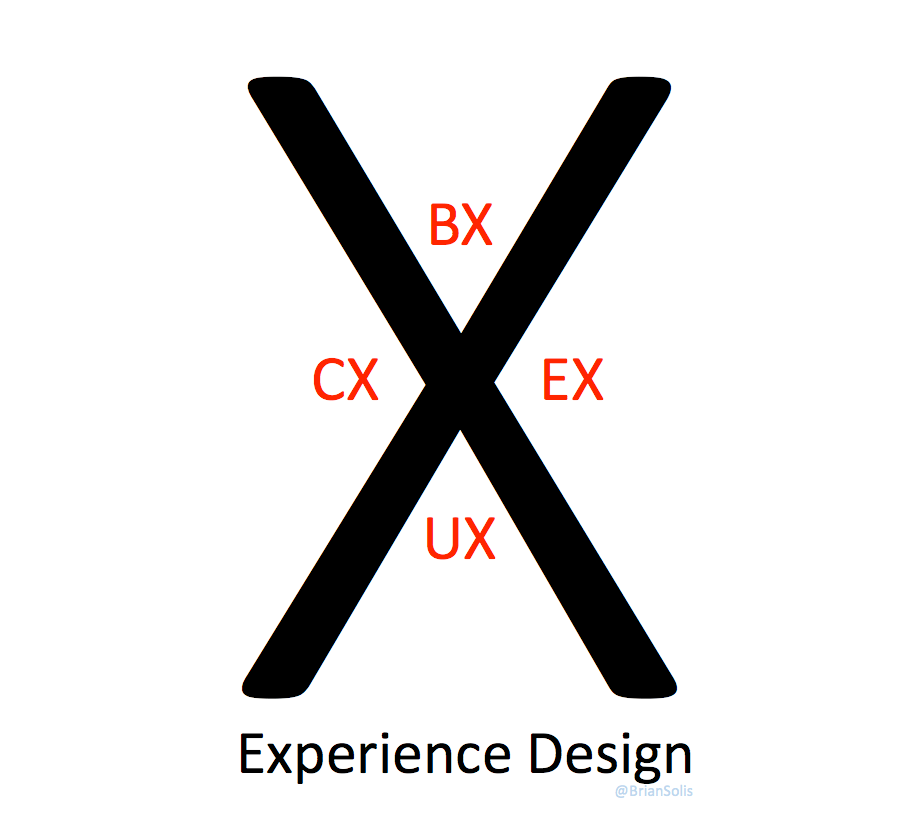
Businesses are doubling down on customer experience and rightfully so. The customer has never been more connected, informed and empowered. Any brand hoping to survive and thrive in an era of digital Darwinism has no choice but to #adaptordie. But customer experience in of itself is not enough. Brands must understand what it means to compete at a time when people are not only changing, their priorities around values, aspirations and loyalty are also shifting. Humanity is now the killer…
The Purpose of Brand and CX in the Era of Human Experience
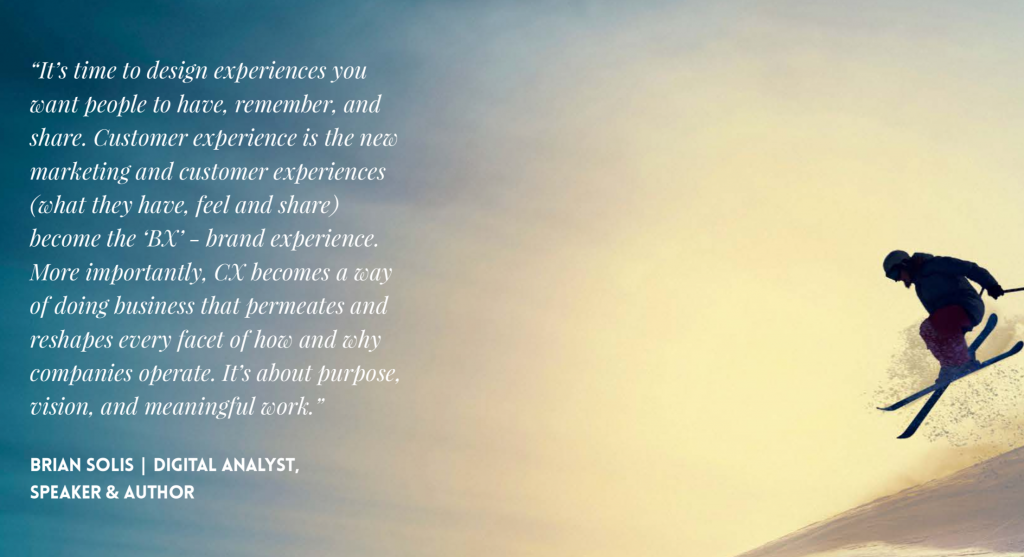
It’s time to design experiences you want people to have, remember and share. Customer experience is the new marketing and customer experiences (what they have, feel and share) become the new “BX” (brand experience). More importantly, CX becomes a way of doing business that permeates and reshapes every facet of how and why companies operate. It’s about purpose, vision and meaningful engagement…not corporate mission and vision statements, taglines and creative campaigns. Image courtesy of RantandRave. About Brian Brian Solis is…
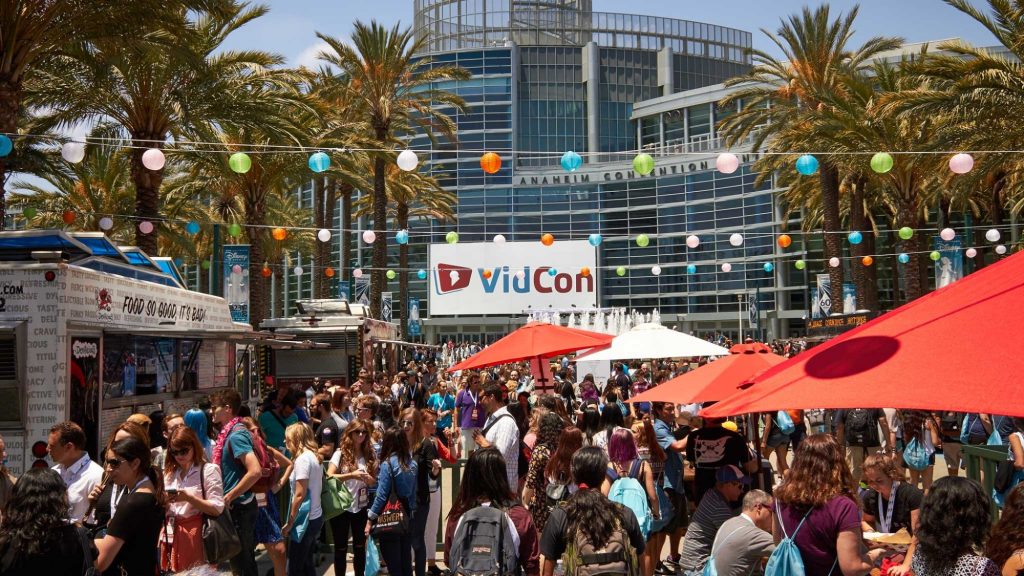
Why Your Brand Needs Vidcon and the Rise of Creator Influence and Trust
For the last three years, I’ve made it a point to attend Vidcon, even if that meant missing the prestigious Cannes Lions. Why? Because the roots of shifting consumer behavior, trust and influence are evident to those paying attention. For those who are tracking what’s next, the future of entertainment and engagement is taking shape online and live in Anaheim every summer. Thousands upon thousands of young adults, children and supportive parents convene upon Vidcon every year in the hopes…
The Future of Brand, Tech and Business is Experience
If you’ve never attended the Next Conference in Germany, plan for the next event. It combines elements of SXSW in a festival, city-wide format where people, technology, music and art converge into an experience that’s anything but a conference. I’ve had the privilege of presenting at Next over the years. In 2016, I was invited once again (I think for the third time) and I jumped at the chance. Well, actually, I flew to Hamburg, but you know what I…