
Guest post by Mark W. Schaefer (@markwschaefer) I hate the term “personal branding.” And yet, personal branding may be the salvation of corporate marketing. Allow me to explain today why both statements are true! For the past few years I’ve been immersed in the world of personal branding as I wrote my new book KNOWN: The Handbook for Building and Unleashing Your Personal Brand in the Digital Age. I started the process by exploring what the experts thought it meant…
Is Your Marketing Strategy Aimed at the Present or the Future?
If you’ve designed your marketing strategy around what your market expects today, you may want to revisit it. Why? Your market will expect something different in the future. And that future is starting to arrive now. When I’m not deep in the weeds studying Digital Transformation, Innovation, Experience Design and Culture, I’m incessantly thinking about brands of tomorrow and what it takes to be relevant to an evolving society. I recently spent some time with Qlutch CEO Jim Sagar to explore…
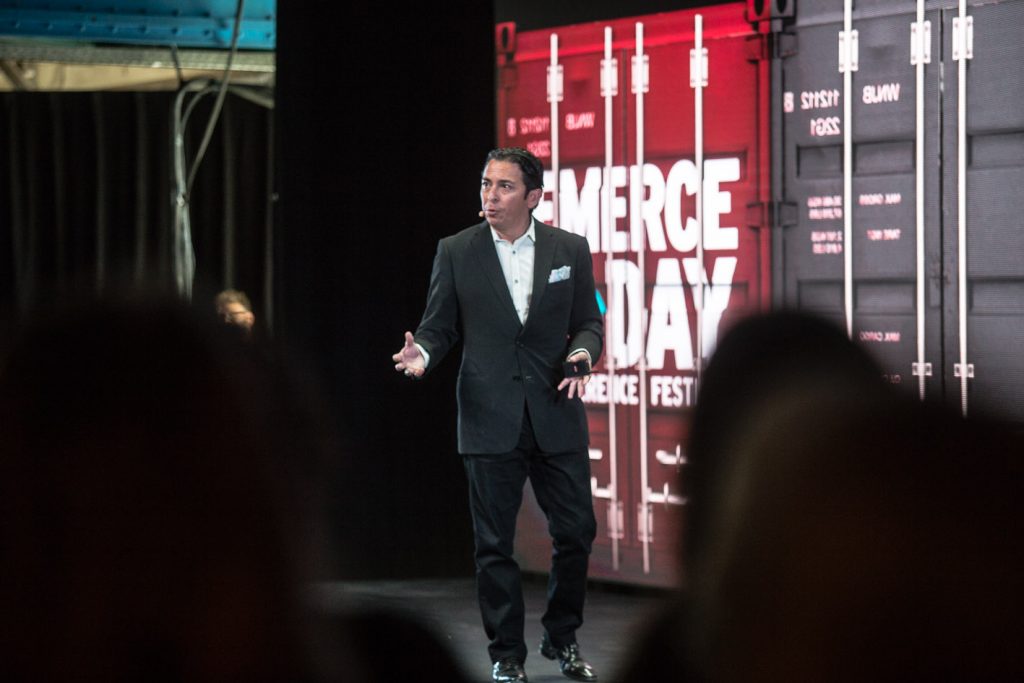
Experiences Become Brands and Great Brands Become Experiences
These days, it seems that I travel to events overseas more than in the United States. While many companies around the world believe they are behind U.S. companies, I can say that from first hand experience, any company pursuing the future of customer experience, innovation, and brand is ahead of the game…regardless of where it’s based. When I receive an invitation to present, it exemplifies, at least to me, that those attending the event are keen on learning about how to…
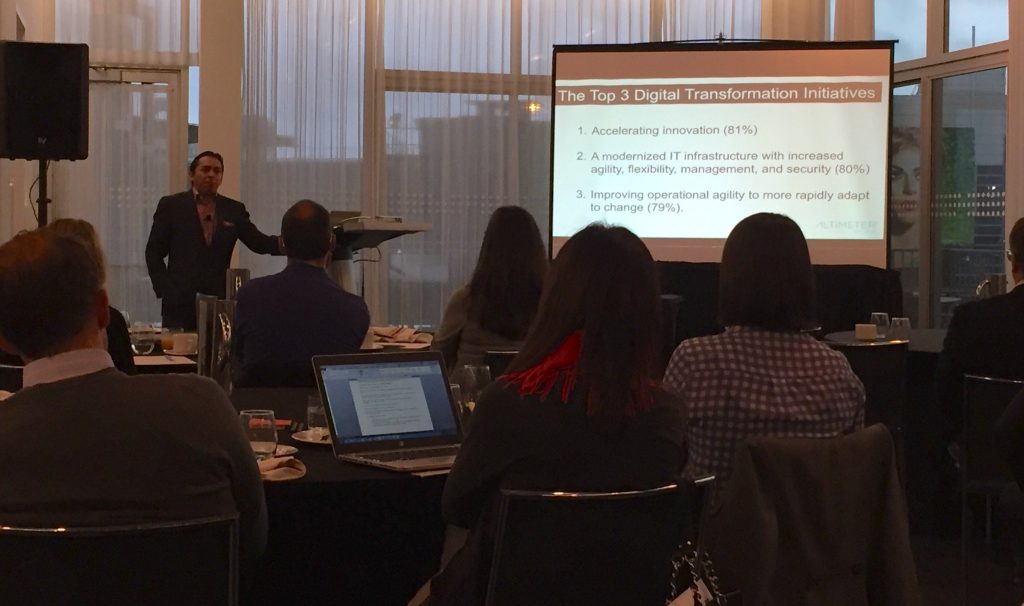
4 Keys to Designing New Customer Experiences
On a cold and rainy day in Minneapolis before year’s end, I joined my Prophet colleagues at Le Meridien Chambers where we hosted a breakfast of brand champions. It was the second time this year that I was invited to speak to some of the city’s (and the country’s) most prominent companies and this time I had even more new research and ideas to share. During the two hours that we were together, I presented findings from “The 6 Stages of Digital…

What CMOs Must Get Right In 2017 To Succeed as an ‘Experience Business’
Like clockwork, every December, experts voice their predictions and advice to guide us in the coming year. Sometimes I offer my thoughts. Mostly, I spend my time curating emerging and disruptive technology trends. This year however, my dear friend Giselle Abramovich with CMO.com, reached out with an exceptional question and I couldn’t resist…especially since the answer was limited to 25 words. Digital transformation and becoming a “customer experience business” is clearly the future for marketing. What is the one thing CMOs…

Does your brand have an experience style guide?
X has opened the doors to new countries and experiences and for that, I am truly grateful. Recently, I had the opportunity to visit Singapore and also Hong Kong. I already want to go back. While in Hong Kong, I meet with Soon Chen Kang 江欣珍 at Campaign Magazine to discuss X, the state and future of brand and the importance of experience design in all aspects of customer/employee engagement. I wanted to share the conversation with you here… Does your brand…
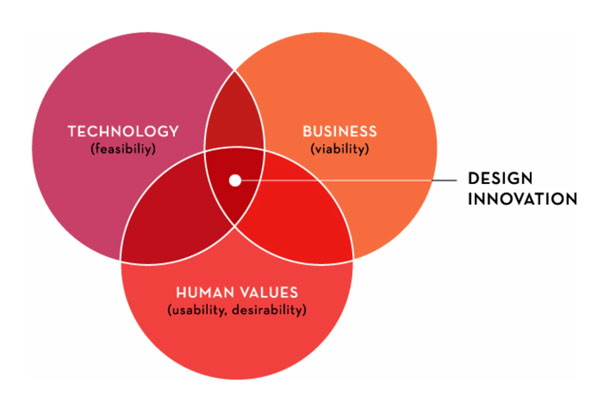
Human-centered CX: Uniting stakeholders across the enterprise
Customer experience is said to be a top business priority for most companies around the world. Many experts agree that investing in CX establishes a competitive advantage against companies that choose to solely prioritise the bottom line. While customer experience is a noble and important catalyst for business transformation, becoming truly customer-centric requires an introspective approach. This takes stepping back to define what customer experience really means from the customer’s perspective – what they truly value and also what’s primed,…
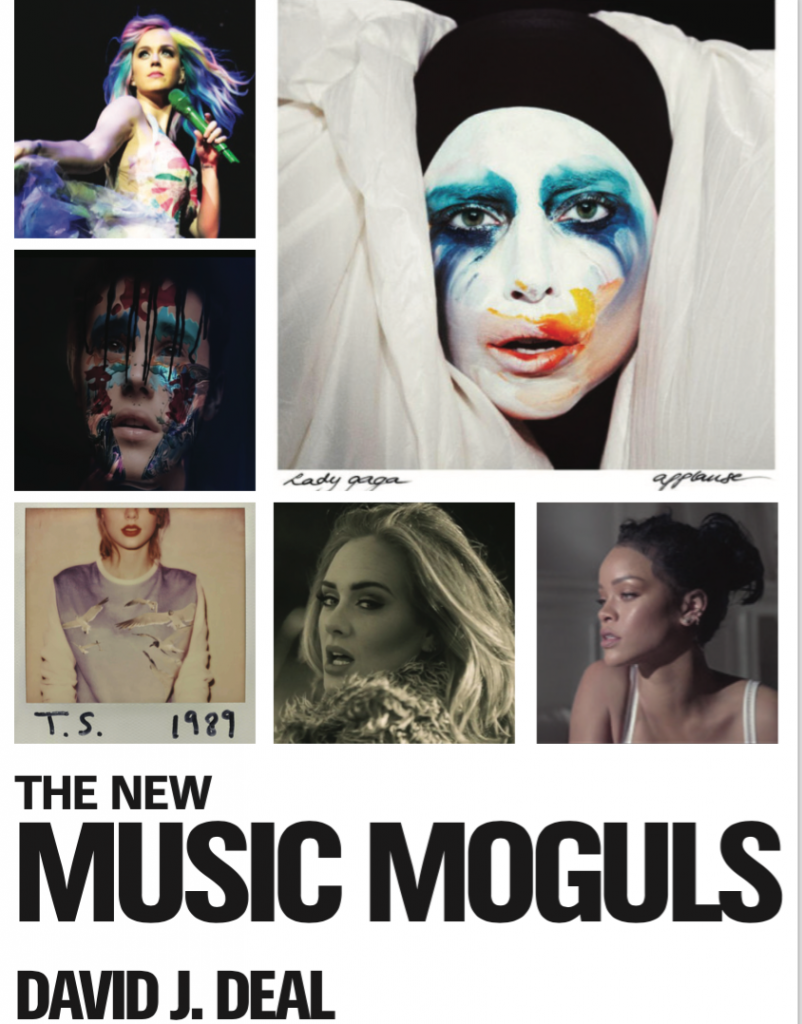
How the New Music Moguls Write Their Own Rules
Guest post by David Deal (@DavidJDeal) author of the new [free] ebook, “The New Music Moguls“ How do you succeed in an industry that faces constant disruption? The music industry has been asking itself this question ever since Napster crashed the party. As it turns out, elite musicians such as Rihanna and Taylor Swift, who routinely earn millions year after year, have been providing answers all along. They write their own rules for success, including a willingness to use their music as…
26 Disruptive Tech Trends for 2016 – 2018
Each year at this time, I read all of the predictions for the new year plus the “top X” lists wrapping out the previous year. Add to that the first week of chaos that is CES and all of the new tech debuting in Las Vegas. And each year, I’m left wanting more substance as I plan my research. So, in 2015, I officially threw my hat into the mix with my inaugural look at “25 Disruptive Technology Trends in 2015 –…
The Embrace: Creating Experiences that Nurture Attention into Engagement
Attention is a currency. We spend it. We earn it. And, sometimes we waste it. Experience is something special. It’s all the rage at the moment, yet, we often talk about it as is if it’s a thing. But, as we know, deep down, the best things in life aren’t things, they’re experiences. One of things that makes it so hard to make experience a strategic and actionable part of our work is that the word “experience” means so many…