
Guest post by Brendan Gahan (@BrendanGahan), a YouTube marketing expert helping Fortune 500 brands with their YouTube influencer and community building campaigns. He was named Forbes 30 Under 30 in Marketing & Advertising and one of the 25 Top YouTube Business Power Players for 2013. The past month there’s been a wealth of speculation in the blogosphere regarding livestreaming services Periscope and Meerkat. Who is going to win? Which platform will crush the other? Which app is the future of…
Experience Begins Here
Experience is becoming more important than the product itself. What is experience? It’s not a thing, it’s everything. It’s an embrace and an emotional ecosystem that requires purpose, thoughtfulness and mastery. More so, experience requires architecture and a supporting ecosystem to deliver more than features, utility or capability. And, it starts here: <3 We must flip our everyday approach from brand-centricity to customer-centricity. Think beyond budgets, approvals and technology and creativity for the sake of technology and creativity. That’s what…
Community is Much More Than Belonging to Something; It’s About Doing Something Together That Makes Belonging Matter
Viginia Coutinho is a dear friend who just released a new book (in Portuguese) that helps strategists think differently about social media. She is also the organizer of Upload Lisboa, a fantastic event in Portugal that focuses on innovation and disruptive technologies. Earlier in the year, she surprised me by asking if I would consider writing the foreword. Even though I don’t write much about social media these days, I couldn’t let her down. Now that her book is available,…
The Quality Prism: The secret to co-creating brands through social media
Guest post by Greg Narain (@gregarious) co-founder of Chute, a company that helps brands discover or collect relevant photos from social networks and incorporate the visuals into their websites and apps Brands finds themselves at a challenging crossroads in their evolution. For decades, companies have utilized a command and control model as it pertains to their brands. Billions of dollars have been spent to carefully craft specific messages and deliver them via campaigns. However, as consumers continue to create and…
The Ultimate Moment of Truth and The Art of Digital Engagement
In 2012, Google along with Jim Lecinski published a fantastic book that explored how digital customers made decisions in what Google refers to as “The Zero Moment of Truth.” The ZMOT as it’s abbreviated, helps strategists discover relevant strategies and tactics on how to show up at the right place, at the right time and with the right content in a digital ecosystem. In a world where consumers “Google it” to begin their digital journey, ZMOT revealed that brands need…

Your Brand: The Next Media Company – Become A Content Organization
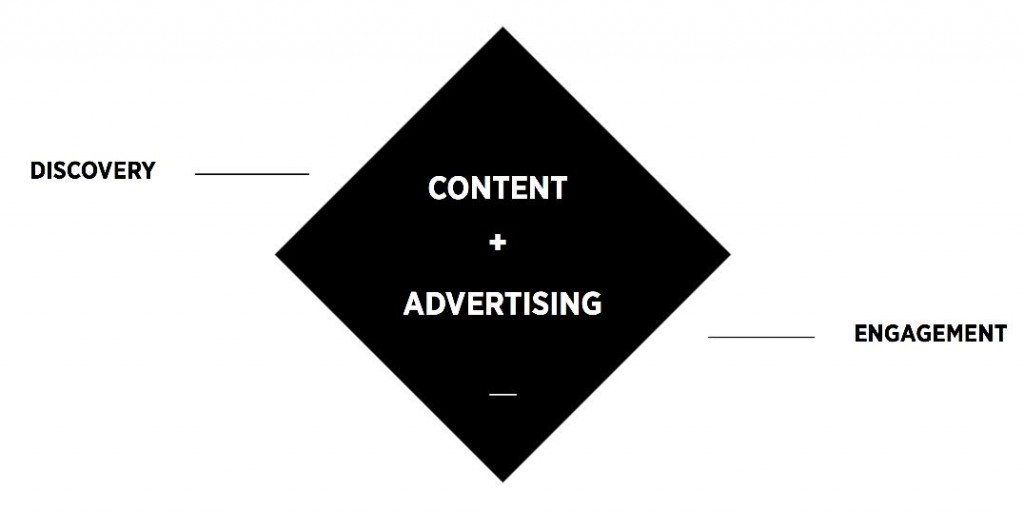
Guest post by Michael Brito, author of Your Brand: The Next Media Company There are four fundamental truths shaping today’s digital ecosystem, which I outline in my upcoming book, Your Brand: The Next Media Company. Number one. There is a content and media surplus in the market place. There’s no shortage of advertising, marketing messages, mobile devices or social interruptions trying to command our attention, daily. Number two. There is an attention deficit in the minds of consumers. Our brains…
The 2013-2014 Social Media Landscape [Infographic]
After almost two-and-half years, it is with great pleasure that I officially unveil the fourth edition of The Conversation Prism. Viewed and downloaded millions of times over, The Conversation Prism in its various stages has captures snapshot of important moments in the history and evolution of Social Media. For those unfamiliar with The Conversation Prism, it is an evolving infographic that captures the state of social media, organized by how important social networks are used by professional and everyday…
Tune in with Twitter TV
Have you ever watched TV while using a laptop, smart phone, or tablet? Wait, why am I asking. Of course you have. That’s what we all do now right? So I guess the real question to ask is how often do you use Twitter vs. Facebook while watching TV? In many ways, Twitter is becoming a bona fide second screen experience while watching television. And in many ways, TV may also serve as the second screen to those engrossed in…
The 9 Laws of Affinity in an Era of Digital Darwinism
We are indeed witnessing what can be best described as the end of business as usual. With the closure or dwindling performance of businesses once regarded as too big to fail or with the rise of every new Occupy-like movement around the world, we are reminded of the grand chasm that exists between consumer values and the values of today’s businesses. What is becoming painfully obvious is that people everywhere are calling for change and they’re taking to the streets…
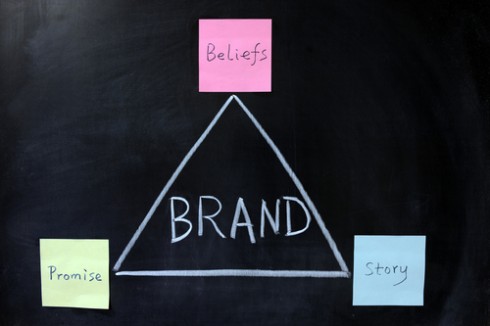
Your Brand is More Important Than You Think: BrandSTOKE’s 9 Criteria for Brand Essence
The importance of establishing your brand in the era of Digital Darwinism cannot be overstated. Digital Darwinism occurs when technology and society evolve faster than one’s ability to adapt. Every brand is vulnerable, but no business is too big to fail or too small to succeed. With customers today being increasingly connected, informed, and ultimately empowered, their expectations only escalate. In short, they are more discerning and demanding than ever before. The brand and the brand promise are of paramount…