
In an interview with Alicia Esposito of Retail Touchpoints that appeared on the Salesforce blog, Solis focused on transforming your brand in commerce, marketing, customer service and even holiday readiness. First, he discusses the “experience economy,” a phrase coined by Joe Pine and James Gilmore in their book The Experience Economy. Solis said, “Today, your brand is defined by the experiences people have and share, which is completely different than in the past. If people are going to have an…

Brian Solis Quoted Extensively in CMO Article On Real Customer Engagement
Solis’ belief that the “marketing function itself” needs to be reinvented is at the core of his discussion with CMO contributing writer Mercedes Cardona in her article “Real Customer Engagement ‘Takes a New Narrative.’ The foundation of her thesis is a quote in a new Altimeter Report that “Brands that leverage technology and data to be most visible in digital media when consumers are “mentally available” will live to see tomorrow.” The report, “Digital Experience Innovators: How Leading CMOs and…
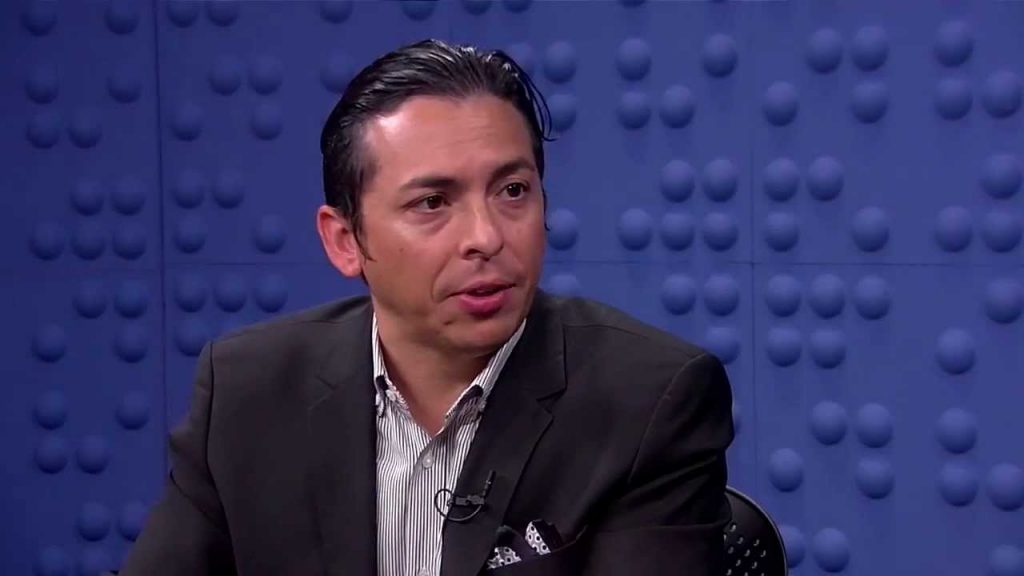
Brian Solis Shares His Views on Customer Service in the Digital Age on Accenture’s new podcast “Marketing Disrupted” with special host Amber Mac
Solis was a recent guest on “Marketing Disrupted,” a new Accenture podcast hosted by Amber Mac with Brent Chaters. The series explores the evolving demands for CMOs and their organizations to thrive in the age of digital disruption. Solis was featured on an episode called “What Does It All Mean?” that also included guests Guy Kawasaki and Jeffrey Hayzlett. Solis spoke about what he had learned from his own personal transformation as chronicled in Lifescale regarding the deeper, darker impacts…
Brian Solis Discusses Key Concepts from “Lifescale” in Wray Ward Article On Emotion in Marketing
Three illuminating quotes from Solis, including several that reference concepts on his “Lifescale” book are used by John Mader, Wray Ward VP, Director of Connections in his article on the Wray Ward site titled, “Emotion in Marketing: Five Thoughts.” Under the fifth subhead “You can take a good thing too far,” Mader writes, “Digital anthropologist and futurist Brian Solis says app developers are manipulating our emotions to keep us on our devices, disconnected from reality, distracted and, ultimately, from doing…

Marketing Magazine says, “When Solis speaks, the market listens.”
In a new article discussing digital Darwinism and customer experience, Marketing Magazine of Australia digs into Solis’s latest research report, The Real-Time and Predictive Commerce Playbook for CMOs. The magazine reports, “When Solis speaks, the market listens” and goes on to quote Solis as saying, “human-centred innovation is needed to compete in an era of digital Darwinism. And for marketers, to become human-centred is to become customer-centric. In other words, brands must understand their evolving customers in real time to…
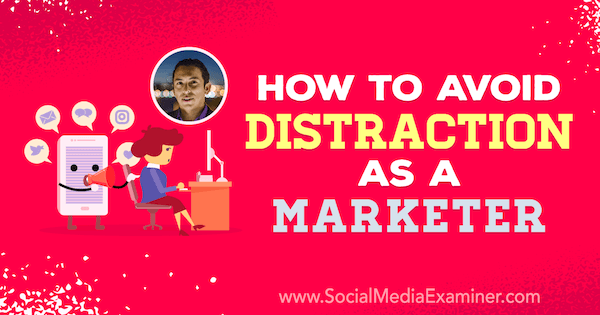
How To Avoid Distractions as Marketer
Social Media Examiner, known as the world’s largest social media marketing resource, interviewed Solis upon the release of Lifescale: How to Live a More Creative, Productive and Happy Life. Writer Michael Stelzner poses these essential questions to start the comprehensive piece about how our life of distractions and social media addictions plays into digital marketing: Does social media distract you from work and life? Wondering how to stay focused despite online interruptions? The topics he and Solis explore include: Understanding…

Brian Solis Quoted in Reference to Effective Coca-Cola Campaign In South African Article
Solis is quoted in reference to a successful Coca-Cola marketing campaign in an article by Tiisetso Maloma on the South African website Biz Community called “The Two Most Important Quotes in Marketing – Becoming and Authority and Expert in Customers’ Eyes.” The article reads: “In 2015 it was estimated that the campaign increased Coke sales by 7% among young adults in Australia, and by 2% in the USA. The campaign is a success because it leaves people feeling something…

Brian Solis’ Article on Machine Learning is Referenced in Linkedin Piece About Content Marketing Ideas
Solis’ article “Marketing and CX Enter the Age of Machine Learning, But Are Businesses Ready” is mentioned and linked to in an article on Linkedin Marketing Solutions blog by Steve Kearns called “What’s Trending: Ideas to Inspire Your Content Marketing.” Solis’ article is at #10 on a list of “What Marketers Were Reading and Sharing Most This Week.” Kears introduces it by writing, “We wrap up this week with an interesting read from Brian Solis on machine learning and how…
MARTECH Advisor – 2019: The Year of New and Improved Customer Experiences
As Brian Solis, principal analyst and futurist at Altimeter once said, “welcome to a new era of marketing and service in which your brand is defined by those who experience it.”

Marketing Land – 2019 Mobile Marketing Predictions From Industry Veterans
Brian Solis, principal analyst and futurist at Altimeter, author of X: The Experience When Business Meets Design. “Mobile marketing becomes less of marketing as we know it and more focused on CX and customer journeys. Instead of upgrading touchpoints, marketing reimagines existing funnels for mobile mindsets, behaviors and expectations…not just devices. Mobile signals feed a new ‘data as a service’ model where marketing aligns with business functions to drive unified performance and growth.”