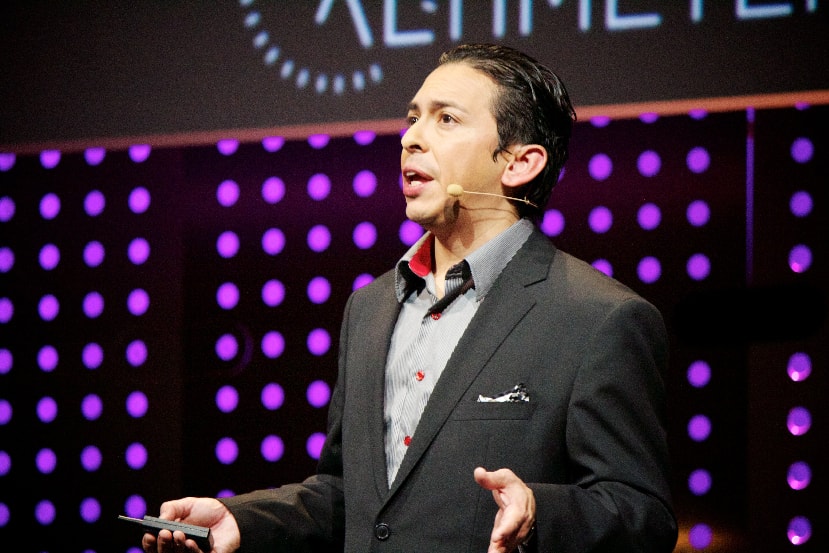
Ana Rita Guerra of the Spanish-language Dinheiro Vivo blog recently did an overview of the 2018 VidCon conference, focusing particularly on what lessons can be learned from the recently disastrous Fyre Festival, and quotes extensively from Brian Solis’ event keynote address. Excerpt: A chave está, disse Solis, na criação de algo que o cliente percebe como útil. “A utilidade é o novo viral”, referiu, citando algumas percentagens de crescimento interessantes nas pesquisas do Google. Por exemplo, tanto a busca por…
OnlineVideo.net: Welcome to Influencer Marketing 2.0: Notes from VidCon 2018
Troy Dreier of industry blog OnlineVideo.net recently filed a report from the 2018 VidCon conference, and devoted the majority of his article to Brian Solis’ event keynote address.
TV(R)EV: Five Takeaways From VidCon For Brands, Influencers And The Rest of Us
David Bloom of the video industry blog TV(R)EV recently covered the 2018 VidCon event, and extensively quoted Brian Solis’ keynote address concerning how influencer marketing is useful for more than just the top of the funnel.
Whatagraph: 10 Fresh Ways To Be More Visible on Instagram
Pam Neely of analytics app Whatagraph.com recently used Brian Solis as a case example, in an article on new ways companies can be more visible on Instagram.

CMO.com: How Leading Retailers Are Responding to Digital Disruption
Giselle Abramovich at Adobe’s CMO.com, a blog devoted to marketing topics, recently covered Brian Solis’ newest report for Altimeter Group, which looks at leading trends in retail innovation.
Elaine Fogel: Expert Quotes to Motivate Your Marketing Mojo
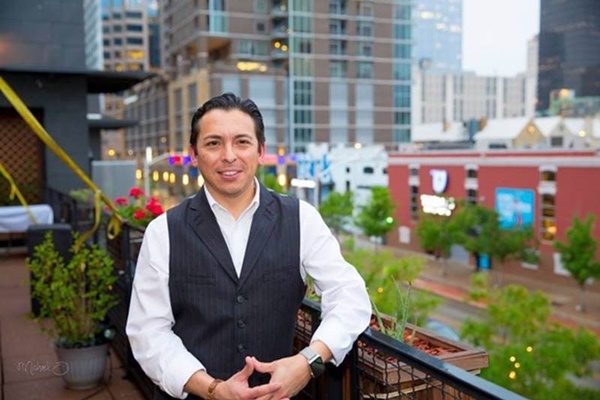
Marketing consultant Elaine Fogel recently shared a quote from Brian Solis, one of a series of messages she turns to when needing “validation or a chuckle.”

To innovate or advance digital transformation, look outside your industry
My good friend and journalist Dan Tynan wrote two exceptional pieces on digital transformation in Adweek, “5 Steps for Digitally Transforming Your Marketing to Be More Responsive to Customer Needs” and “Why Old-School Brands Like Gap Need to Learn New Tricks to Survive in the Digital Age.” If you’re not in marketing, please don’t stop reading yet! This is bigger than marketing. This is about organizational innovation and transformation. Dan and I spent time together talking through what digital transformation…
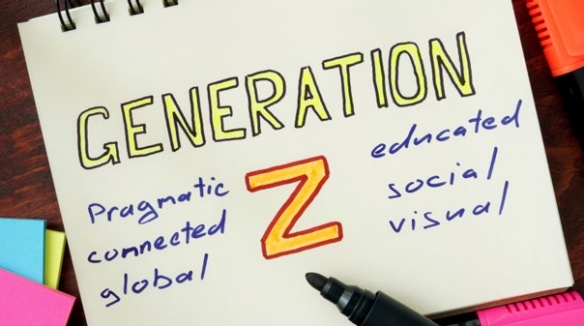
Marketing to Generation Z starts by unlearning traditional marketing principles
Guest post by Connor Blakley (@BlakleySpeaks), a serial entrepreneur, adviser, speaker, and youth marketing/branding strategist. He’s also a teenager and someone whom I mentor. Connor was named as the ¨#1 High School Entrepreneur to Watch in 2016¨” by StartUp Grind Generation Z, America’s youngest generation (Born in 1996 or later) has never lived in a time when the barrier to real-time information and communication has been nearly nonexistent. By 2020, Gen Z will account for 40% of all consumers, making it more important…
![LinkedIn: Why We’re Hungry for Remarkable Content [Infographic]](https://briansolis.com/wp-content/uploads/2015/11/Why_We_re_Hungry_for_Remarkable_Content.png)
LinkedIn: Why We’re Hungry for Remarkable Content [Infographic]
Did you know that 4.6 billion pieces of content are produced daily? In the last 30 years, we as humans have produced more information than in the previous 5,000. We check our phones 110 times a day and email 30 times every hour. Social media has overtaken everything to become the number one activity on the web. Getting attention has never been harder or more important. Yet many marketers continue to contribute to the content glut rather than lead the…
Why Customer Experience is The Catalyst for Digital Transformation
As a digital analyst, I spend a lot of his time thinking about the future of customer experience. So much so that my next book attempts to rethink the term “experience,” X:The Experience of Business Meets Design. “X” explores experience architecture the various ways companies can design meaningful and shareable experiences in every moment of truth. I recently spent time with the team at VisionCritical as part of the prep for its their upcoming conference in Chicago, 2015 Vision Critical…