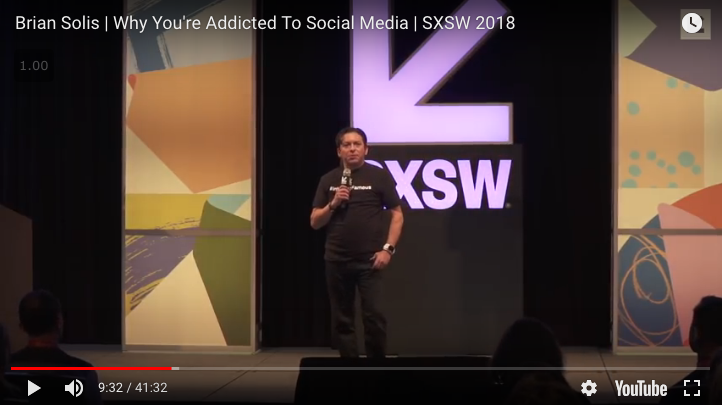
The Holistic Marketing Concepts blog recently looked at and recapped Brian Solis’ keynote address at the 2018 South By Southwest (SXSW) conference, regarding the trend for technology to hijack our minds and what steps we can take about it.
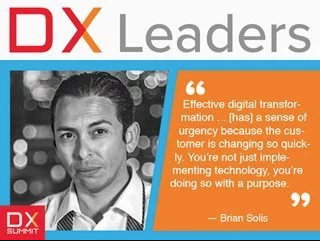
CMSWire: Brian Solis: Customer Experience Is Still Too Much a Technology-First Discussion
China Louise Martens of industry blog CMSWire recently published a profile of and interview with Brian Solis, as part of their series highlighting the speakers of the upcoming Digital Customer Experience (DX) Summit.
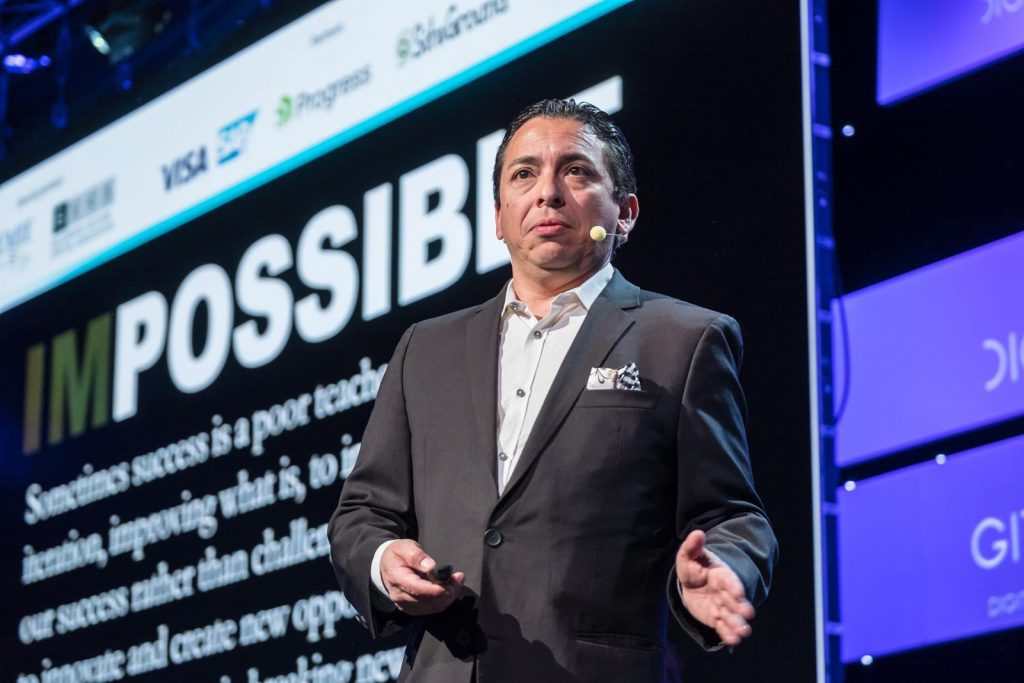
Valchanova.me: Brian Solis: Figure Out How The World Is Changing And How To Be More Relevant As The World Changes
Marketing specialist Vassilena Valchanova recently conducted an extensive interview with Brian Solis, soon after his keynote address at the 2018 DigitalK conference.
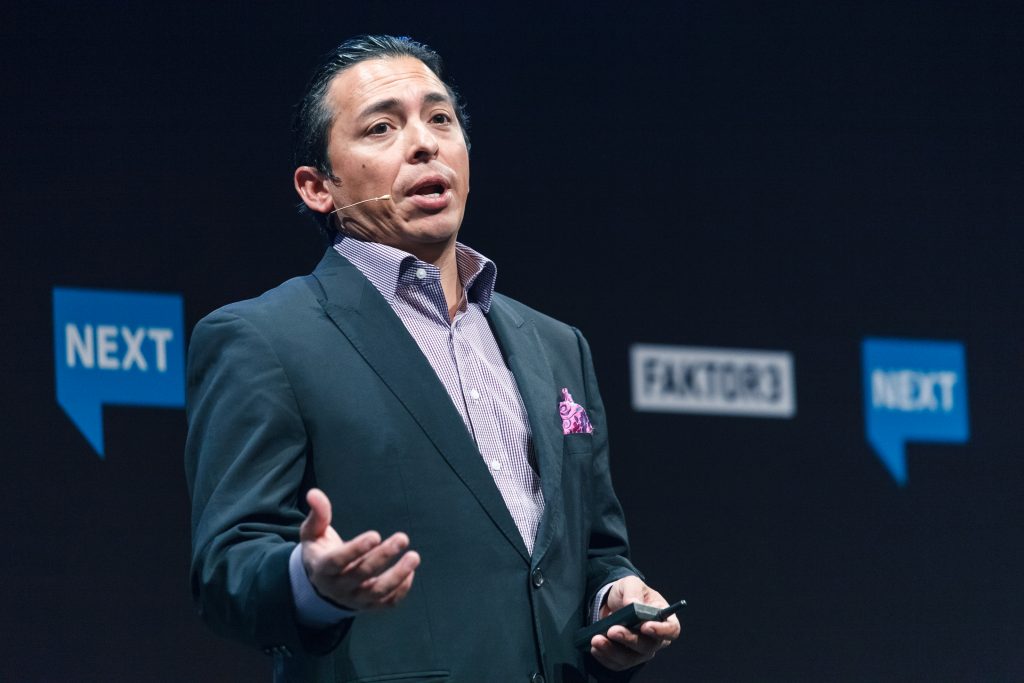
Lexology: VidCon 2018: What I Learned From My First VidCon Experience
At news aggregator Lexology, Farnaz Zanjani of Manatt Phelps & Phillips LLP recently wrote an overview of the 2018 VidCon conference, in particular citing Brian Solis’ keynote address.
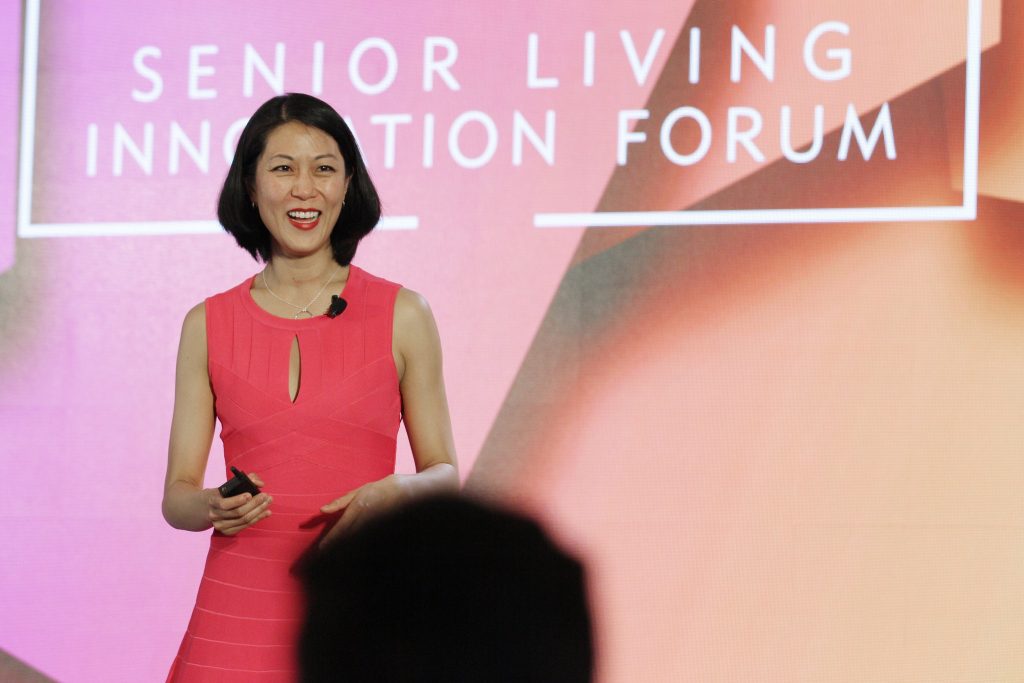
Senior Living Innovation Forum: SLIF Attendees Share What Excited & Concerns Them About the Future
The Senior Living Innovation Forum recently asked Brian Solis about what topics were exciting and concerning him these days when it comes to the future of the senior housing industry.
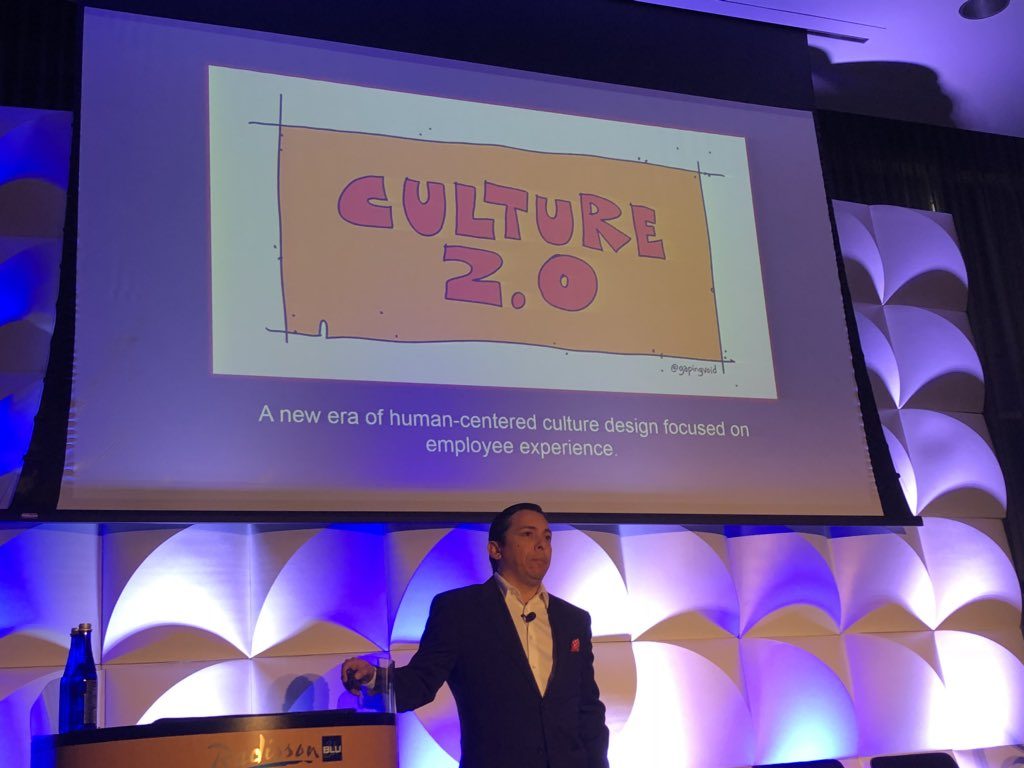
Strategic HCM Blog: #DWX18 Brian Solis on Culture 2.0
Jon Ingham at the industry blog Stragic HCM recently noted Brian Solis’ “Culture 2.0” talk as his favorite at the 2018 Digital Workplace Experience conference, and shared further thoughts on Solis’ key points.
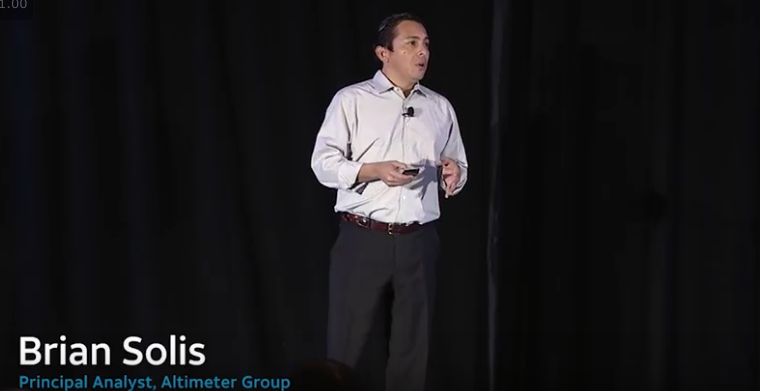
AT&T Business: Retail Gets a Digital Revamp
The AT&T Business blog recently shared a video of Brian Solis’ keynote address at the 2018 AT&T Business Summit, and recapped his top points.
Dinheiro Vivo: Influenciadores 2.0
Ana Rita Guerra of the Spanish-language Dinheiro Vivo blog recently did an overview of the 2018 VidCon conference, focusing particularly on what lessons can be learned from the recently disastrous Fyre Festival, and quotes extensively from Brian Solis’ event keynote address. Excerpt: A chave está, disse Solis, na criação de algo que o cliente percebe como útil. “A utilidade é o novo viral”, referiu, citando algumas percentagens de crescimento interessantes nas pesquisas do Google. Por exemplo, tanto a busca por…
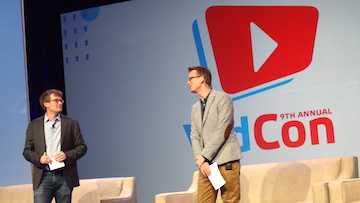
OnlineVideo.net: Welcome to Influencer Marketing 2.0: Notes from VidCon 2018
Troy Dreier of industry blog OnlineVideo.net recently filed a report from the 2018 VidCon conference, and devoted the majority of his article to Brian Solis’ event keynote address.
Contrary to Its Name, Digital Transformation is not Digital-First: An Interview with Steve Snyder of the Massachusetts Convention Center Authority
“To thrive in a digital economy, create a safe and empowered environment for employees to learn and take risks.” Technology may be at the core of digital transformation, but it’s severely limited in its promise if it’s not influenced by human beings. Yet, every day, companies invest in digital transformation strategies and roadmaps that are absent of human-centered insights and perspectives. On this episode of Digital Outliers, I sit down with Steve Snyder, CIO, Massachusetts Convention Center Authority to talk…