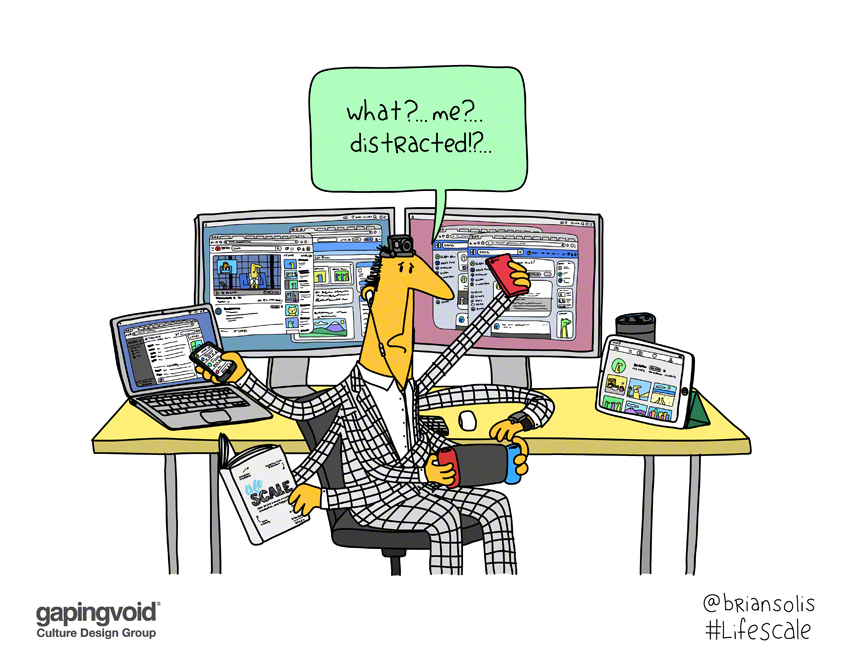
What?…Me?…Distracted!?… Yes. You. Us. We are all distracted and have been increasingly so for a long time. But, this isn’t a story about distraction. This is a story about how we, with the help of seductive tech and real-time experiences, disrupted our creativity, promise and happiness. To explain more, I wanted to share a very special conversation with my friends at Gapingvoid Culture Design Group. I’ve had the pleasure to work with them on some of the most creative project…
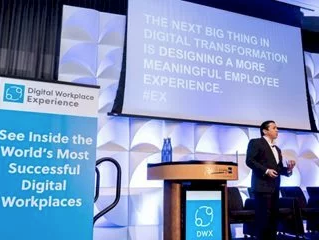
CMSWire: Takeaways from Digital Workplace Experience 2018
Dom Nicastro of industry blog CMSWire recently wrote an overview of the 2018 Digital Workplace Experience conference, in particular citing Brian Solis’ keynote address.
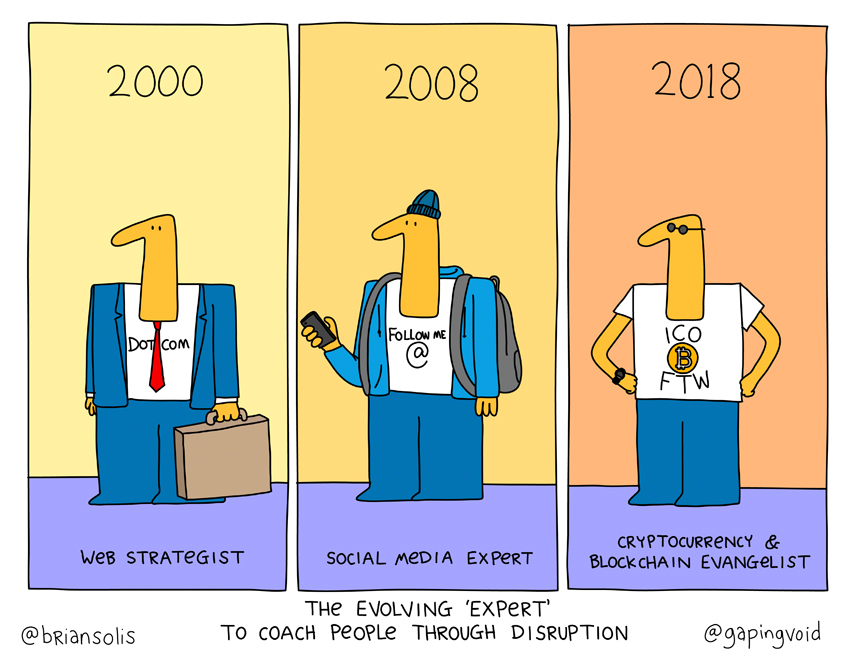
The Rise of Cryptocurrency and Blockchain Evangelists
Have you noticed the shift in focus of the evolving digital expert? We have… The Gapingvoid team and I have collaborated on many projects over the last decade. Our work has focused on prodding executives and entrepreneurs to think differently in their approaches to digital Darwinism and disruption. Whether we’re speaking to startups about the next big thing, attempting to humanize corporate culture and innovation or exploring ways to engage audiences in more meaningful ways, art and story carry our…
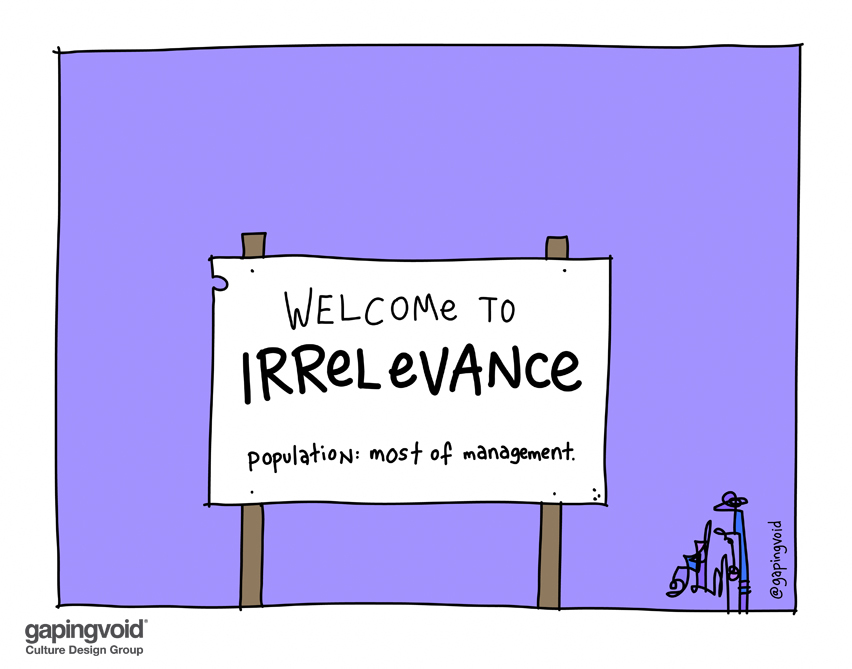
In Pursuit of Relevance
Welcome to irrelevance. Population: most of management by @gapingvoid and @briansolis What does it mean to be relevant today? We live and work in an era of digital Darwinism, where technology and society are evolving away from yesterday’s norms, mindsets, values, and behaviors. Most companies want to be customer and employee centric. Most executives believe that their work matters to employees and customers. But the reality is that customers and employees are changing as times, trends and tastes evolve. They’re…

Stop Talking About a Customer-Centered Culture and Build It Already
In 2016, I had the opportunity to visit my mother’s birthplace, Madrid, Spain, and keynote the inaugural Digital Business World Congress (DES). I was invited to present on the business implications of experience design and also the state and future of artificial intelligence (AI) and customer experience (CX). Leading up to the event, I was invited to participate in a media tour to promote my arrival in Spain. The topics ranged from digital transformation to CX to disruptive technologies to corporate innovation….
Business Innovation, Culture 2.0 and the Importance of Shared Experiences
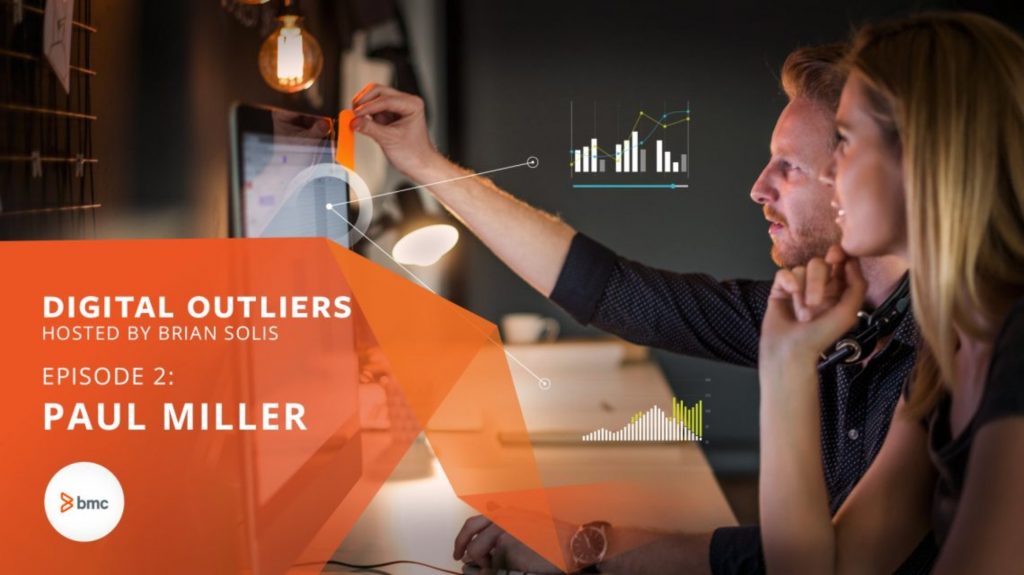
Leo Bottary is a well-known author and keynote speaker. He’s also a long-time friend of mine. For several years, I had the opportunity to tour the Vistage conferences as they toured the U.S. I nope to experience the opportunity to meet CEOs and senior executives on their home turf and hear their challenges and accomplishments again soon. Since I last spent time with him, Leo has launched a popular podcast, Year of the Peer, that explores the latest trends driving…
It’s Time to Bring Digital Literacy to the C-Suite: An Interview with Paul Miller of the Digital Workplace Group,
I think the next big thing following massive innovation on the CX front is EX…employee experience. But, to do so requires a level of inward empathy not usually found roaming the halls of the C-Suite. This is something though, I believe, will become more pronounced as the move to customer-centricity is more closely linked to employee-centricity. To do so however, requires that companies empower employees, giving them access to information, expertise, and the reward mechanisms they need to innovate and…
Boldly Go: The Confluence of Digital Transformation, Innovation, Culture and Experience
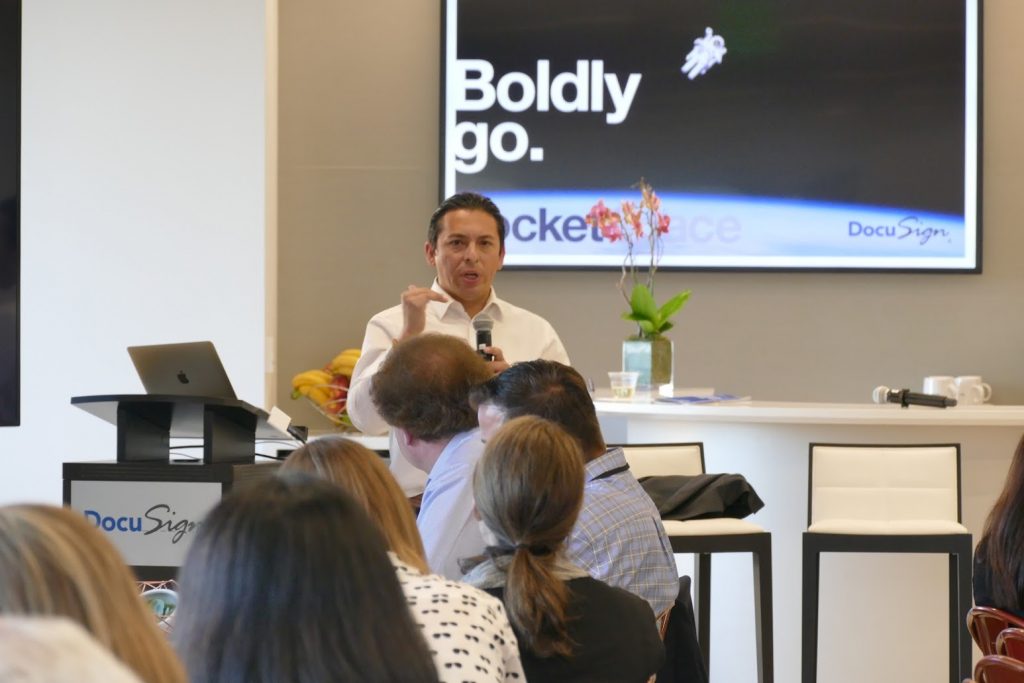
There are almost too many technology trends to track these days and it’s only getting more complicated to keep up. At some point, one must focus, dive deeper and learn. This year, I’m centering my research and speaking on a few different but complementary areas: Corporate Innovation Digital Transformation Digital Culture/Culture 2.0 X – Experience Design Recently, I had the opportunity to present a combination of all of the above at the RocketSpace Corporate Innovation Summit hosted by Docusign. It…

Would you make a decision to join or leave a company based on how you work?
Did you know that employees and employee prospects judge the immediate and long-term potential of a company by their reliance on desktop phones? To some it makes total sense. Why would any company have tethered devices to talk to someone else? Don’t we have mobile devices and apps for that? Besides, I’m always on the go. On the other hand, some might wonder as to why we would be having this conversation at all. Of course there are desktop phones!…
Culture is Either the Roadblock or Highway to Innovation – We Need Leadership not Management
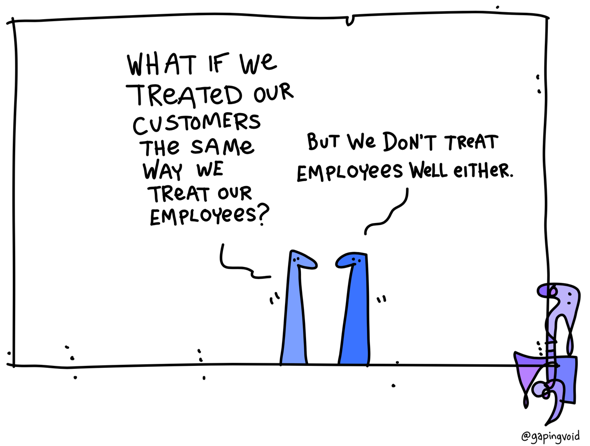
After studying customer experience, digital transformation and innovation for so many years, I’ve found that the next big thing in business (r)evolution is culture. The other most interesting thing I’ve learned is that while businesses are readying or investing in change, the definition of meaningful culture is elusive or inconsequential. Yet, company culture is either the number one catalyst or inhibitor to progress. Culture needs a champion. As Peter Drucker once famously said, “Culture eats strategy for breakfast…” Like most aspects in business, management…