I had the pleasure of speaking with M.Rauf Ates, founder of Fast Company Türkiye about research I helped lead with Harvard Business Review Analytical Services. In this conversation, we explore how to become a customer company, beyond the lip service. The research offers 8 steps to give meaning to business, operational, and digital transformation as informed by Ethan Allen, Kellogg’s, Kimberley-Clark, and Pacific Life. Below, I’ve included a translation using Google Translate. If you find errors, please let me know!…
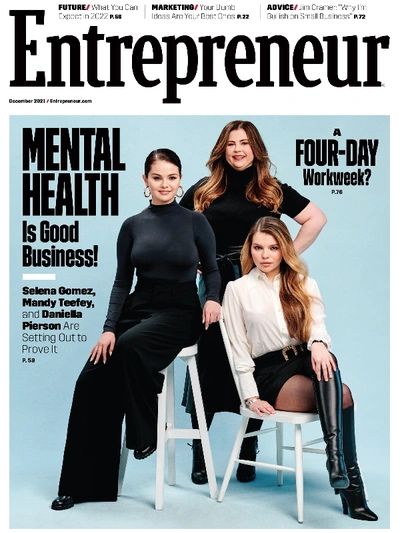
Entrepreneur: Your Top 4 Questions About 2022, Answered By the World’s Top Superforecasters
Adam Soccolich interviewed Brian Solis for the December 2021 issue of Entrepreneur. The article made the print edition and is also available at Entrepreneur.com (subscription required). Your Top 4 Questions About 2022, Answered By the World’s Top Superforecasters Consumer Behavior What will customers want or expect more of? Beyond the oft examined categories of millennials and centennials, a new generation of consumers that I call Gen N — thatʼs N for ‘novelʼ — are now driving business transformation. It comprises…

Giving CX Purpose: Shifting from Customer Experience to the Customer’s Experience
Customer experience is the new battleground for brands. How company’s deliver CX is either a competitive advantage or disadvantage. But, CX is so much more than how we think and talk about it, how we plan for and imagine its future, and how we invest in and support it. Perhaps it’s in how we frame it. We tend to observe it as mission critical, but we organize around it through distributed strategies across the organization. We enable disparate versions of…
Brian Solis Shares Importance of Customer Truth in TopRank’s B2B Social Media Marketing Trends & Predictions for 2020
Writer Ashley Zeckman’s piece poses the question: “Are marketers actually adapting their social media marketing approach at the rate that they should to be successful?” and then asks Digital Analyst Solis and 12 other social media marketing expects their predictions for social media as we enter a new decade. Solis urges markets to embrace The Truth of the Customer. “Social media has become an online reflection of a fractured society. In 2020, social media will experience its worst polarization yet……

EA Puts Customers and Data at the Center of its Innovative Marketing Organizational Model
EA CMO Chris Bruzzo sees the direct relationships between customer experience, data, user experience and marketing as a new operational mode. That’s what I call X. Marketers who prioritize customer data in their work will find new opportunities to deeply engage their customers on a personalized level. And that’s what customers are now expecting from their favorite brands. But, marketers who simply use new technology to be on trend will find themselves limited to the same old thinking and results….

Humanizing CX: Shifting from Customer Experience to the Customer’s Experience
Customer experience is powerful because it consists of two important ingredients, 1) people and 2) emotions. When we talk about CX as a matter of purpose and strategy, this is exactly where the phrases “put customers at the center of our business” and becoming “customer-centric” can and should come to life. But honestly, we don’t really design for people or emotions today. We design for what we think of as customer intent and in turn, invest in touchpoints, conversions, transactions…

The End of Business as Usual Rewire the Way You Work to Succeed in the Consumer Revolution – GetAbstract
For those who don’t have the time to read an entire book, but still need the benefits of doing so, I present to you…GetAbstract. I’m proud to announce that The End of Business as Usual Rewire the Way You Work to Succeed in the Consumer Revolution is now available, along with X, WTF, Engage!, and others! — Before the Internet and social media, consumers who didn’t like a store told a few friends, sent an angry letter or just never…
Solving for X: The Rise of Experience Innovation
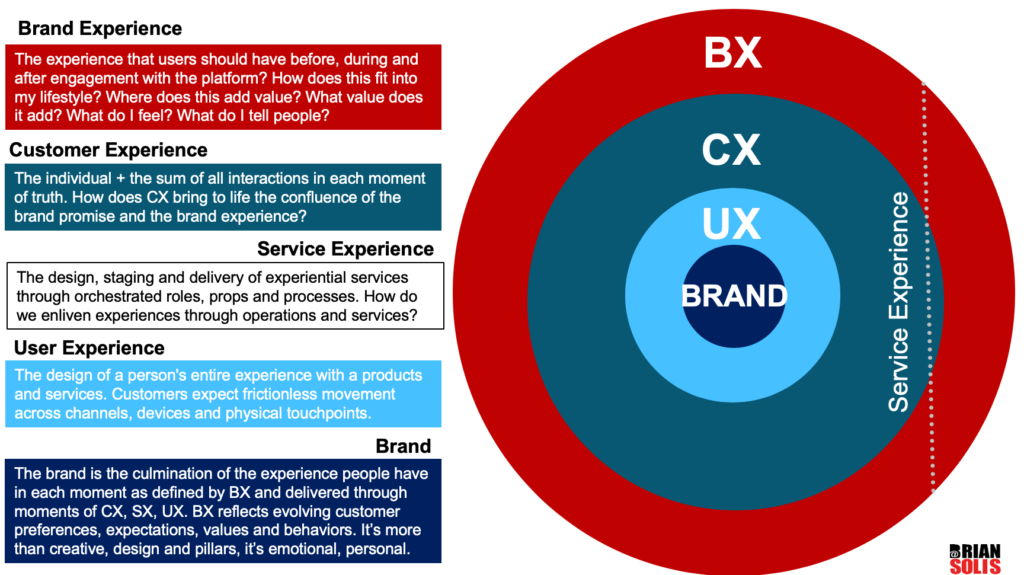
I’ve known Judith Aquino for several years now. Her work in customer experience is extensive and her connections in the space are deep. Shortly after the release of X: The Experience When Business Meets Design, I caught up with Judith to talk about the rise of experience innovation. She published our conversation in Customer Strategist, and I was able to get a downloadable PDF as well. I wanted to share our conversation with you… Solving for X: Why the Future…
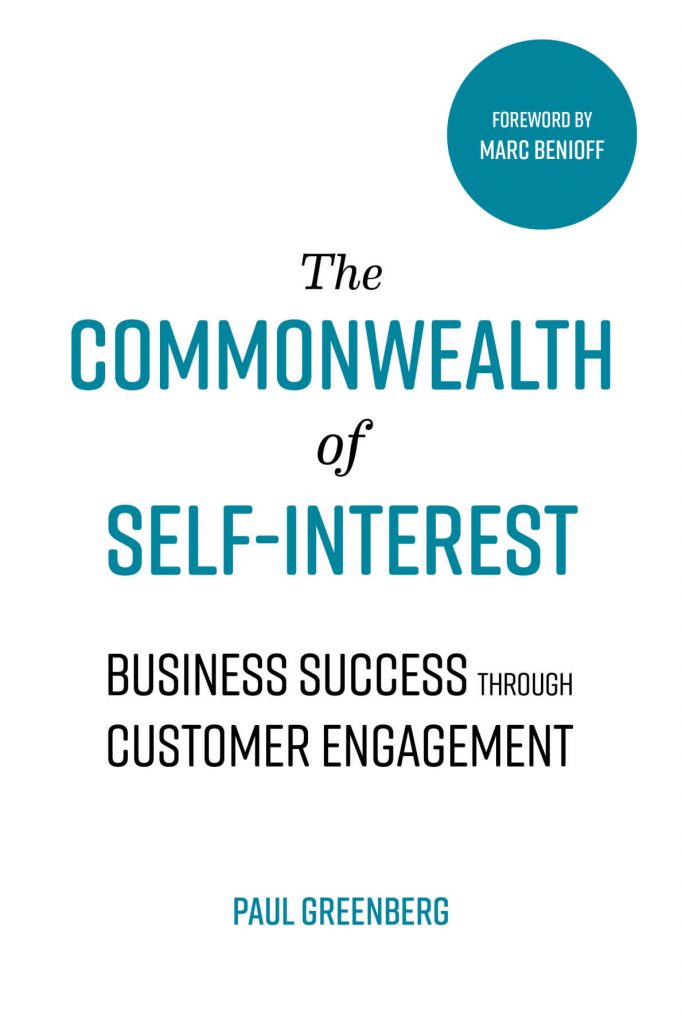
The Future of Customer Engagement Starts with an Upgrade in Human Perspective
Have you ever met someone with whom you instantly connect? Someone so welcoming yet wise and humble but so special that you become instantly inseparable…that they make you better and maybe you help them become better too? That’s my very special relationship with Paul Greenberg. Over the last few years, Paul’s set out to release his latest masterpiece, “The Commonwealth of Self-Interest.” He invited some of his closest friends to contribute including Bruce Temkin, Ray Wang,…
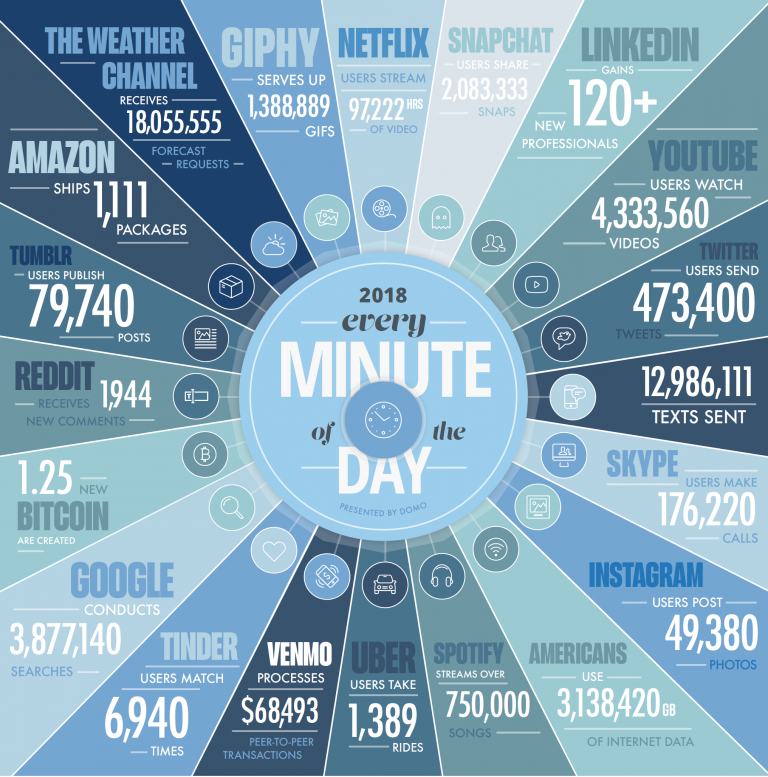
The Financial Brand – Top 9 Digital Consumer Trends for Financial Marketers in 2019
“The question is no longer just about how to ensure brands appear in key search moments online,” says Brian Solis, ” but also about the type of role brands should play in the conversation – including how they influence and affirm the experiences people are seeking in real life.”