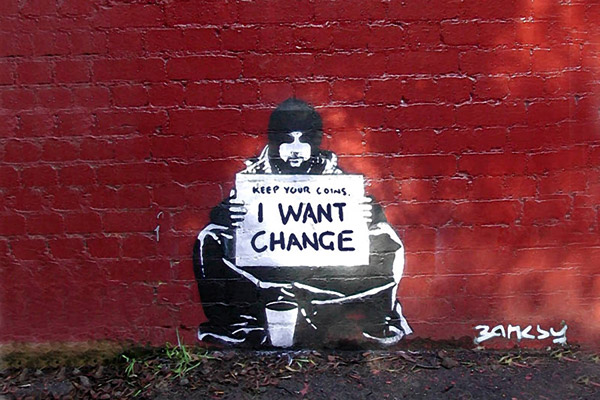
The following discussion represents Part 2 of my conversation with Loyalty360 CEO and CMO Mark Johnson. In this last part of the series, Change Starts with You Altimeter Group’s Principal Analyst Brian Solis is dedicated to creating change within brands and bringing customer experience into the spotlight. The first step, Solis told Loyalty360 in a recent discussion, is to define the CX problem and use that to guide solutions. More specifically, he challenged businesses to rethink what CX really means across the…

It’s Time to Change How Companies Perceive Customer Experience (CX)
Last year, I spent time with Mark Johnson, CEO and CMO of Loyalty360, to discuss all things Customer Experience (CX). The conversation was so rich, it resulted into a two-part series exclusively for the Loyalty360 community. Now however, I’ve been given the green light to share the conversation (parts 1 and 2) with you here. Part 1 – This is the Year of Customer Experience If you ask 100 executives what customer experience means to them, you would likely get 100 different answers. The need to…

Wynn Las Vegas Hires Digital Butlers, Places Amazon Echo in 4,748 Guest Rooms
Many hotels offer USAToday for guests. Now guests at the Wynn Las Vegas will simply say, “Alexa, read today’s USAToday headlines.” I believe the future of any brand is directly tied to the experiences they design and deliver consistently through the customer lifecycle. It’s not just any one thing, it’s everything. That’s the definition of customer experience after all. It’s not the technology company’s invest in, nor the touch points they modernize, nor the new policies and processes they introduce…

Human-Centered CX: Uniting Stakeholders Across the Enterprise to Deliver a Relevant and Holistic Customer Experience
Customer experience is said to be a top business priority for most companies around the world. Many experts agree that investing in CX establishes a competitive advantage against companies that prioritize the bottom line. While customer experience is a noble and important catalyst for business transformation, becoming truly customer-centric requires an introspective approach. This takes stepping back to define what customer experience really means from the customer perspective, what they truly value and also what’s primed, broken or missing to…

Innovation in Customer Experience Starts with a Shift in Perspective
While traveling Europe this year, I met Silvia Hänig who was writing a story for Haufe.de about customer experience. She followed up our initial conversation with the questions below. Instead of shooting back quick answers, I took the time, maybe too much time, to thoughtfully reply as if I were going to share the exchange with everyone. And, that’s what I’m doing here. I hope it helps you… Mister Solis, why is it so difficult to create Customer Experience (CX) for…
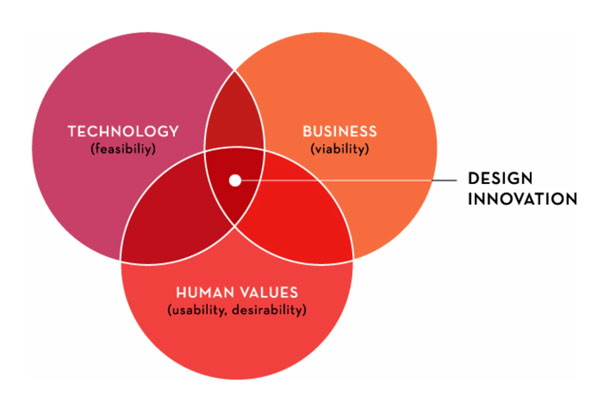
Human-centered CX: Uniting stakeholders across the enterprise
Customer experience is said to be a top business priority for most companies around the world. Many experts agree that investing in CX establishes a competitive advantage against companies that choose to solely prioritise the bottom line. While customer experience is a noble and important catalyst for business transformation, becoming truly customer-centric requires an introspective approach. This takes stepping back to define what customer experience really means from the customer’s perspective – what they truly value and also what’s primed,…

Building a Brand Through Experience Design
Recently, I had the good fortune of conducting a joint interview with Don Schuerman, chief technology officer and vice president of product marketing at Pegasystems on the topic of customer experience. Don brought an intriguing perspective to the table from more than 20 years on the technology side, working directly with companies to operationalize digital initiatives. You can listen to the interview here, but I also wanted to share some highlights from the conversation: The market is changing, whether we like it or not: Customer expectations…
Here’s a Marketing Prediction That Serves More as a Clarion Call
Each year, my good friend Bryan Kramer assembles an incredible group of experts across several sectors to share their marketing predictions for the next year. The diversity of forecasts and observations is really worth exploring. I’ll share mine with you here… Quite honestly, we’ll see more of the same patterns we’ve seen in previous predictions…new platforms, new ways to engage, new data sources and tools to improve accuracy, metrics, frequency and reach. My prediction is more of a clarion call…
The Moment of Truth: Connected Customers and How to Re-Imagine Customer Experiences
And then one day, it happened. Customers changed. How they make decisions changed. What they value and how they want to do business changed. The funny thing is…we didn’t. Now we can and a new generation of technologies and services make it possible to not only react but lead customer experiences moving forward. To effectively compete in the digital economy, you are left with no choice; become customer-obsessed or lose! Every moment-of-truth counts when it comes to customer loyalty. For…
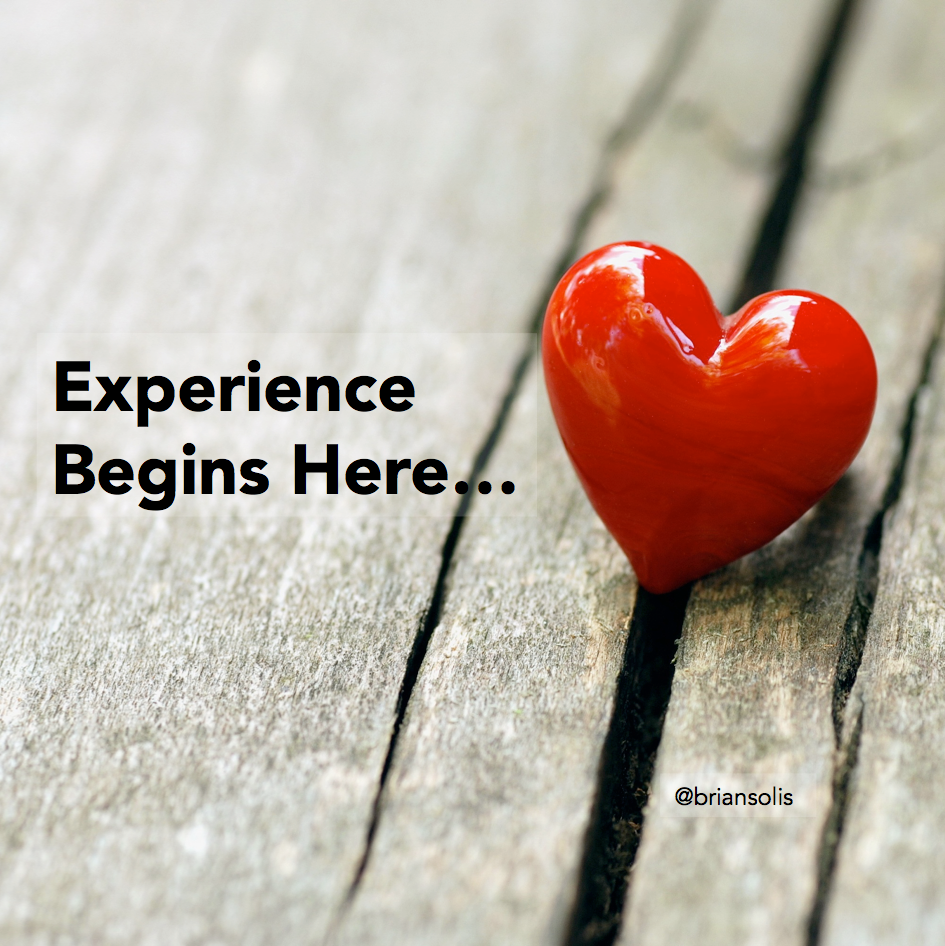
Experience Begins Here
Experience is becoming more important than the product itself. What is experience? It’s not a thing, it’s everything. It’s an embrace and an emotional ecosystem that requires purpose, thoughtfulness and mastery. More so, experience requires architecture and a supporting ecosystem to deliver more than features, utility or capability. And, it starts here: <3 We must flip our everyday approach from brand-centricity to customer-centricity. Think beyond budgets, approvals and technology and creativity for the sake of technology and creativity. That’s what…