
The thing I really like about my work is the ability to see the things that most of us are just too busy — or maybe distracted or biased — to see in order to bring people together for a greater purpose. These are the wonderful words of Brian Solis, Head of Global Innovation at ServiceNow, keynote speaker, and 8x best-selling author, on what inspires him in his work. It can be easy for anyone working in marketing, sales, or…
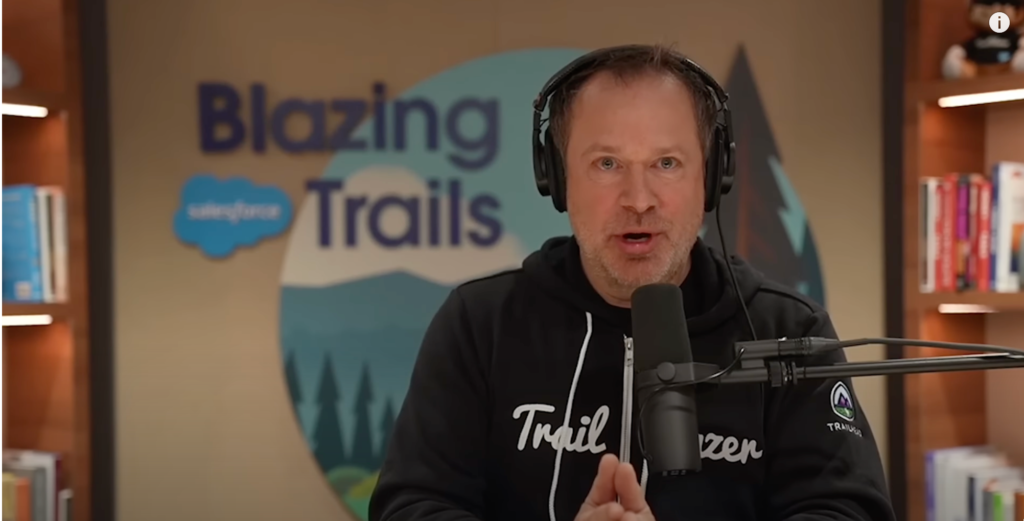
A Conversation About How Automation and AI Deliver Success Now for Service Teams
Today’s service leaders are struggling to meet growing customer expectations amid a 19% average annual turnover rate and tightening operational budgets. But Salesforce Service Cloud CEO Clara Shih and VP, Global Innovation, Brian Solis see automation and AI as a solution. On this episode they explain how you can drive growth by empowering agents to do more with less, increase efficiencies by streamlining time-intensive processes, and deliver immediate cost savings to organizations across every industry. Watch to find out more!…

Customer service teams feel more empowered by automation and artificial intelligence
Via Salesforce Today’s service leaders are struggling to meet growing customer expectations amid a 19% average annual turnover rate and tightening operational budgets. Salesforce Service Cloud CEO Clara Shihand Global Innovation Evangelist Brian Solis see automation and AI as a solution. Why it’s important: Shih and Solis, who recently joined the Blazing Trails Podcast, discussed how service teams feel more empowered by technology, and backed their statements up with data from Salesforce’s latest State of Service report. The Salesforce perspective:…
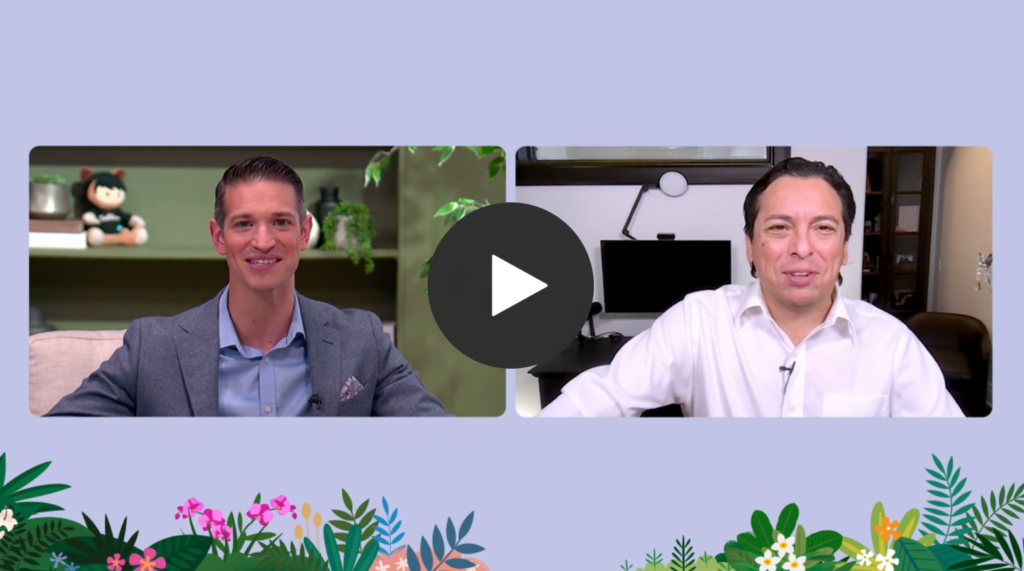
How do we make customer-centricity more than a tagline?
Business as a construct needs a reset! And our current disruption is that moment. In this special Salesforce Executive Conversation, VP and global innovation evangelist Brian Solis and Leandro Perez, Vice President of Marketing for Salesforce Asia Pacific, explain the new mindset required for true customer-centricity, and how humanizing technology can put the magic back into customer service. Everything is different from the way we used to work yesterday. When we innovate by creating new value, using service to get…

Giving CX Purpose: Shifting from Customer Experience to the Customer’s Experience
Customer experience is the new battleground for brands. How company’s deliver CX is either a competitive advantage or disadvantage. But, CX is so much more than how we think and talk about it, how we plan for and imagine its future, and how we invest in and support it. Perhaps it’s in how we frame it. We tend to observe it as mission critical, but we organize around it through distributed strategies across the organization. We enable disparate versions of…

Google’s Meena Chatbot Could Humanize Conversational AI, But Are Enterprises Ready to Invest in More Intuitive Digital Customer Experiences
TechTarget’s Don Fluckinger is a friend and a highly regarded tech journalist. He recently rounded up dome of the industry’s leading CX and AI experts to explore Google Meena’s next-generation conversational AI. He always brings together a great group for a productive and thoughtful conversation! For context, chatbots today are largely used in rule-based engagements, sitting on top of structured data to perform a set of focused operations. They connect customers to common information or facilitate everyday transactions. In the more effective…

TechTarget Asks Brian Solis About Google’s Meena AI Chatbot and Its Role in CX Innovation
TechTarget’s Don Fluckinger rounded up industry experts to explore Google Meena’s next-generation conversational AI. He always brings together a great group for a productive and thoughtful conversation. Leading digital analyst Brian Solis believes that Meena represents a potentially significant leap forward in conversational AI. Today, chatbots are largely used in rule-based engagements, sitting on top of structured data to perform a set of limited operations. They connect customers to common information or facilitate everyday transactions. In the more effective cases, AI is…
CBT Automotive Network Features Brian Solis in An Article on The Auto Industry and the “On-Demand Society”
Solis is prominently mentioned in an article on the CBT Automotive Network by Glenn Pasch entitled, “Is the automotive industry forgetting how to connect?” The author begins his piece by mentioning pundits who are talking about the new face of business – technology, connectivity, speed and customization. He then writes, “I was listening to a podcast from Brian Solis and he mentioned the term ‘On-Demand Society’ while discussing Uber and its effect on not just business, but the economy in…
The Much Overdue Rise of Experience and Service Innovation
The number of fantastic experiences we have with businesses in moments of truth, usually in time of need and help, are so isolated, that we tend to remember and talk about them over and over again. Most of the time, when we need support, the cumulative experience is nothing short of abysmal. In most cases, we have to schedule time and work up the nerve to contact the companies we give money to just to gain some level of already expected…

Brian Solis Shares How Innovation Can Transform Your Brand With Retail Touchpoints
In an interview with Alicia Esposito of Retail Touchpoints that appeared on the Salesforce blog, Solis focused on transforming your brand in commerce, marketing, customer service and even holiday readiness. First, he discusses the “experience economy,” a phrase coined by Joe Pine and James Gilmore in their book The Experience Economy. Solis said, “Today, your brand is defined by the experiences people have and share, which is completely different than in the past. If people are going to have an…