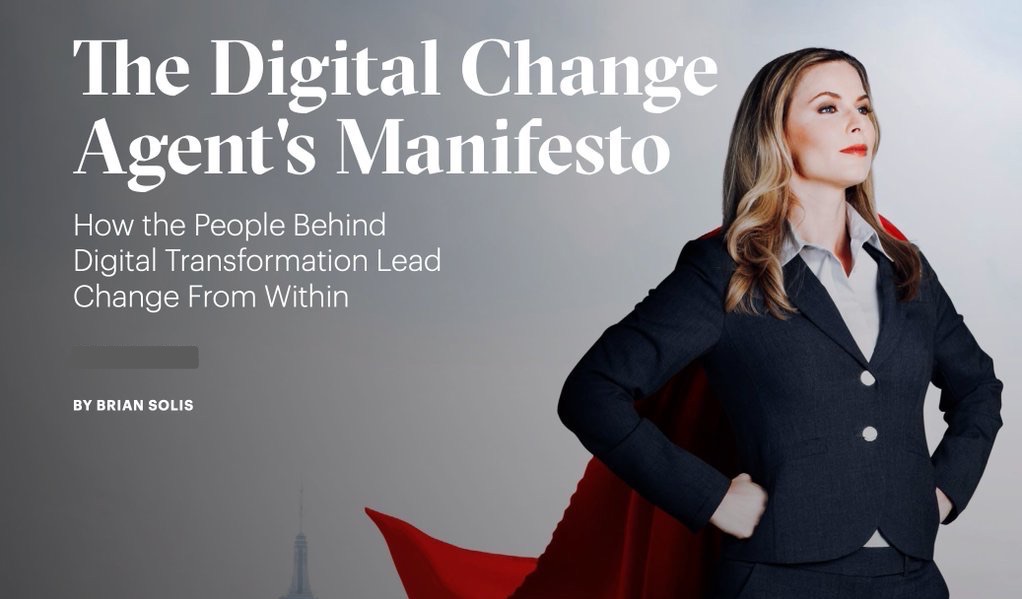
Several years ago, I published research that I believe is actually more meaningful today. In a post-pandemic world where every company is accelerating digital transformation, executives cannot miss the opportunity to transform their business for a new economy. “Leaders must reassess how digital technologies and information can create new customer value. The alternative is to try to succeed in a digital economy with a pre-digital value proposition.” – Jeanne Ross, organizational theorist, principal research scientist at MIT Sloan School of…
How to Transform in a Time of Uncertainty; The Path to Personal and Professional ROI (Return on Innovation)
The following was written as a prelude to a keynote presentation for a global company undergoing massive transformation. May it also inspire you in your work to bring about meaningful change… Change isn’t easy. This is why “business as usual” constistently becomes the status quo. Unless we decide to move in a new direction, nothing really changes. No matter our experience and beliefs, no matter how many new things we surround ourselves with, we aren’t really moving in a new…
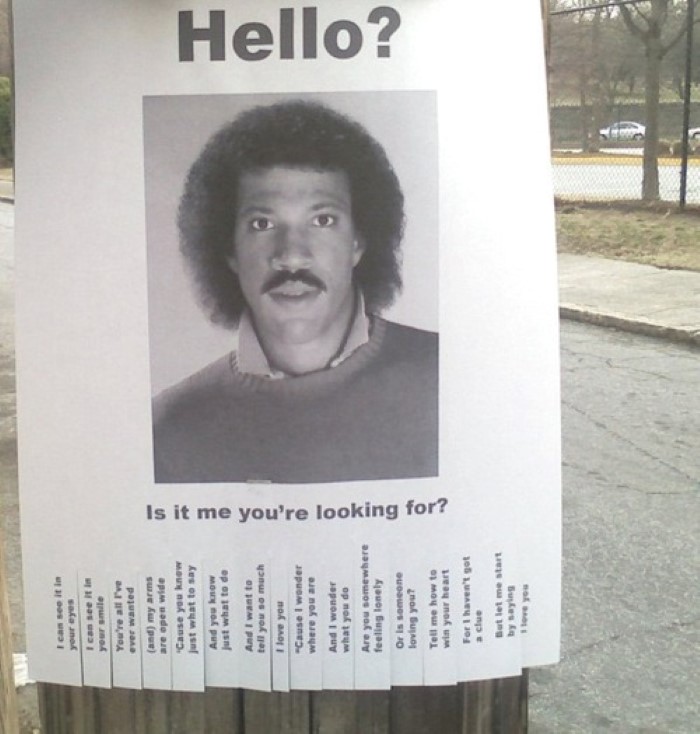
Speaking To and Through People You Hope to Inspire: Analog-to-Digital Street Flyers That Hit Different
This is the week of SXSW 2021. Even though it’s a virtual event this year, it is still a special community bound by the spirit of entrepreneurship, creativity, ideation, friendship, and tacos (+ BBQ, queso, pedicabs, and late nights!) Since this is a very special week, I wanted to share a story with you that I don’t think I’ve ever talked about. Every year, going back to, 2007 I think, JESS3 and I would legally (on plastic coverings) post creative…
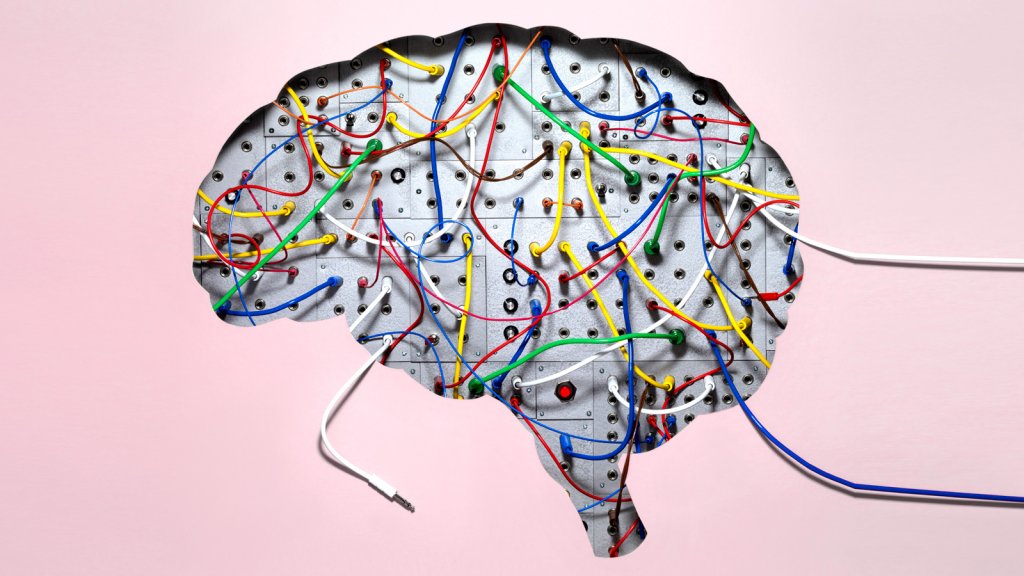
Rewired for Distractions vs. Rewiring for Intent
Part of me wishes that LifeScale was released in 2020. I know, I know, it’s not the most popular year. But it is the year that we were, en masse, informed about our “social dilemma” and also further thrust into living a digital-first life at work and at home, which basically became the same thing, i.e. WFH, WFHLife, work from home, work from anywhere, remote work, et al. Early in 2020, as lockdowns were in their initial onset (in some…
Brand Innovation in the Novel Economy
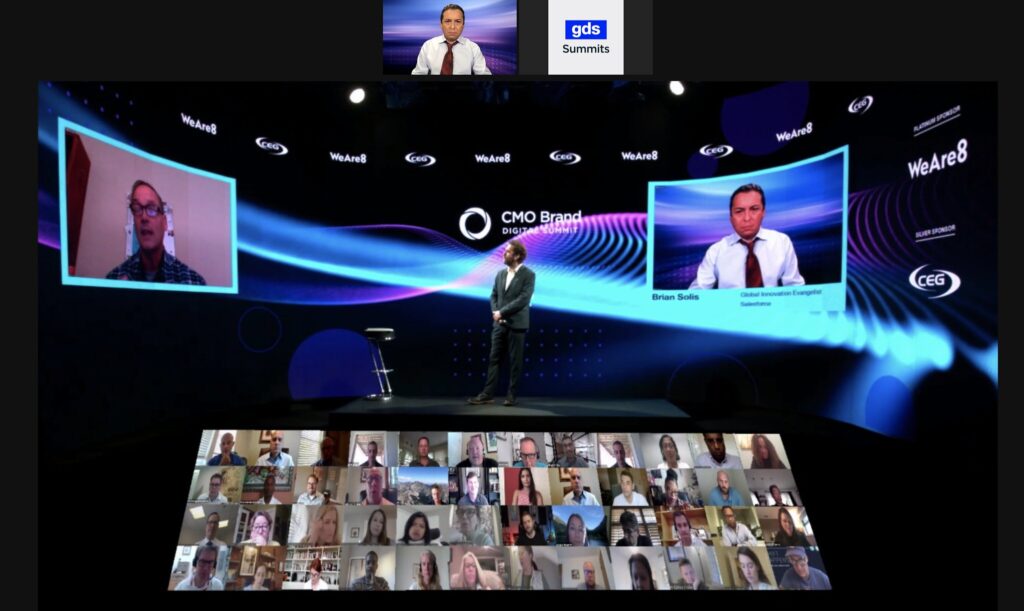
In Q4 2020, I was given the opportunity to keynote the CMO Brand Digital Summit. My topic was “Brand Innovation in the Novel Economy: Taking Cues from Generation-N to Rethink Brand Pillars as a Competitive Advantage.” Leading up to the event, I spent some time with GDS’ Claudia Effra-Hume to explore the topic ahead of the conference. The result is a series of videos ranging from 10 seconds to one minute that answer some very important questions heading into 2021….
It’s Time to Humanize Your Brand
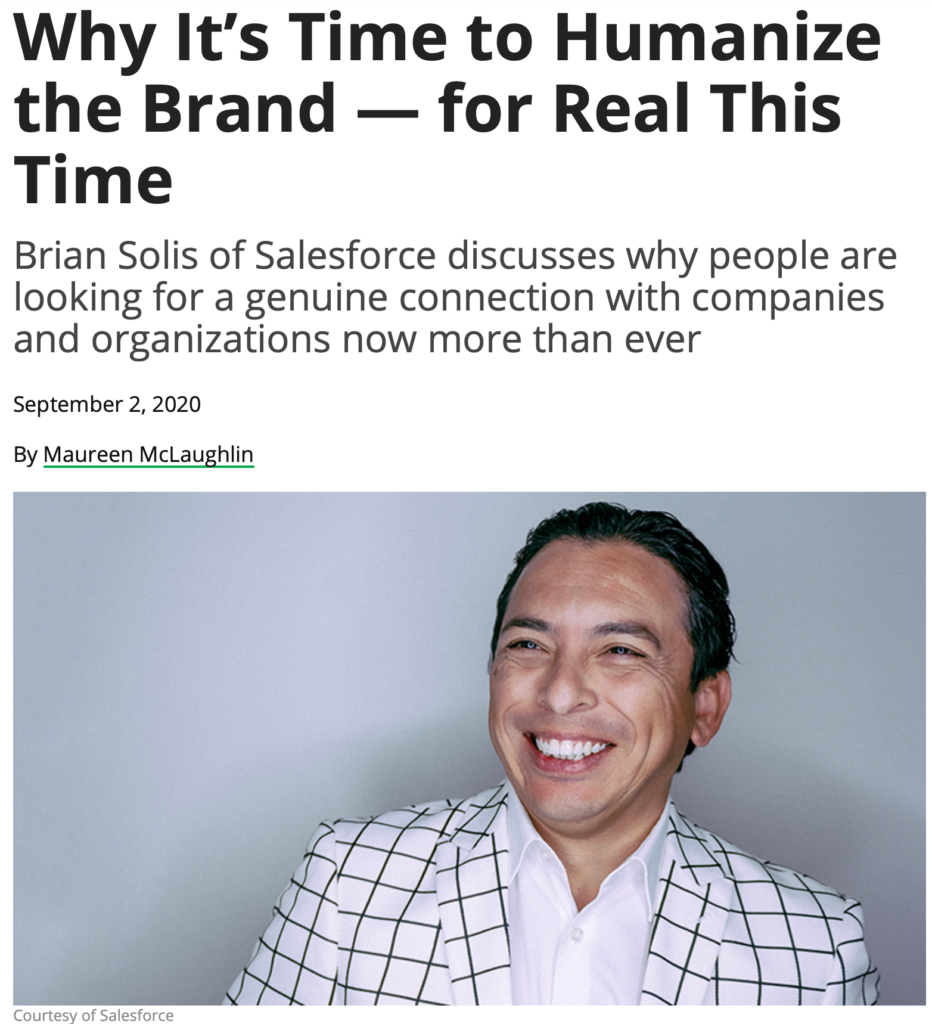
The Association of National Advertisers (ANA) featured an interview with Brian Solis, global innovation evangelist at Salesforce. We wanted to share the interview with you here… Brian Solis, global innovation evangelist at Salesforce, doesn’t mince words when it comes to how the coronavirus will change the way brands and organizations present themselves to the public. “If this pandemic has shown us anything, it’s that it’s time to add several new pillars to the brand that allow it to become much…
Introducing Generation-N, The New Customer Defining the Novel Economy
Meet Generation-Novel, the new critical customer segment created by the pandemic. Before COVID (BC), your customer was already living a digital ritual of mobile, social, real-time for work, play and endless sharing and consumption. Now, with shelter in place and general fear of getting sick, customers are only becoming more and more digital. It’s not just for the early adopters or younger generations. Everyone is becoming equally digital because they have to. But it’s not just about tech and the…
How B2B Influence Adds Value to Business Customers
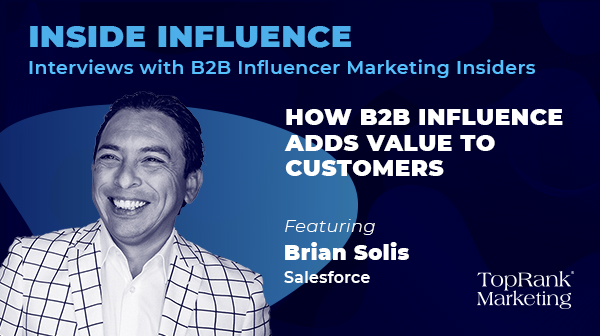
Lee Odden and I have been friends for over a decade. He’s super smart, a pioneer in digital discovery and influence, and a wonderful human being. We recently worked together on the 2020 State of B2B Influence Marketing Report. And, to celebrate its launch, we shared a moment together diving into the world of B2B influence. I wanted to share it with you here…transcript and video below. In Episode 9 of Inside Influence, host Lee Odden of TopRank Marketing talks…

Distracted: A Modern Manual for Living a Creative, Productive, and Happy Life in the Digital Age
Somewhere along the way, we got distracted. As much as we multitask, love our devices and feel like we’re in control, deep down we know that something is off. Shortened attention spans, declines in critical thinking, lack of sleep, self-doubt and decreased creativity are just some of the effects coming to light in an age of digital distraction. It’s time to reclaim our lives. It’s time to take control. We are the first generation to deal with tech overload. All…
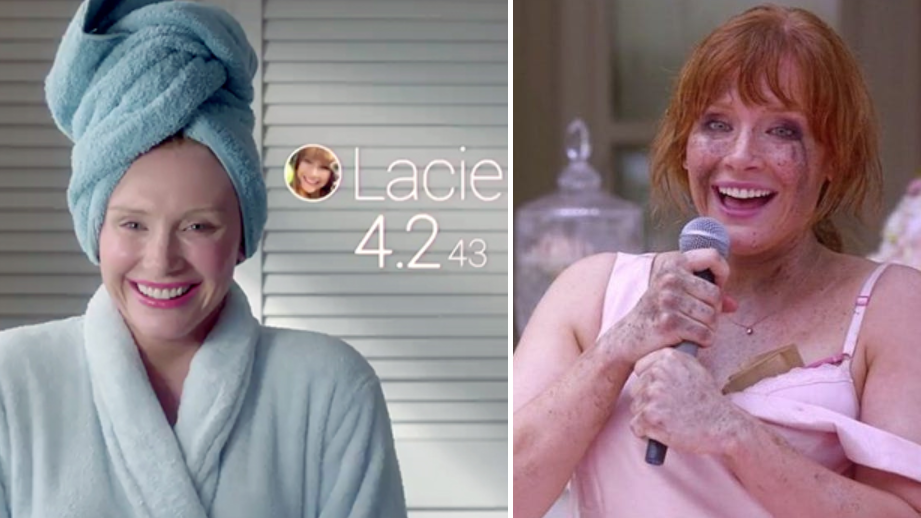
Your Online Behavior Funds a Social Currency and Creates a Digital Credit Score
The Black Mirror “Nosedive” episode is a very real depiction of a possible future of our digital and physical worlds. In fact, there are semblances of it forming in China right now. How you use social media can be collected into a social credit score. Your rating on Uber or Lyft aren’t the only systems tracking your digital behavior and transactions. What you create and curate, what you do, what you say, what you don’t say, who you know, can…