
The blog of marketing company iperceptions recently did a round-up of interesting customer experience articles around the web, and included Brian Solis’ essay on how brands must look beyond merely having a mobile presence.

Digital Signage Today: McDonald’s and interactivity claim top September 2018 headlines
Industry publication Digital Signage Today recently did a roundup of their most popular September 2018 stories, quoting extensively from Brian Solis’ thoughts on customer engagement.

Digital Signage Today: 2 keys to digital signage engagement
Industry publication Digital Signage Today recently did an interview with Brian Solis about how companies can better engage their customers through signage.
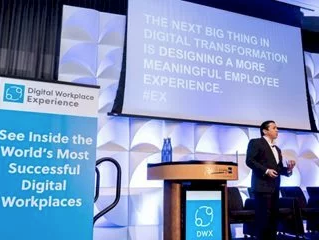
CMSWire: Takeaways from Digital Workplace Experience 2018
Dom Nicastro of industry blog CMSWire recently wrote an overview of the 2018 Digital Workplace Experience conference, in particular citing Brian Solis’ keynote address.
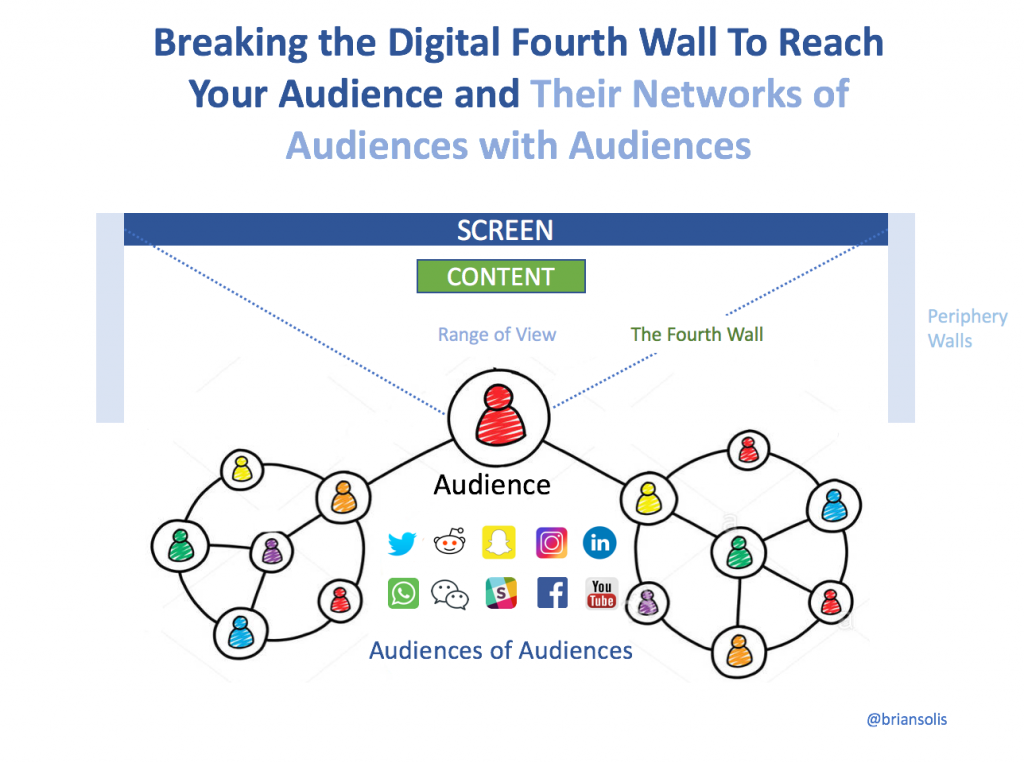
Breaking the Digital Fourth Wall Through Experiential Storytelling
The fourth wall is the space that separates a performer or performance from an audience. A character, actor, author or storyteller “breaks the fourth wall” when they address the audience directly. As an analyst, author, blogger, podcaster and creator, I am by default, in the content business. Dedicating time to produce my work matters not if no one happens upon it. But once someone discovers my work, it must convincingly pierce the fourth wall between the medium and them to…

Facebook Borrows Key Feature from Snapchat to Help Brands and Customers Connect
Conversations about the eventual demise of Facebook are greatly exaggerated. Each week it seems, Facebook finds interesting ways to improve engagement on its platforms by either innovating, acquiring or borrowing new features. Did you know that 900 million people use Facebook Messenger every month? Beyond everyday conversation, Facebook sees a promising opportunity for businesses. In fact, over one billion messages are sent between people and businesses on Messenger each month. The team at Facebook aims to help businesses benefit from further promoting…

Do employees hold the keys to Customer Experience?
Guest post by Gib Bassett (@gibbassett), gib.bassett@oracle.com “Companies will invest in digital customer experiences to improve experiences for all customers and employees.” – Brian Solis I’m a huge proponent of the power of digital transformation to help brick and mortar retailers adapt to a world where Amazon dominates e-commerce and is beginning to make inroads into physical retail. The technologies of digital engagement and Big Data Analytics bring much needed parity to traditional retailers’ efforts to create and deliver a…

To Deliver a Great Customer Experience, Stop Focusing on the Customer You Think You Know
Guest post by Rajat Paharia (@rajatrocks), founder and chief products officer, Bunchball and author of Loyalty 3.0: How to Revolutionize Customer and Employee Engagement with Big Data and Gamification 2015 promises to be The Year of Customer Experience. Companies around the globe are resolving to become more customer-centric because, as Brian lays out quite eloquently in his book: “Now’s the time for an investment in something more than price, performance, or value. The future of business is about creating experience,…

Employees are as or More Important Than Customers: Why Ignoring Employee Engagement Hurts Business
In a late 2013 study, Gallup found that only 13% of workers actually feel engaged at their jobs. What’s worse is that 63% of the workforce is not engaged at all. But wait, the news gets even more disheartening. An astounding 24%, one-quarter of the global workforce, is actively disengaged right now. Essentially we have a significant number of workers doing their best impression of corporate zombies who go through the everyday motions to collect a paycheck. So are employees…
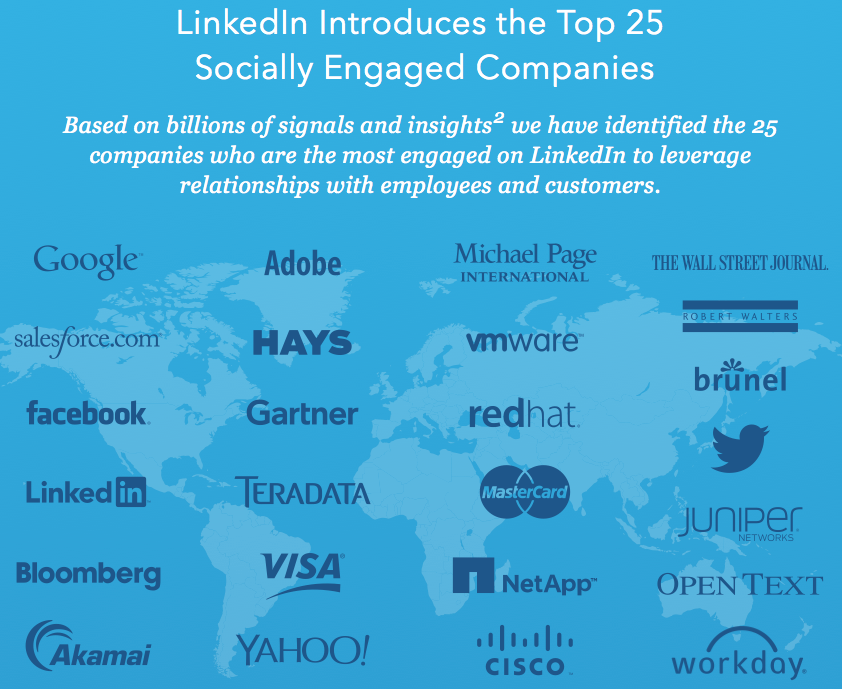
The Top 25 Socially Engaged Companies on LinkedIn Invest in Employee and Customer Relationships
LinkedIn and Altimeter Group published a joint report on the value of corporate social media and its role in customer and employee engagement. To do, we formed a baseline of companies that were actively engaged on a platform we could effectively study. After eight months of research, we assembled a list of the Top 25 Socially Engaged Companies based on how they use LinkedIn to engage employees and customers in the following areas: 1. Content marketing 2. Employee engagement 3….