A nice start to 2026! “X: The Experience When Business Meets Design” named is a reference book in shaping the future of brand, marketing, and experience via Infonegocios Miami! 🙏 Expertos y Libros de Referencia: Seth Godin (“This is Marketing”) Simon Sinek (“Start with Why”) Brian Solis (“X: The Experience When Business Meets Design”) Ann Handley (“Everybody Writes”) Case studies: Red Bull, Tesla, Patagonia, Glossier, Netflix
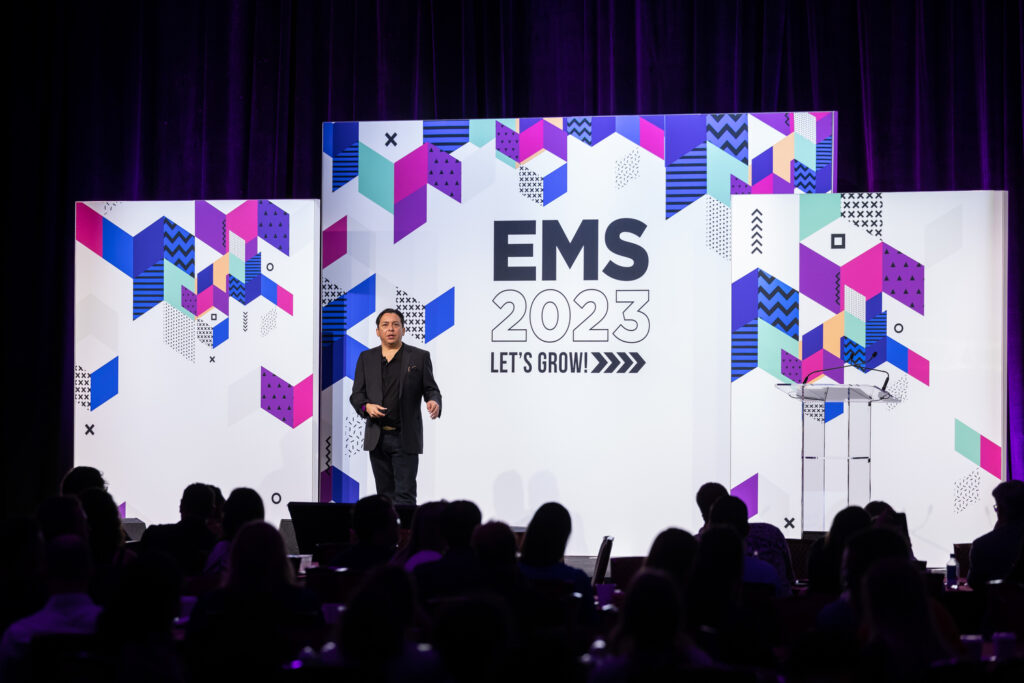
Event Marketer Features Keynote Highlights from Brian Solis on the Future of Experience Design and Innovation at EMS 2023
Brian Solis delivered the keynote speech at EMS 2023 in Las Vegas, the leading conference for creators of the brand experience. Solis’ keynote focused on “Creating Next Generation Customer Experiences” by reimagining the art and science of experience design. His mission was to help experience architects create more innovative, immersive, and memorable experiences. He shared insights from Disney imagineers and storyboard artists, Apple’s UI and UX spatial computing methodologies, and the role of memories in experience. Event Marketer magazine also…
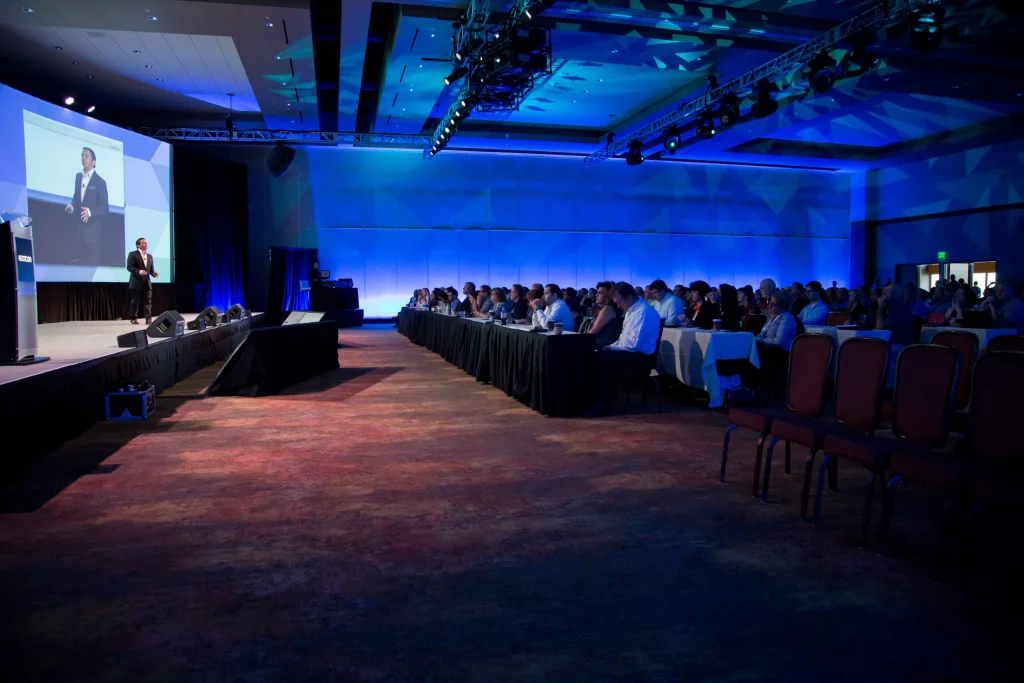
Watch: The Future of Experience Design – exploring the need for human-centered experiences
Via Itamar Medeiros Brian Solis explores the need for human-centered experiences and aims to help executives shift mindsets toward the future. While everyone talks about Customer Experience (CX) as the new black, most companies miss the real opportunity to be customer-centric. They don’t actually think about experiences from the perspective of the people they want to reach. Customers are evolving. Business processes and mindsets are not keeping up. As a result, they’re limited in the ability to design experiences that…

Upgrading the Airport Experience for Travelers – Airport Experience Conference
Via Shafer Ross, Airport Experience News Brian Solis keynoted the Airport Experience Conference in Orlando, Florida. Following is a summary of his presentation, “Digital Disruption And The Post-Pandemic Consumer.” Following his presentation, Brian also signed copies of his best-selling book, “X: The Experience When Business Meets Design.” AXC Keynote Solis Suggests Brands Redesign the Airport Experience Special Coverage: 2022 AX Conference Brian Solis is a digital analyst and anthropologist and Global Innovation Evangelist at Salesforce who took the stage at…
Customers are the Ultimate Influencers; The Value of a Shared Experiences and How To Measure Them
After releasing, What’s the Future of Business: Changing the Way Businesses Create Experiences, I also published a secret “bonus” chapter for those who finished the book and found the Easter egg at the end. Now, I’m making the bonus chapter available for everyone. Why? Because the four moments of truth explored in WTF not only define the modern customer journey, the link between the Zero Moment of Truth (ZMOT) and what I call the Ultimate Moment of Truth (UMOT) is…
Brian Solis to Deliver Visionary Keynote at HIMSS22
HIMSS will feature Brian Solis as a visionary keynote speaker at HIMSS22 Re-Imagine Health event in Orlando. Brian will share a reimagined view of patient and caregiver experience through the lens of design and experience innovation. Visionary Keynote: The Future of Patient Experience & Innovative Experience Design in Healthcare Monday, March 14 at 3:50 PM – 4:15 PM EDT Human beings crave special experiences. Yet, as patients, we tolerate mediocrity. In a world disrupted by a global pandemic, the one…
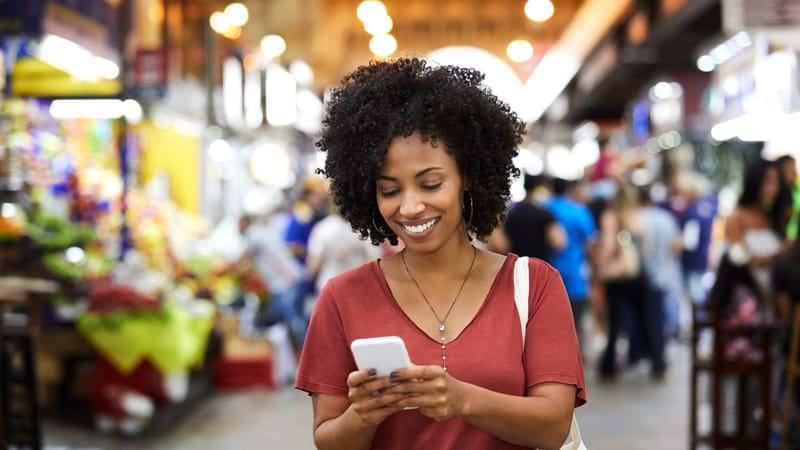
Generation novel: How to engage the new post-pandemic customer
Following his keynote at ClickZ Experience, Brian Solis sat down with Elizabeth Roscoe to talk about Generation-Novel, the cross-generation psychographics segment of post-pandemic customers. The original interview is posted at ClickZ. Summary Customer needs have changed as a result of the pandemic and so must the ways of marketing to them Digital empathy is key to informing marketing decisions Read on for valuable insight from digital pioneer and best-selling author Brian Solis very brand has a style guide and every…
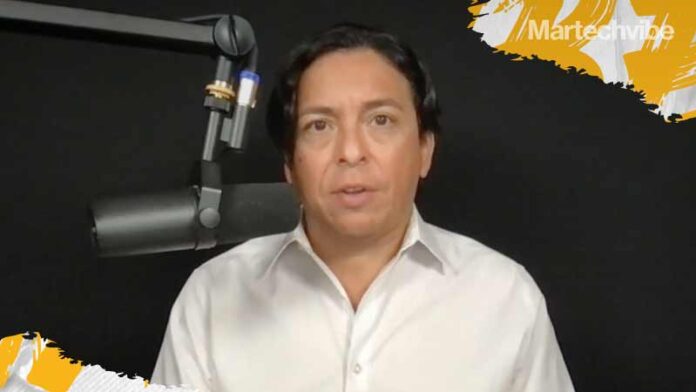
The Future Of Marketing Starts Now
A summary of Brian Solis’ keynote presentation at the recent Martechvibe Fest event in South Africa by Suparna Dutt DCunha People keep saying it: everything has changed. As the days spent in our homes blur together, outside in the world of marketing, huge shifts in consciousness are happening. The pandemic is teaching marketers not just to be digital, but to use it to bring new experiences that are more intuitive, productive, efficient and exciting for customers, and also be empathetic,…
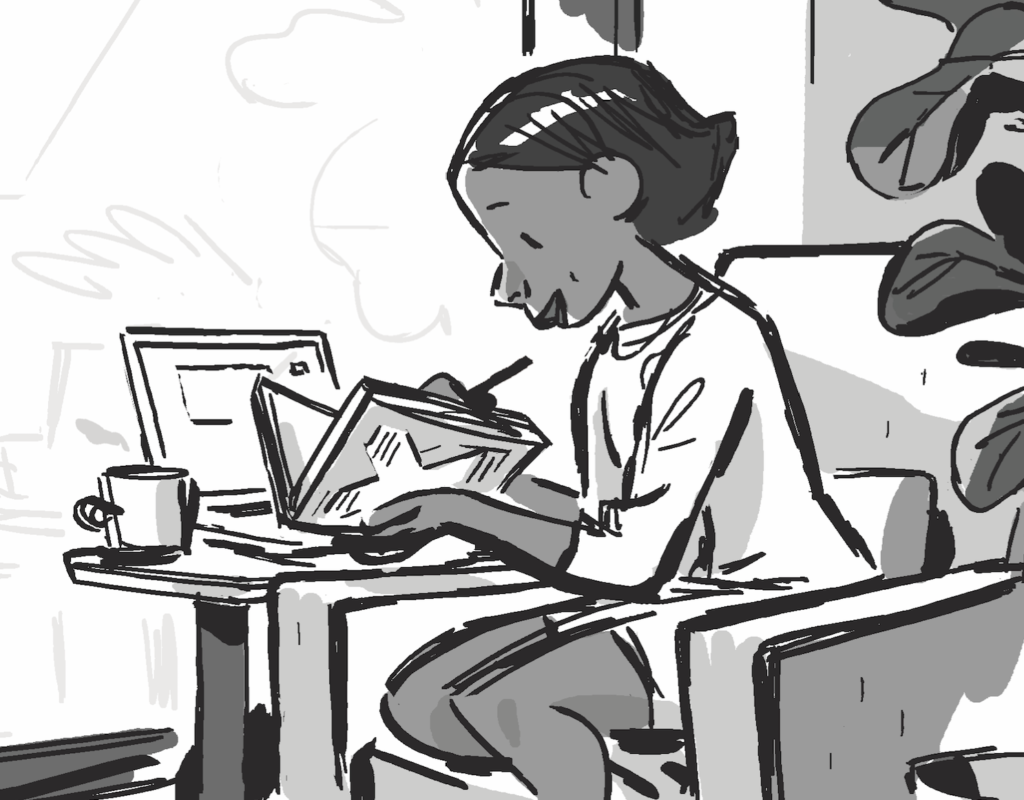
Xclusive Facts about X, Rethinking Books in a Digital World, The Magic of Disney Storyboarding, and the Rise of Experience Design
Stumbled across this unfinished post, sitting in my draft folder for years. Figured, I’d blow the dust off of it and share it with you today. When X: The Experience When Business Meets Design was released in October 2015, it was ahead of its time. Executives didn’t yet understand that the world was becoming more and more digital, and with it, digital Darwinism would reshape the nature of human dynamics and market evolution. It would ultimately take a global pandemic…
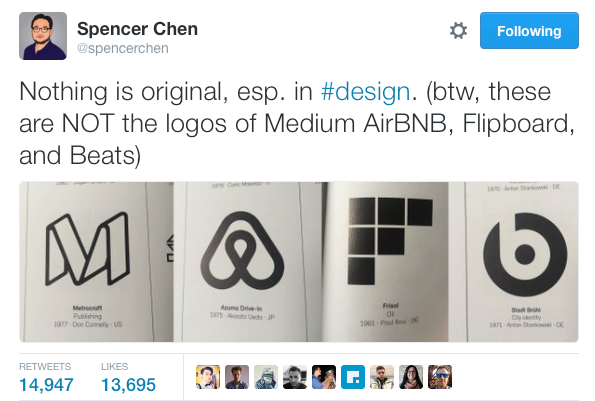
What is the purpose of a logo? It’s more than design…it’s about purpose and experience
My friend Spencer Chen, CMO of BRD and Blockset, blew up Twitter a while back by observing that many hot tech companies have apparently borrowed their logos from previous designs. While there is a finite set of possibilities specifically for logos based on a single character, the resemblances are striking and uncanny nonetheless. Furthermore, the logos of Airbnb, Beats, Flipboard and Medium all seem to be based on designs featured in a 1989 design book, “Trademarks & Symbols of the World:…