
“Every day, it’s important to ask and answer these questions: ‘What’s good in my life?’ and ‘What needs to be done?’” – Nathaniel Branden Do you ever feel like you can’t keep up with everything? Do you ever feel like you can’t stop trying to keep up? Do you ever feel like if you stop, you’ll lose your relevance or status? Do you ever feel like enough is never enough and too much at the same time? I guess, in…
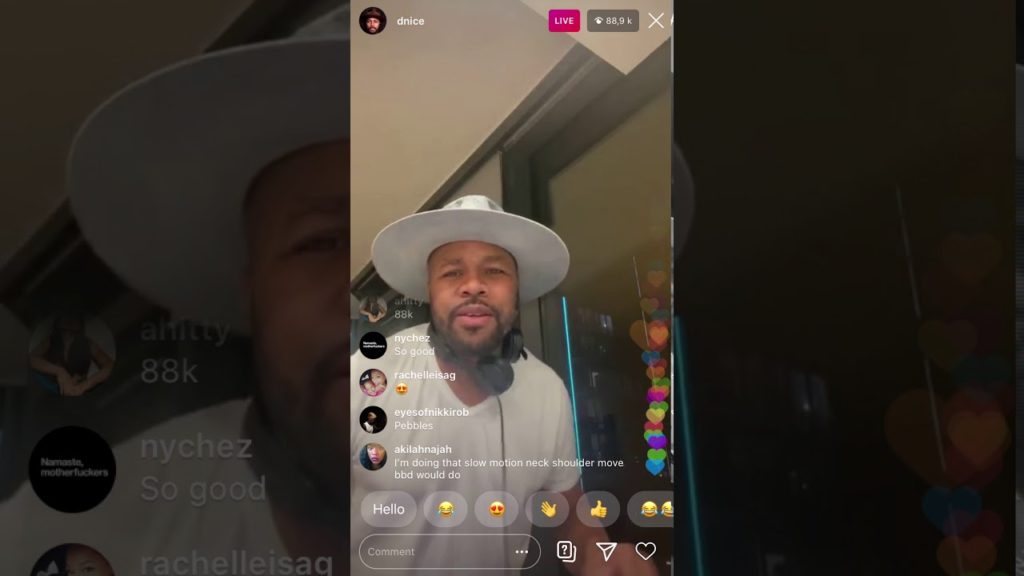
Coronavirus is bringing live social media video and humanity back into the spotlight
During a pandemic, when you’re asked to stay home for a long period of time, it’s only natural that humanity would find ways to come together. To say that people would flock to the internet, on-demand video, and social media was a given. When it comes to work, it was inevitable that employees would convene around remote working, messaging, and virtual meeting platforms. Conversations about enterprise social networks (ESNs) from the “enterprise 2.0” days are even making a comeback. Now,…
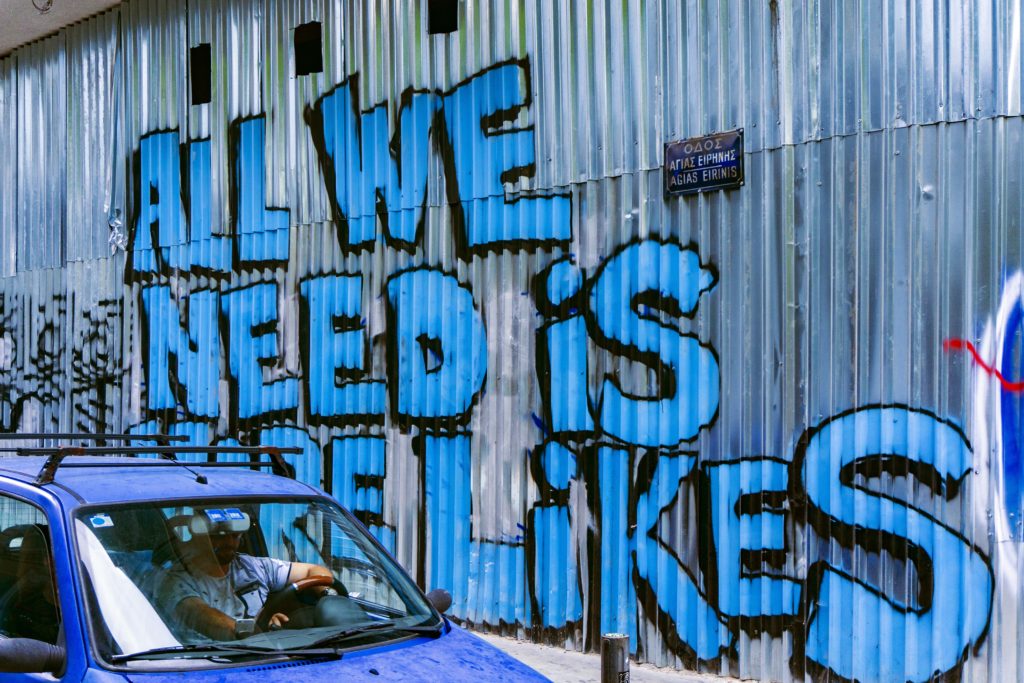
The Beginning of the End of Likes: Instagram Expands Tests Removing Likes from Public View to U.S.
Instagram CEO Adam Mosseri announced that the platform will start hiding “likes” for some U.S. users starting this week. This is an extension of a rolling test in seven countries around the world over the last several months. This is the moment that Mosseri shared the news. As you can hear from the audience reaction, it’s unclear how the market is going to react.https://twitter.com/WIRED/status/1192962986224128005 At face value, the move is commendable. Hiding likes is aimed at helping Instagram become “the…

Trust in the Digital Age
“We do not see things as they are, we see them as we are.” – Source What is trust? According to Merriam-Webster, it is the assured reliance on the character, ability, strength, or truth of someone or something. Yet go on Facebook, Youtube, Twitter or pretty much any social network, with the exception of TikTok, on any given day, and you’ll see truth debated and facts disregarded among your own friends and family. Now, conspiracy theories, disinformation, #fakenews, bots, paid…
#1 Global Fintech Podcast Breaking Banks Hosts Brian Solis
Solis was interviewed on Finovate Podcasts’ “Breaking Banks” by guest host Brett King and co-host Dara Tarkowski about the concept and inception of his book “Lifescale,” which Solis called his eighth book overall but first “personal” book. He explains that after years of advising tech startups and shape the direction of that industry, he realized he was not immune to the powers of distraction or the addictive nature of “persuasive design” in the apps and services we use every day….
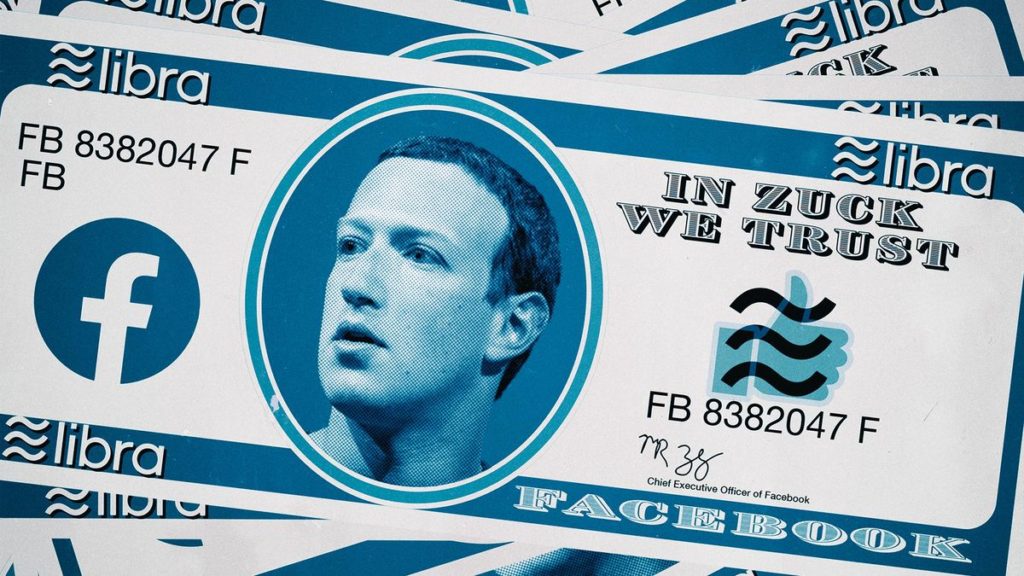
Facebook Bets on Libra, Cryptocurrency and Blockchain
Facebook Inc. unveiled plans to launch Libra, a payment system it describes as “global currency” that’s based on blockchain, the same technology powering bitcoin and other cryptocurrencies. It’s backed by real assets and attached to stable government securities. I’ve heard that more than two dozen corporate partners are on board, including financial behemoths MasterCard, Visa, PayPal and Coinbase. With partners contributing membership fees of $10 million each, Facebook’s goal is to line up a total of 100 corporate partners and…
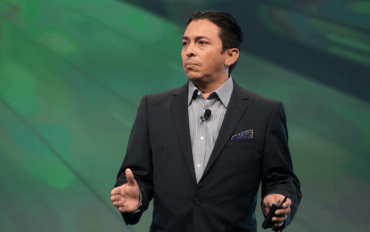
Brian Solis Shares His Views On Facebook’s Libra System and The Banking Industry On the Breaking Banks Podcast
Solis offered his opinions on Facebook’s recently announced Libray payment system and other matters related to banking as a guest on Breaking Banks – the #1 Global Fintech podcast, hosted by Brett King and Chloe James. The episode was titled “Facebook Bets on Libra.” Highlights from the discussion: “I applaud Facebook for this move. It’s something the company has been teasing about for years and which it has to do to help its growth. However, it’s the platform that…

Bullying, Hate, Conspiracies, Fake News, Negatively Impacts User Experiences and Advertising Value
“Social media has made too many of us comfortable with disrespecting people and not getting punched in the mouth for it.” – Ice T In real life… Free speech is not free from consequence. Spreading misinformation whether you aim to sow discord or because you actually believe it, is not free from consequence. Exchanging conflict for views, popularity and financial gain is not free from consequence. Inflicting emotional, psychological or emotional pain and aguish on another human being for any…
Brian Solis Quoted In A Mycustomer.com Article On Pros and Cons of Companies Abandoning Social Network Marketing
Solis’ insight into digital marketing trends provides an invaluable perspective to an article on Mycustomer.com by Managing Editor Neil Davey about the cosmetics firm Lush closing its social media accounts – and the arguments that event has triggered, pro and con, about companies abandoning social networks. The article later mentions that UK High Street chain JD Wetherspoon announced last year that they would be closing their accounts. Statements from both companies express their displeasure at social media’s influence on society….
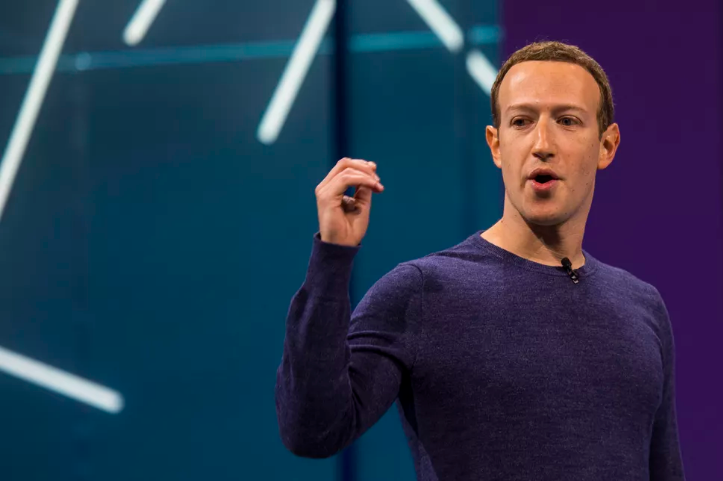
CNET: Facebook to hand off editorial oversight to independent board in 2019
Tech publication CNET recently did an article on Facebook’s decision to hand over editorial oversight of their service to an independent board in 2019, talking with Brian Solis about his views on the subject.