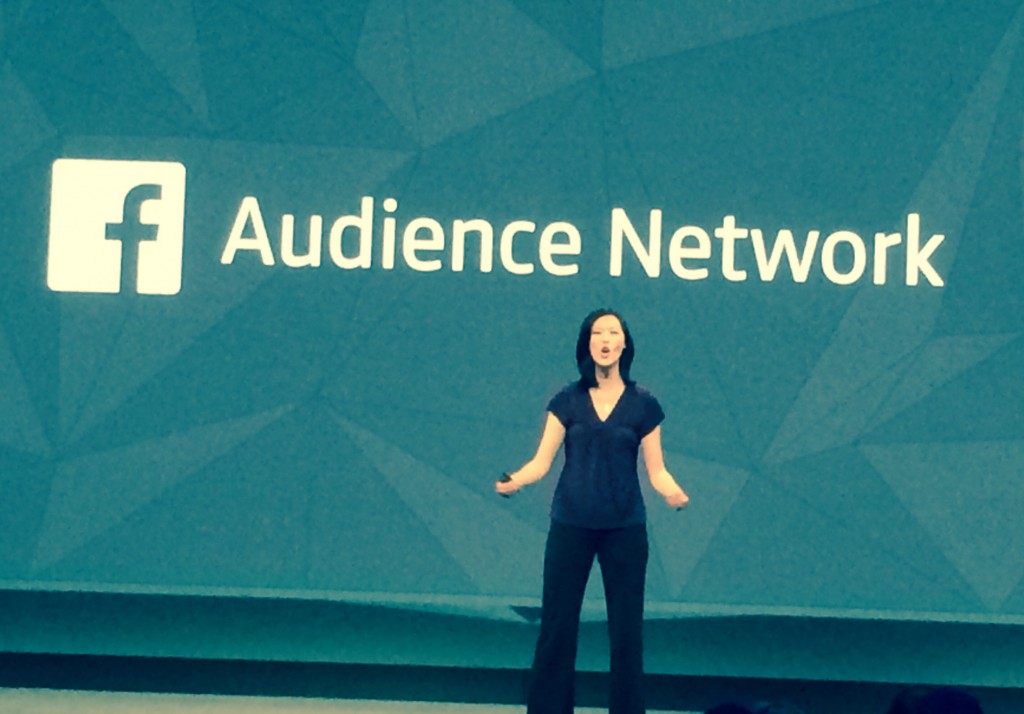
Every so often, Facebook hosts its f8, a conference in San Francisco aimed at developers, media, and partners. This year, in front of an audience of 2,500+, Facebook introduced its vision for the next year and beyond. With Mark Zuckerberg kicking things off, Facebook introduced a dozen or so new products organized into three including Facebook’s update to Login, which gives people more control over the information they share with apps, Anonymous login, which offers a way for people to…
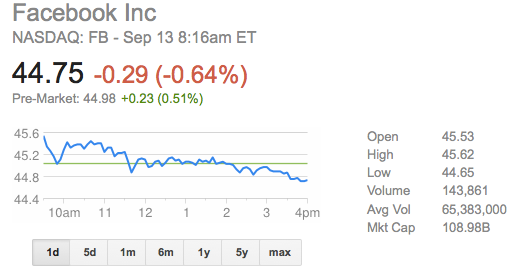
Twitter Files for IPO – What it means for users, investors, and social media
By now you’ve heard that Twitter IPO will fly soon. On the heels of its release of the controversial Conversations feature, Twitter announced, via a Tweet of course, a confidential S-1 filing for a planned IPO. In fact, just last week, I shared with ABC News that we needed to prepare for the inevitable. While many experts are jumping on their platforms to shout that it’s about time, many investors are smirking with clasped hands, understanding of course that in…

Is Freedom of Tweet a Right or a Wrong?
Twitter and Facebook are under fire for the role each platform plays in unknowingly tolerating flagrant hate-fueled, public-facing obscenity and outright threats. Twitter was targeted as the result of an advocate for honoring women on British currency was deluged with sickening rape threats. Facebook too has been criticized for its molasses-like pace for contending with hate posts and groups. In the case of Twitter, its UK branch reaffirmed its position against hate by publishing a post that acknowledged complaints and…

Be a Tool: Properly Resource Your Enterprise for Social Media
Guest post by Danna Vetter, VP, Consumer Strategies, ARAMARK You’ve heard it all before. You do your research. You write the strategy. You set the goals and objectives. You train your community managers. You go live in two weeks. Facebook announces Timeline. You kick [insert EVERYTHING]. There is only one thing that can be done in situations such as these – control what you can control. As marketers, we have all come to rely on these external social platforms, of…
Facebook: Can It Keep Growing?
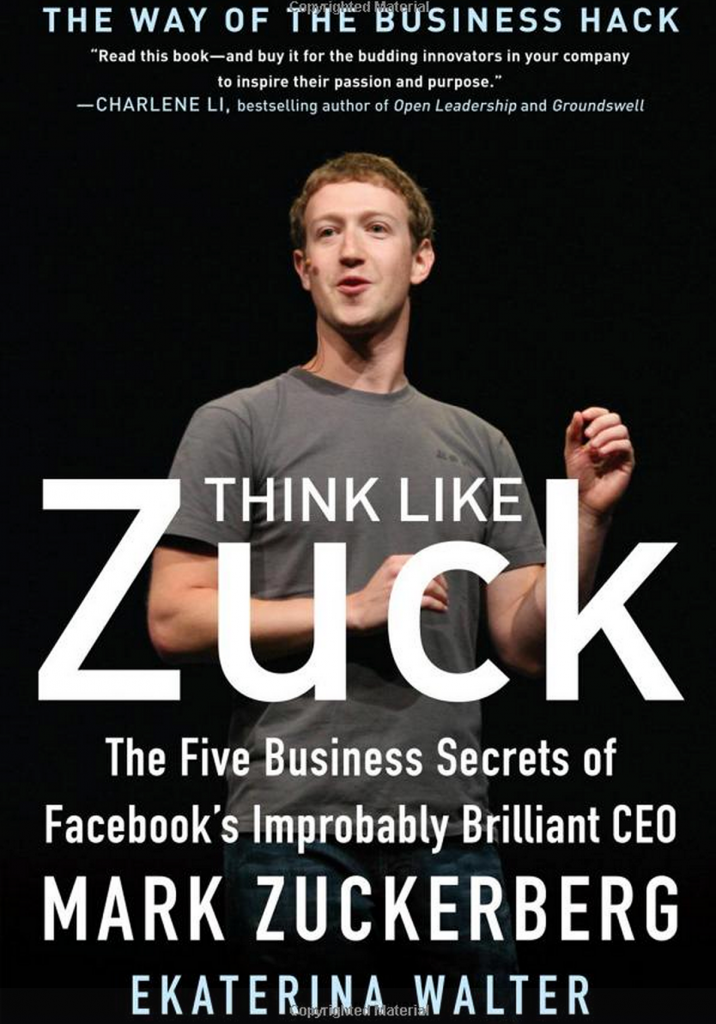
Guest post by Ekaterina Walter (@ekaterina), a social innovator at Intel and the author of “Think Like Zuck: The Five Business Secrets of Facebook’s Improbably Brilliant CEO Mark Zuckerberg” This question has been of great interest to investors since the 2012 IPO that saw the company valued at $100 billion. Facebook already has 1 billion users worldwide and 44% of all internet users have a profile. Facebook pages make up one in five page views on the internet. So is…

What Your Business Needs to Know About Facebook’s EdgeRank
Facebook recently introduced the ability for brands to increase reach for important posts and updates, but that reach comes at a cost. The prices varies depending on how many fans you have in your community. This new feature coincided with changes to the company’s Edgerank algorithm, which is how Facebook automagically filters posts in and out of your stream. Similar to how Google’s PageRank sorts results to better match your search intention, Facebook uses Edgerank to ensure that engagement is…
Social Media as the Next Web
Source: GapingVoid “The World Wide Web is the universe of network-accessible information, an embodiment of human knowledge.” – Tim Berners-Lee, Web inventor, founder, the World Wide Web Consortium (W3C), source For years now, we’ve talked about the evolution of Web 2.0 and an era of a more open and social web. Certainly the web has become social. As to whether or not it’s more open, well that’s for a later discussion. With our time together now, I’d like to explore the…
Facebook’s Page Post Targeting Sets the Stage for Contextual Marketing
Content Context is King! Social media ushers in an era of contextual relevance that finally trumps content as king. Don’t get me wrong, content is important. After all, without it, what would people read, watch, interpret, remix and share? But without context, content is simply a message or story trying to find a home. In social networks, people stitch together social networks based on their relationships, interests, and aspirations to personalize their online experience. Doing so creates a network where,…
USA Today’s Jon Swartz on the The Urgency of Now
Jon Swartz is a veteran technology reporter based in Silicon Valley currently covering emerging and disruptive tech at USA Today. This is the second time we’ve invited him to Revolution. His take on news trends is less about hype and more about how technology impacts everyday business and society. Sometimes technology is the solution as much as it is part of the problem. For consumers, the ability to use mobile, social and the web is not only enlivening real-time experiences,…
Facebook: Over 1 Billion Served – Plus Interesting Stats
Mark Zuckerberg announced in a short and sweet post today that Facebook is now home to one billion digital denizens. I’m not going to focus on the impact this news will have on its stock. Instead, I would like to focus on how this significant milestone aligns with his vision, a vision that was clearly communicated in the company’s S-1. After re-reading Zuckerberg’s letter to investors, here are a few themes that resonate with me in light of this news……