
Solis is referenced in two unique ways in a Namibia Economist article by Natasja Beyleveld called “Mirror Mirror on the wall, if I ride a skateboard will I fall? The Ultimate Moment of Truth.” The author starts the piece provocatively by saying “Architecting experience begins with empathy (Brian Solis), so stop focusing on the funnel. Or stop funneling what you want down the customer’s throat?” Later she references Solis speaking “about designing for the four moments of truth, and every…

Brian Solis Interviewed About Generation C by CEO and Co-Founder of GrowBiz Media
Solis is interviewed by Rieva Lesonsky, CEO and Co-Founder of GrowBiz Media, in an article posted on Bank of America’s Small Business Community site called “Generation C: Understanding how to speak to the Connected Customer.” The author starts by mentioning that Solis first introduced businesses to the “Connected Customer” in 2012, but many small businesses haven’t yet embraced Gen C. Solis says that Gen C “is not limited to one group of demographic. Demographic marketing is based on age, income,…

Brian Solis’ Four-Point “Moments of Truth” Concept And Fresh Consumer Insights Showcased In a MyCustomer Article
Solis is the sole subject of an article by MyCustomer Editor Chris Ward titled “Brian Solis: How To Identify Your Moments of Truth.” The subtitle reads: “Customer experience guru and Lifescale author Brian Solis shares the moments of truth that businesses should focus on to improve customer experiences and drive advocacy.” The article starts with a reference to Solis’ book What’s the Future of Business?. In that volume, he highlighted the four moments of truth that can help businesses improve…
It’s Time to Upgrade the RFP for Mobile Only Customer Journeys and Experiences
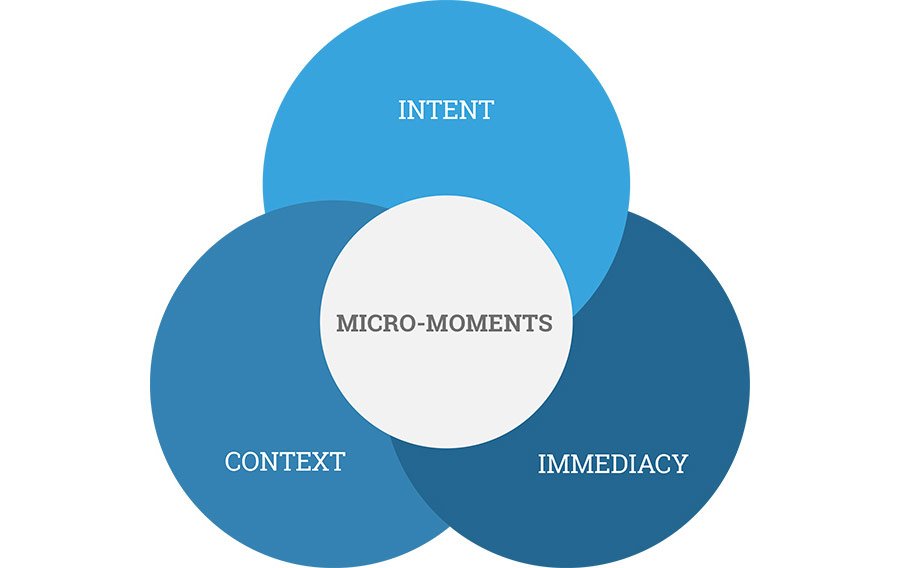
An unpublished research interview with Erica D’Aloia, Manager of Ecommerce Traffic for Godiva Chocolatier. The topic explored the idea of upgrading RFPs for CMOs to consider the mobile customer journey uniquely. Special thanks to Mike Grehan of Acronym. How are micro-moments and shift in mobile behavior shaping the RFP process (or not)? How are micro-moments changing marketing strategies? The word ‘Mobile Behavior’ initially threw me off – where I think of this more as use and importance of a device. I…
Smartphones and Voice-Assisted Devices Create Opportunities for Modern Customer Experiences
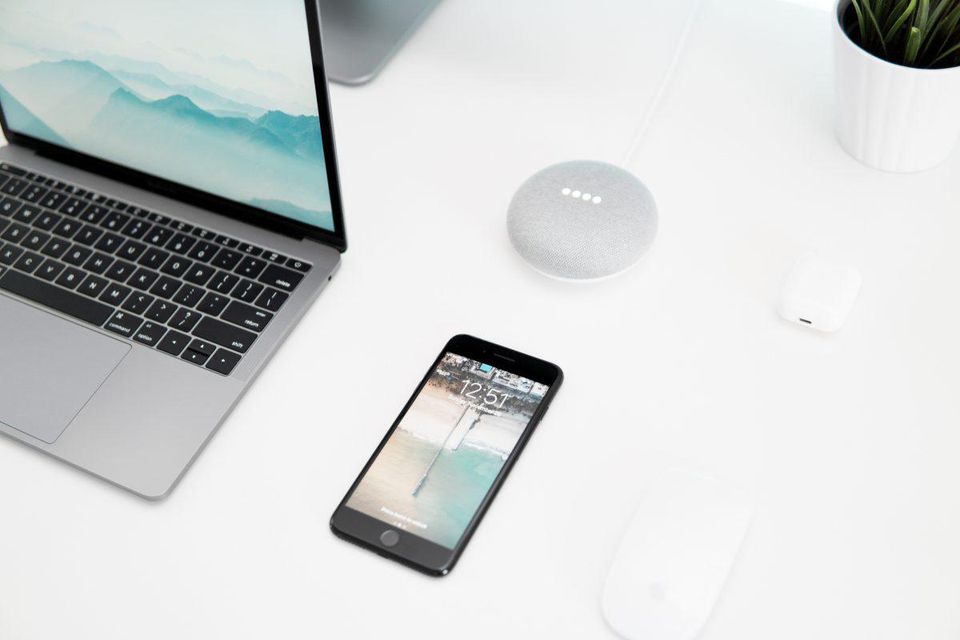
Anyone who uses a smartphone can attest to the incredible power of real-time, in-the-moment discovery that leads to decisions and outcomes. But, now in an age of voice-assisted devices, we are further empowered to command information or purchase on-demand. “OK Google, Alexa, Hey Siri, what are the best bluetooth headphones for me?” Or, “Please reorder groceries from last week for delivery tomorrow afternoon.” Like mobile shopping, voice-assisted behavior is also becoming second-nature. Brands must now reimagine the customer journey and…
CNET – Google is Primed to Go Big at CES Again
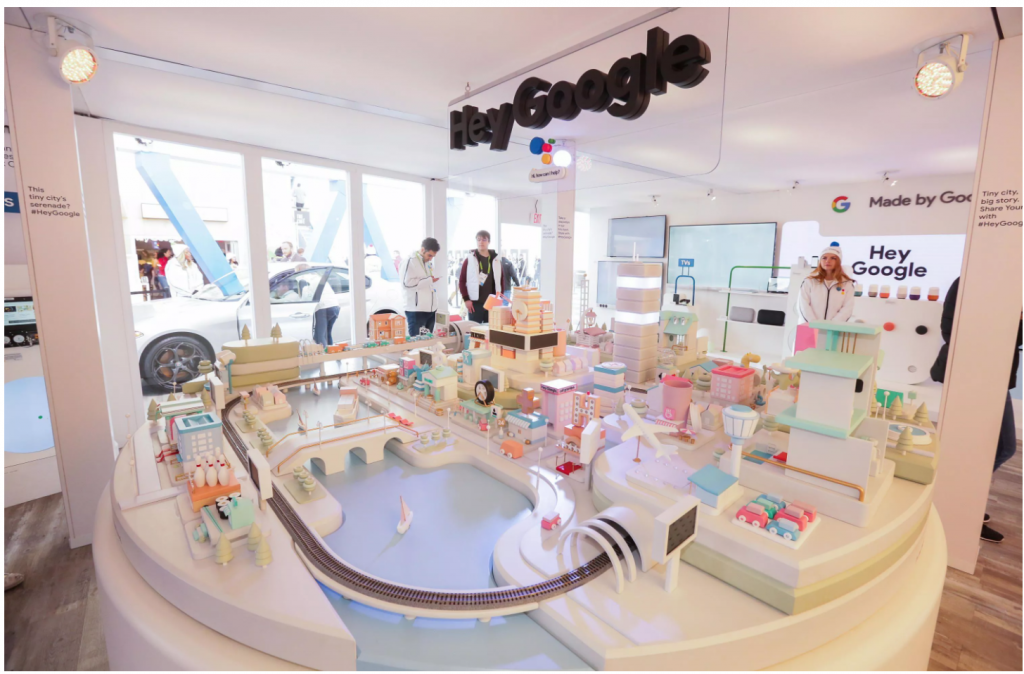
“This is the Wild West,” said Brian Solis, an analyst with the Altimeter Group. “Google has to move aggressively and swiftly.”
The Business Hours: Thursday’s Google Walkout is Evoking Responses Now
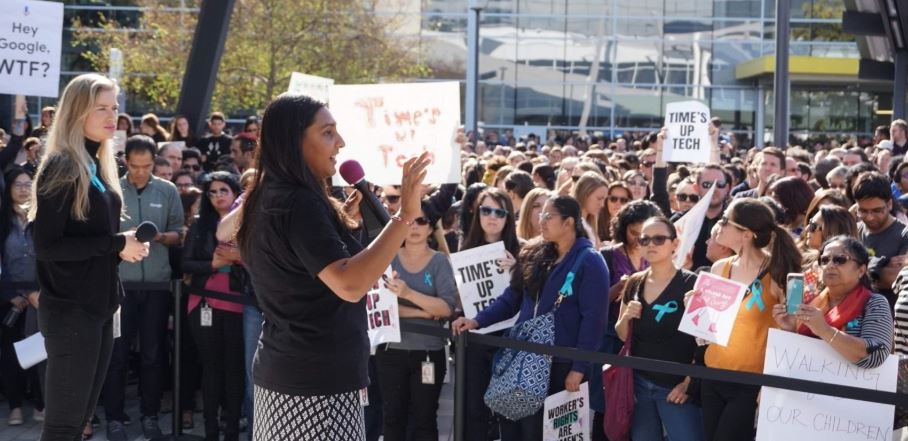
News publication The Business Hours recently did a look at the long-term repercussions of the Google employee walkout a few weeks ago, quoting Brian Solis from his thoughts on the subject.
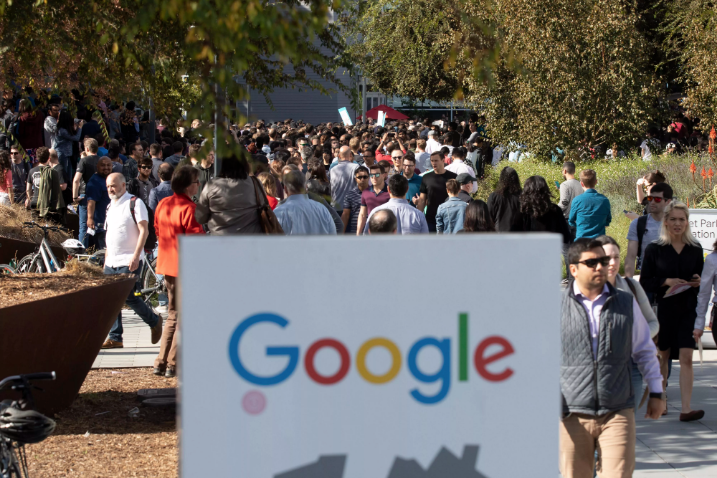
CNET: Google walkout was ‘unprecedented.’ It could prompt more tech protests
Tech publication CNET recently covered the politically-inspired walkout of Google employees, quoting from Brian Solis’ thoughts on the subject.
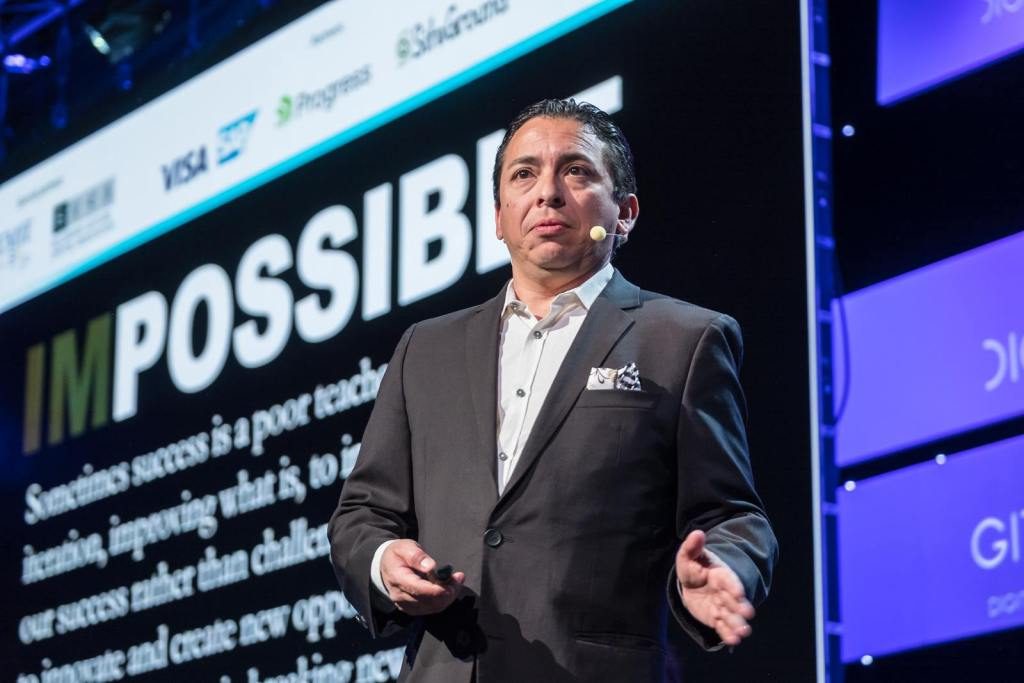
A Prelude to Innovation: Figure Out How The World is Changing and How To Be More Relevant as It Evolves
There are many places in this world I hope to one day experience. On that list was Sofia, Bulgaria. I use the past tense as I’m so happy to report that I had the opportunity to visit this beautiful city (and country) for the DigitalK conference. What a great event! I presented on topic that I refer to as “A Prelude to Innovation.” It’s meant to spotlight the important actions and events serving as the introduction to innovation itself. Shortly…
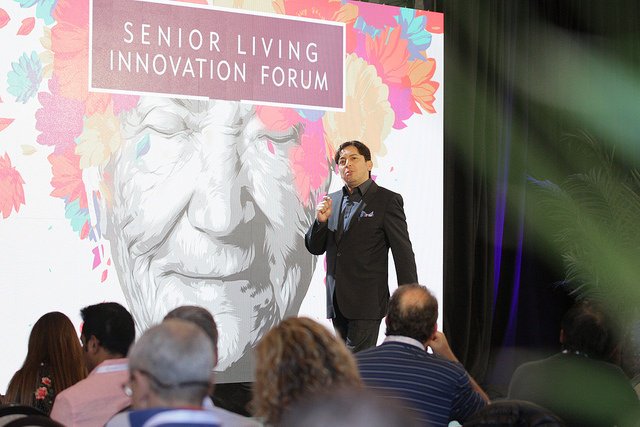
Tomorrow’s Products and Services Need to Offer Innovative (Not Just Iterative) Experiences
Napa Valley, what a wonderful place to visit. Some of my favorite wineries are in Napa. Paraduxx, Far Niente, Harlan, Mascot, Nickel and Nickel, Chandon, Domain Carneros, Cuvaison, Schug, just to name a few. Napa is also a wonderful place to work. And, I recently had an opportunity to do so when I was asked share my vision of the future at the Senior Living Innovation Forum. I’m not an expert in senior living care nor am I a master…