Coming up in Silicon Valley during the 90s and early 2000s was special for a geek like me. I moved to Northern California from LA in 1996. Tech and startups were at the time fledgling in Los Angeles but still exciting. I would later return to help catalyze the startup ecosystem. My goal at the time was to plug into the startup garage capital of the world. By then, there were already storied landmarks that one would have to visit….
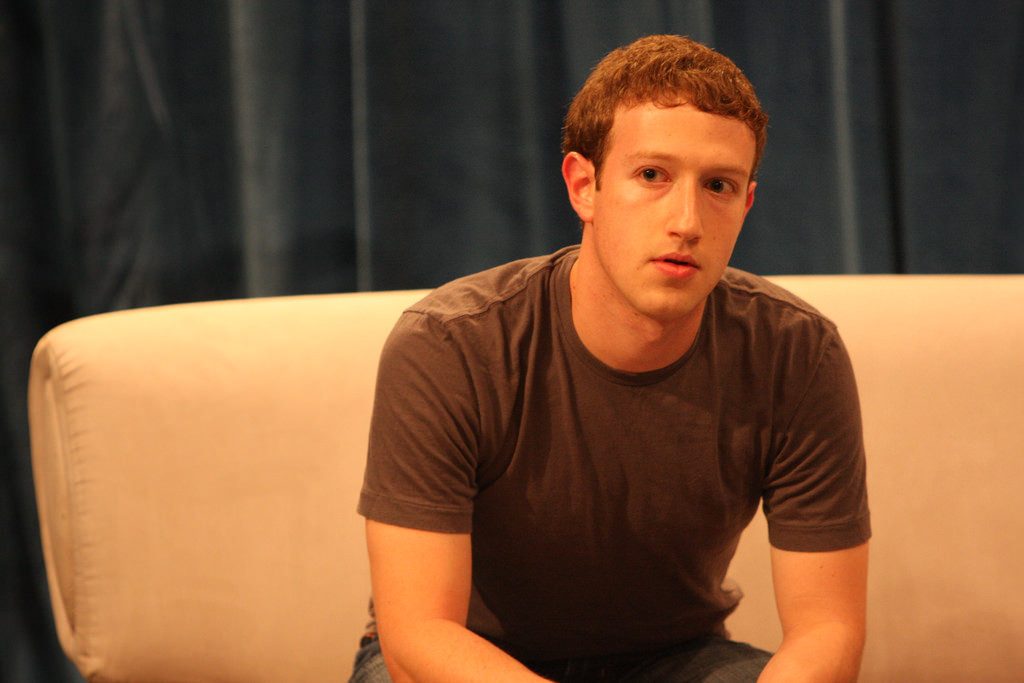
If you had one hour with Mark Zuckerberg, what would you ask? Here’s what I learned about the state and future of Facebook, data, politics and bad actors
onstine In the wake of Cambridge Analytica, data misappropriation, #deletefacebook, calls for regulation and pending testimony to U.S. Congress, Facebook announced a series of initiatives to restrict data access and also a renewed selfie awareness to focus efforts on protecting people on the platform. What’s more notable however is that Mark Zuckerberg also hosted a last-minute, rare town hall with media and analysts to explain these efforts and also take tough questions for the better part of an hour. Let’s…

It’s not the End of Retail, It’s the End of Retail As We Know It
Retail, like every industry, faces digital Darwinism as technology and markets evolve and disrupt. This isn’t new. But what is clear, executives are not prioritizing bold strategies and investments that save them from their “Kodak Moment,” that moment when consumer behaviors and values evolve beyond brand recognition. If you read about the state of retail today, you’ll see dramatic descriptors such as “apocalypse,” “the end…,” “dying,” you get the picture. While doom and gloom and disruption is inherent in every…

Moving Beyond Demographics: Today’s Hyperconnected ‘Generation C’
Several years ago as I was writing The End of Business as Usual, I researched how the customer journey was evolving. Specifically, I studied how traditional touch points compared to digital touch points and more so, how customers were hacking their way to desired outcomes. Along the way, I found that when it comes to “digital customers,” alignment in behaviors and preferences spanned generations beyond traditional demographics. At the time, I referenced this group of hyperconnected customers “Generation C” where…
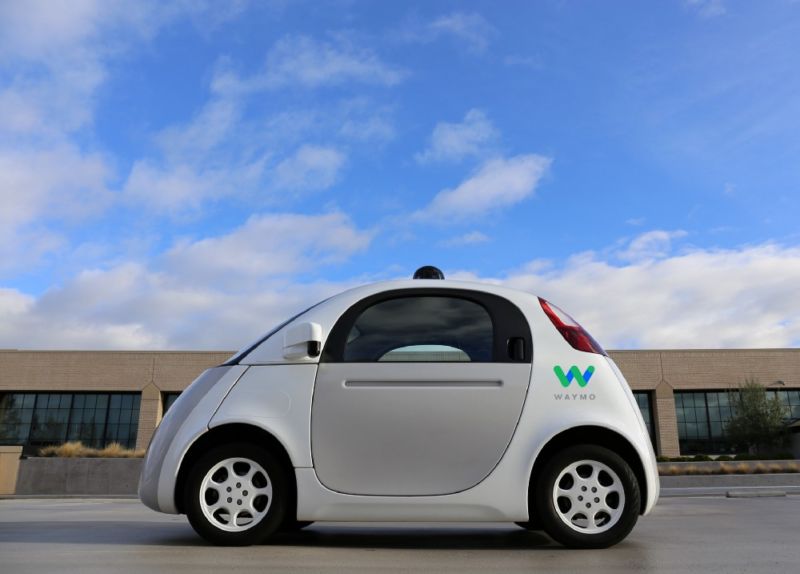
Google’s Autonomous Driving Group Spins Out as Waymo; Becomes the Android of Self-Driving Cars
This week, Google surprised the technology and automotive industries by announcing that it would spin-out its self-driving vehicle group as a formal business unit under the Alphabet umbrella. What does Waymo mean? Waymo CEO John Krafcik explained at its press conference that the company name stands for, “Way forward in Mobility.” After years of speculation as to whether or not Google (now Waymo) would introduce its own fleet of self-driving cars, its now clear that the company will become an enabling partner…
Dial M for M-Commerce: Why Now’s the Time to Swipe Right for Mobile Revenue
I’ve said it before and I’ll say it again, mobile is the first screen, not the second screen. Design and invest accordingly. Tell me if you’ve heard (or experienced) this one before… You’re in the market for a new product. You’re on your mobile and you see something in social that prompts you to go online. You hop from page to page and site to site only to become increasingly frustrated with the process because the sites are incredibly difficult…

The Insider’s Guide to Digital Transformation and the Path to Innovation
For those who do not know, Altimeter Group was acquired by Prophet, a brand strategy consultancy, in July 2015. The partnership doesn’t change Altimeter’s agenda. In fact, our research will only expand and scale. Recently Prophet hosted an event to discuss trends in customer experience and digital transformation. It was held in Minneapolis with some of the top local companies in attendance. Co-presenting with me was Chris Finlay, Director of Experience Design and Product Innovation UnitedHealth Group, and author of…
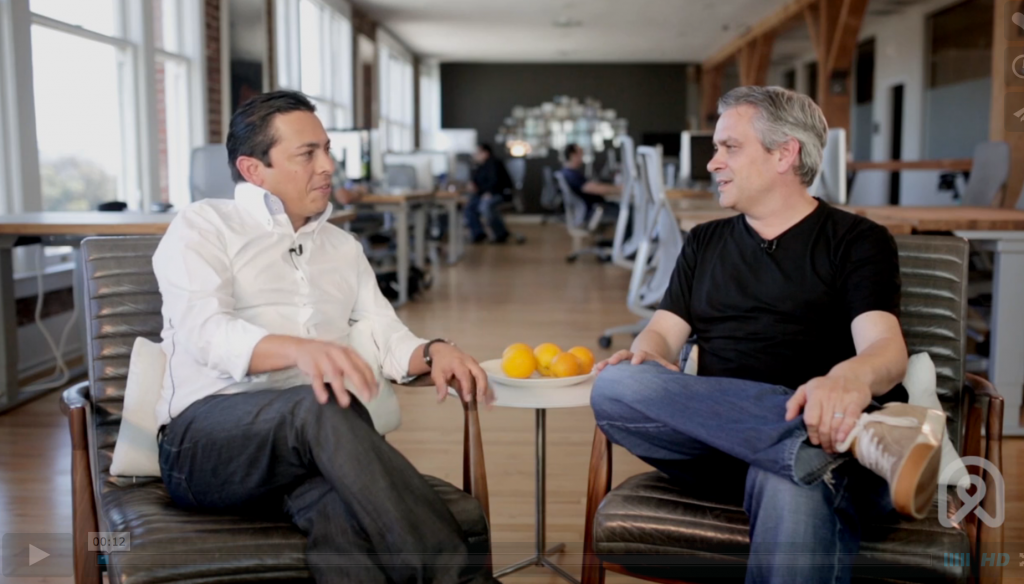
Introducing N3TWORK, A Mobile Television Network Powered by Interests and Context
Early on, I was one of the first analysts to explore the dynamics of the interest graph versus the social graph in social networks. Think Twitter vs. Facebook. I learned right away that interest graphs tend to share connections based on topics rather than relationships. I also found that every person possesses a series of 6-10 interest graphs that together form a social graph. Google refers to these groupings as “Circles.” The notion of manually organizing people by interests though…
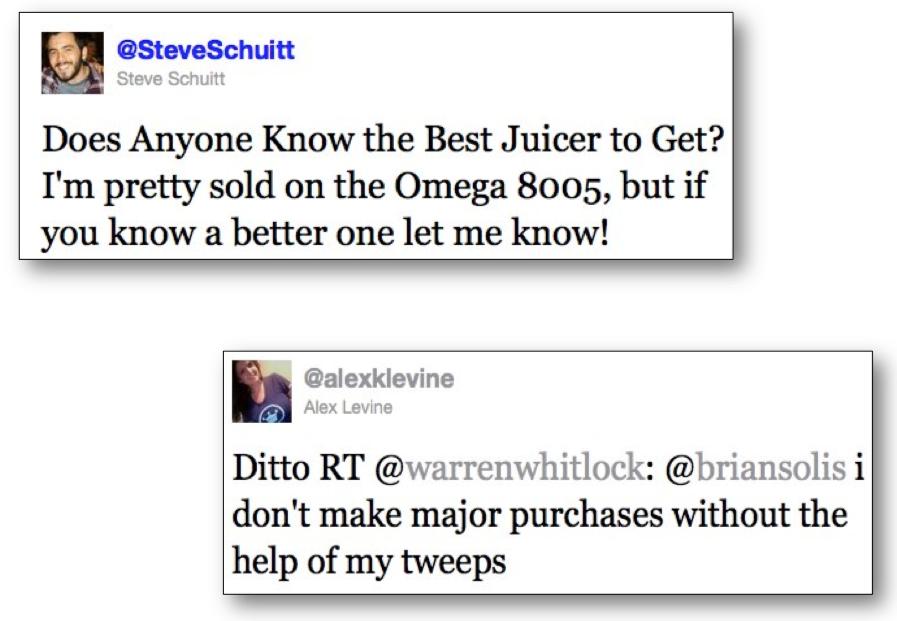
A New Era for Search: The Zero Moment of Truth is Now Defined by Shared Customer Experiences
This is the story of when ZMOT met UMOT… Search is a natural step in the discovery process. In a web world, search engines offer a lens into a qualified and structured view to help online consumers focus and make informed decisions. With Google dominating search, marketers concentrated on improving search ranking through tried and true techniques to ensure that what they were marketing earned a coveted position in the likely search results a customer might consider clicking. Search is…
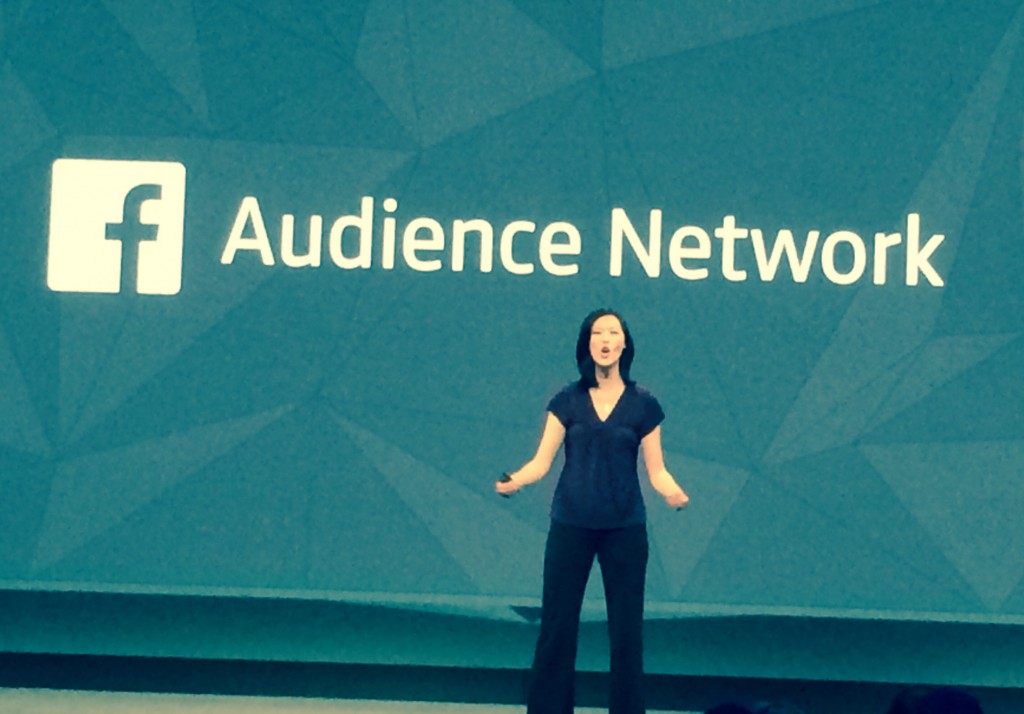
Facebook Evolves from Social Network to Social Ecosystem
Every so often, Facebook hosts its f8, a conference in San Francisco aimed at developers, media, and partners. This year, in front of an audience of 2,500+, Facebook introduced its vision for the next year and beyond. With Mark Zuckerberg kicking things off, Facebook introduced a dozen or so new products organized into three including Facebook’s update to Login, which gives people more control over the information they share with apps, Anonymous login, which offers a way for people to…