via SF Examiner While the term “influencer” may be used too often in too many ways – real influence does exist. For brands it is the evangelist that is paramount. They possess the unique combination of having influence and the ability to elevate the storytelling for a brand. Some are creators, some are product experts and some are the most highly trusted experts in their field. Here is why each of these evangelists are in high demand. With any of…
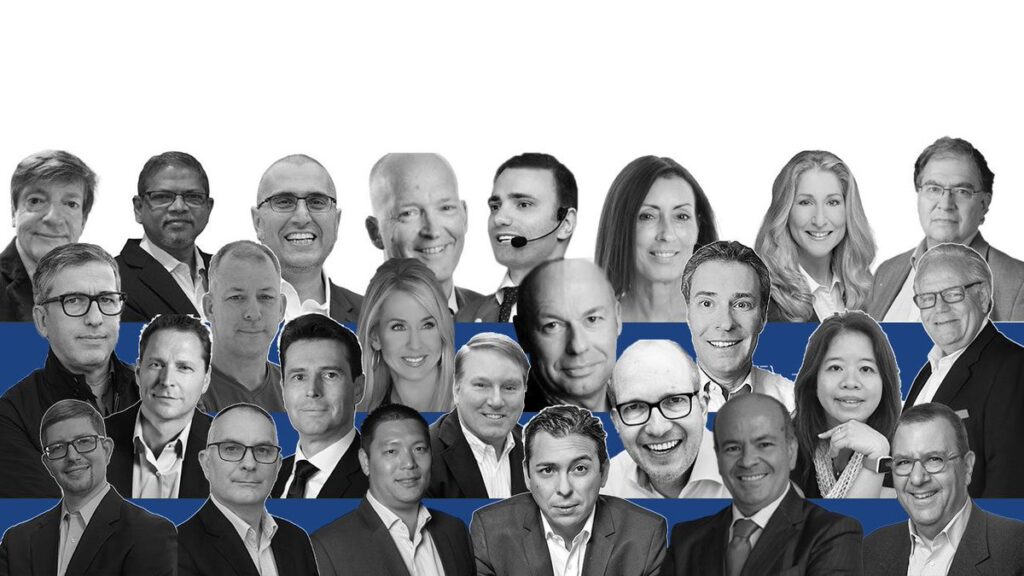
Sparity Names Brian Solis as One of the Top 25 Digital Transformation Influencers You Need to Follow
Brian Solis was named as one of the top 25 digital transformation influencers to follow by Sparity. IT industry is growing at a rapid pace, regardless of the global situation. Most organizations don’t need to be persuaded to go digital at this point. Today, it’s become abundantly clear that digital transformation has the potential to save businesses. When it comes to digital transformation, it is no longer just an IT initiative, but rather a phenomenon that is on the minds…
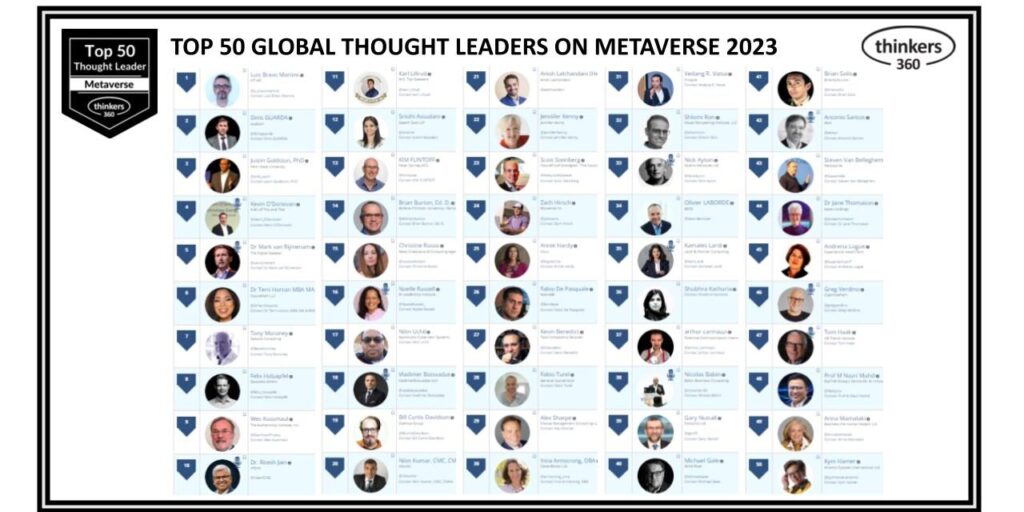
Thinkers 360 Ranks Brian Solis in Top 50 Metaverse Thought Leaders List
The metaverse isn’t dead, it’s barely even born. Thinkers 360 announced its 2023 annual ranking of metaverse thought leaders, “Metaverse Experts 50,” and Brian Solis was listed among other incredible thought leaders. Here are some of Brian’s POVs to help you think about the bridge between a 2D to 3D to immersive/spatial web to a metaverse. Exploring the business promise of the metaverse – McKinsey Why Web 3.0 will rewrite the concept of marketing – CMO The Business Case For…
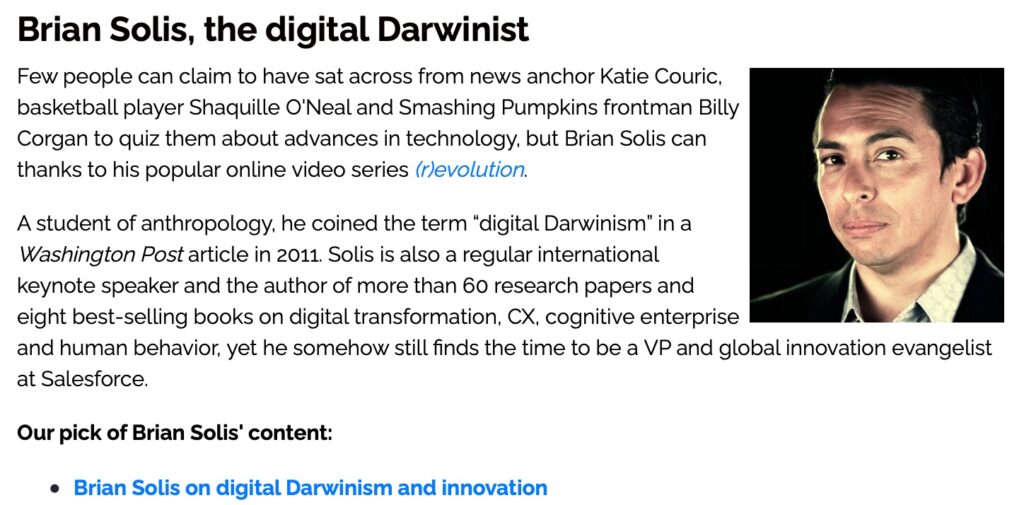
CX Network: The top customer experience influencers to follow in 2023
Via CX Network CX Network is delighted to present its guide to the top customer experience influencers we believe you should follow in 2023. Spanning five of the world’s six continents (only Antarctica is missing so far – watch this space!), our list includes CEOs, media personalities, CXOs and thought leaders, all of whom are making a significant impact in the world of customer experience by bringing innovation to their field and inspiring the next generation of CX leaders. The…

THE Top 11 Digital Transformation Influencers, Thought Leaders, Writers and Experts to Follow in 2022
via IA: Intelligent Automation Network Top 11 Digital Transformation Influencers 11 DX thought leaders, writers and experts to follow in 2022 Staying up-to-date on the latest digital transformation (DX), RPA, intelligent automation and enterprise data trends can be exhausting. However, as the digital transformation “thought leader” arena becomes more and more crowded, effectively identifying voices that are both reliable and resonant can be difficult. To help you break through the noise, we curated this list of the top 11 influencers…

Lifehack: 50 LinkedIn Influencers To Follow, No Matter Your Industry
via Brian Lee, Lifehack LinkedIn is an excellent platform to network with great people to help you in your career and businesses. However, with over 575 million people on the site, who should you follow? This list will steer you to the right people to follow, organized by categories of expertise. Brian Solis often reflects on the future of business and how technology can disrupt our world. Read Lifehack for the full list.
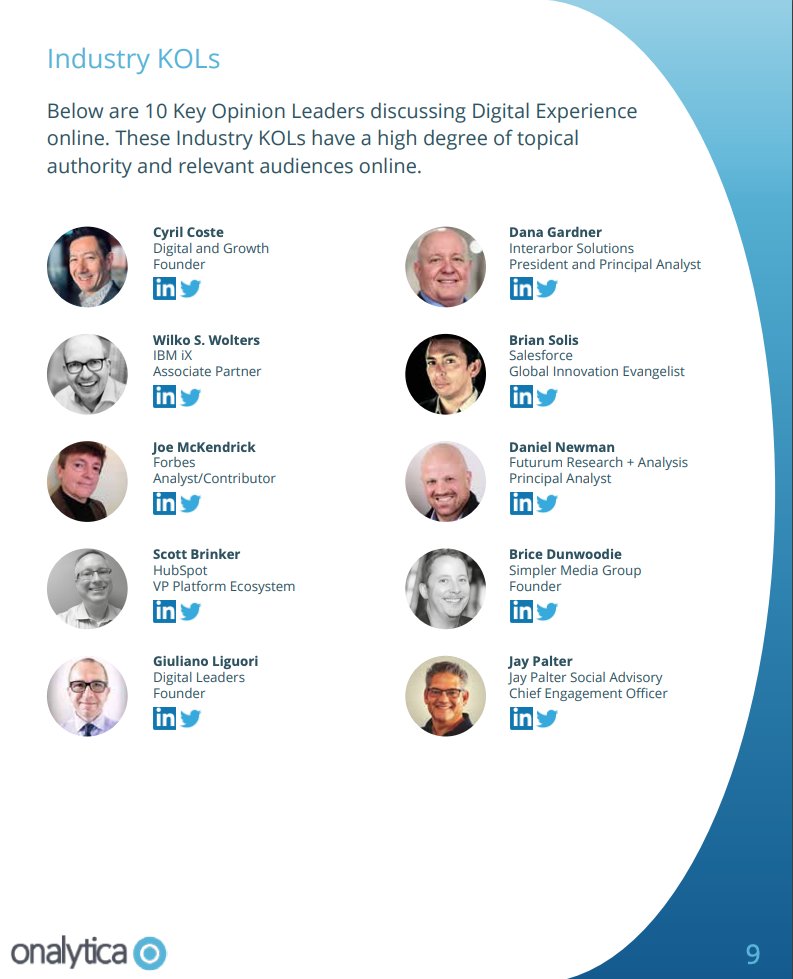
Who’s Who in Digital Experience? Brian Solis Named One of 10 Industry Key Opinion Leaders
Who’s Who in Digital Experience? by Neringa Mikutyte Digital Experience is, simply put, a multi touchpoint interaction between an organisation and a user that has been made possible with the constant evolution of digital technologies. Digital Experience acts as a bridge for companies, helping them move from the physical to the digital world. For a great Digital Experience, you need accessibility and, most importantly, personalisation. There’s never a one-size-fits-all solution for businesses; the key is in identifying tactics and strategies…
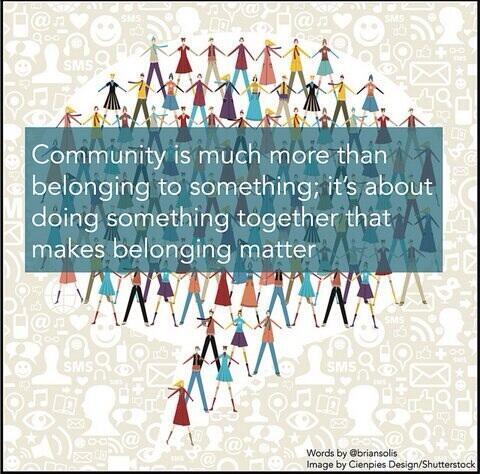
Digital and Real World Influence is About Community
Shortly before we rung in 2021, I spent time with the TopRank marketing team to talk about the year ahead. I joined 13 others in helping the team prepare an article sharing B2B influencer marketing predictions for 2021. Please take the time to read what other experts had to say. I wanted to share my part with you here. Thank you! Moving into 2021, we can all congratulate each other for making it this far. When it comes to B2B…
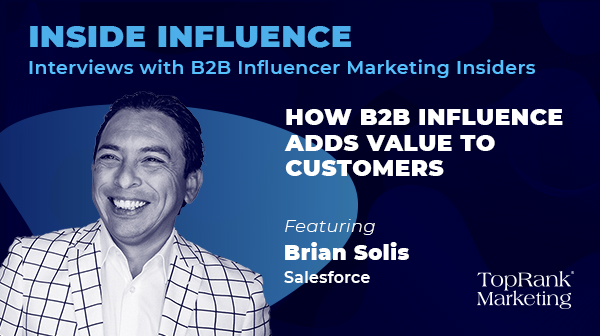
How B2B Influence Adds Value to Business Customers
Lee Odden and I have been friends for over a decade. He’s super smart, a pioneer in digital discovery and influence, and a wonderful human being. We recently worked together on the 2020 State of B2B Influence Marketing Report. And, to celebrate its launch, we shared a moment together diving into the world of B2B influence. I wanted to share it with you here…transcript and video below. In Episode 9 of Inside Influence, host Lee Odden of TopRank Marketing talks…
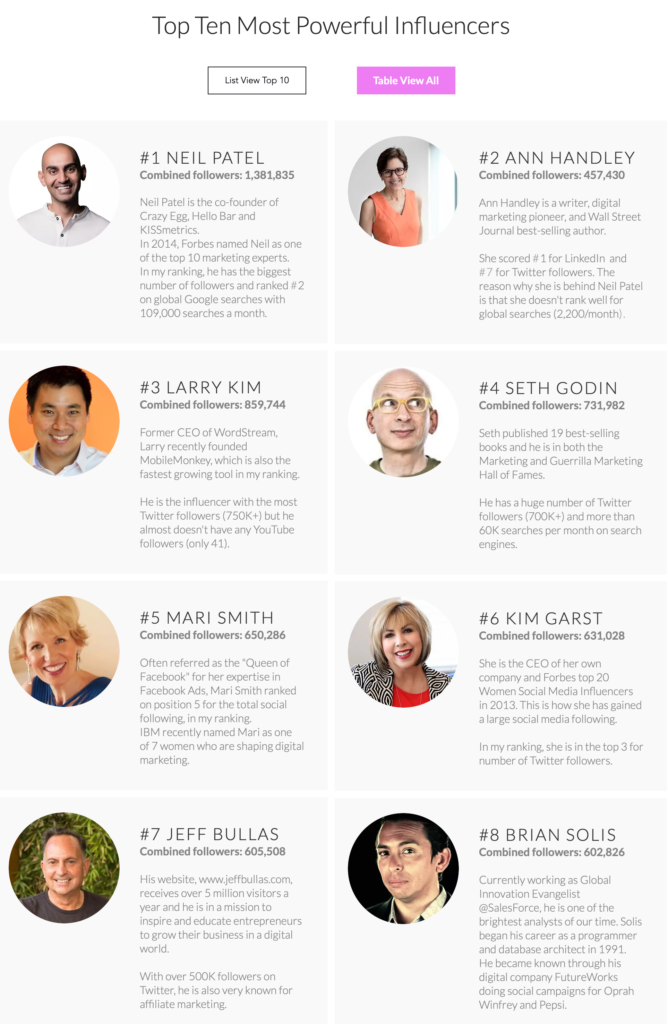
The Digital Marketing Barometer: The Top Ten Most Powerful Influencers
Luca Tagliaferro assembled a list of the top trends, websites and influencers powering the world of digital in 2020. Brian Solis made the top ten along with friends and other amazing thought leaders, Neil Patel, Ann Handley, Seth Godin, Mari Smith, Kim Garst, Jeff Bullas, and more. Many of the faces that run the most powerful tools are just as popular as the tools themselves. Many powerful digital marketing celebrities have a huge following on social media and some of…