When I was in Melbourne, Australia last year, I had the most wonderful opportunity to spend time with my friend Dave Anderson. We met at a wine bar, he brought a ton of AV gear, and we recorded a podcast while enjoying a glass of wine. What did we talk about? Here are the topics we covered… – Mega and Micro Trends; how do we keep up? – AI…How do we embrace it? – What’s going on with Digital Experience?…
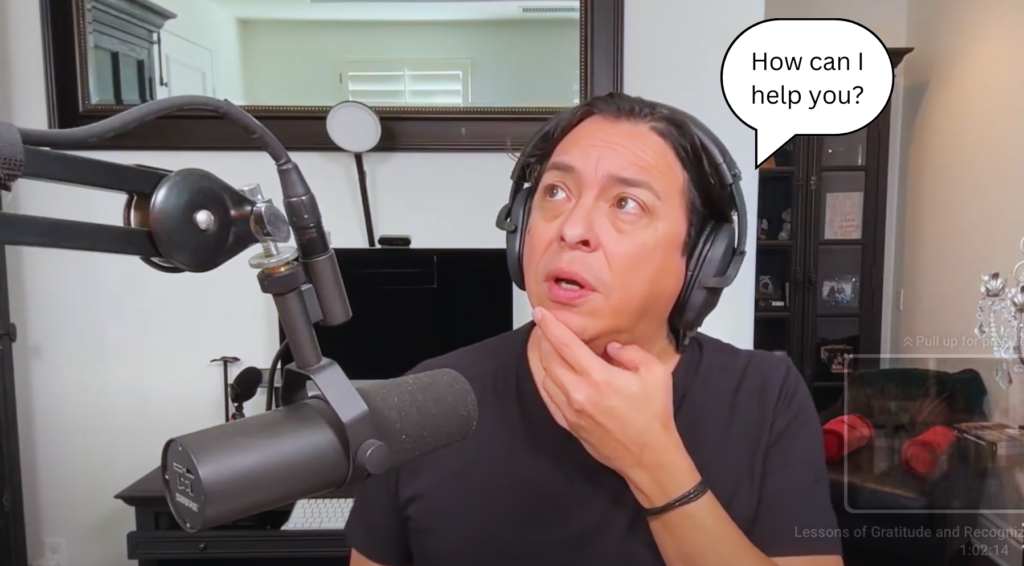
Lessons Learned, Advice I Would Give Myself and Probably Ignore, and the Skills I’m Learning to Unlock the Next Phase of My Career
For those of you who followed my work over the years, thank you. 🙏 I’ve always been reluctant to pull the curtain back to tell my story. Honestly, I have a hard time talking about myself, even if it’s personal. I open up more about this in the video/links below… My friends Nathalie Nahai and Dr. Aaron Balick launched a new community, “Time To Show Up,” to help professionals reconnect with their values, creative drive and personal mission. I was…

How to Innovate The Human Experience
I joined Susan Lindner on her popular podcast, “Innovation Storytellers.” The episode is live and I’d love for you to hear it. We explore how to innovate the human experience. And, it’s only 23 minutes… 127: How to Innovate The Human Experience In this compelling episode of Innovation Storytellers Show, I am joined by Brian Solis, the Head of Global Innovation at ServiceNow. If you’ve ever been fascinated by how technology serves as a catalyst for business transformation, then this…
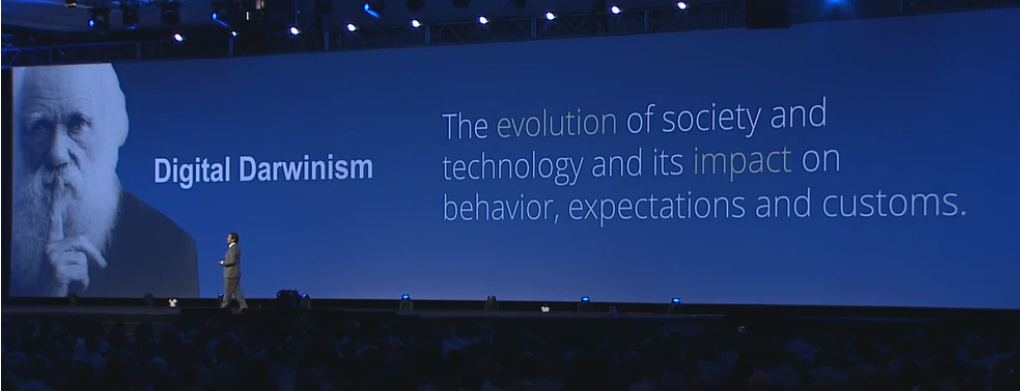
AI, Digital Darwinism, and the Tyranny of the Status Quo
Digital Darwinism: The evolution of society and technology and its impact on behavior, expectations, and behaviors. “It is not the most intellectual of the species that survives; it is not the strongest that survives; but the species that survives is the one that is able best to adapt and adjust to the changing environment in which it finds itself.” – Leon C. Megginson Transformation becomes the minimum ante to surviving evolution. At some point though, we have to stop reacting…

B2B Leaders on the Move
via Toprank Brian Solis has taken a new position as Head of Global Innovation at ServiceNow. Brian was featured in our “Inside B2B Influence: Brian Solis on the Future of Influence in B2B Marketing,” and in our comprehensive 59-page 2022 B2B Influencer Marketing Report.
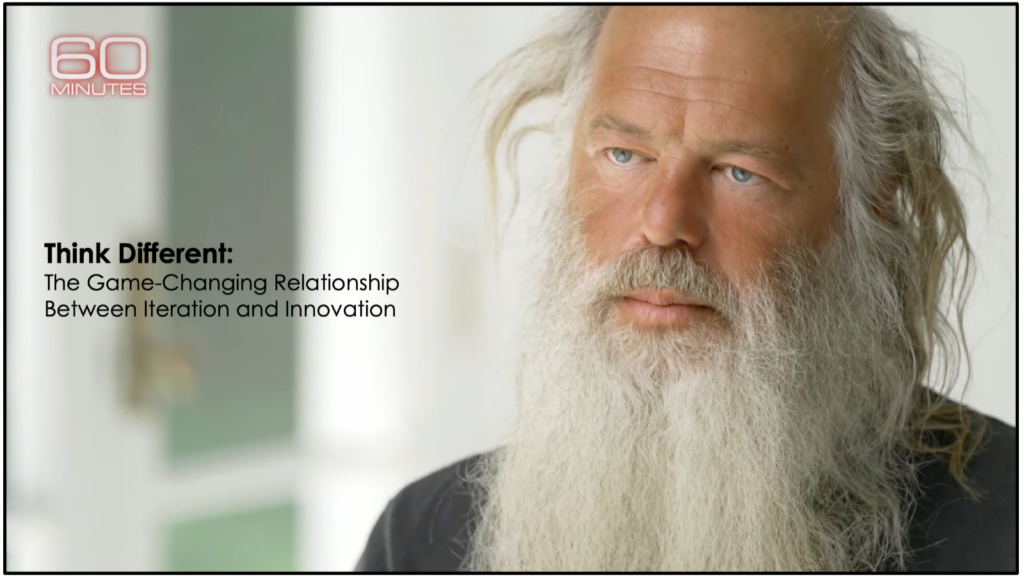
The Mindshifting Relationship Between Iteration and Innovation
When most people describe innovation in their work or share their vision for “the art of the possible,” what they’re really describing is iteration. Let me explain… Every company faces two opportunities forward. And a balance of the two requires investment and care to grow and thrive in a future that doesn’t stand still. 1) Iteration: Embracing the new to improve, enhance, augment, optimize, and scale what we do really well. Note: not everything you do today should come along…
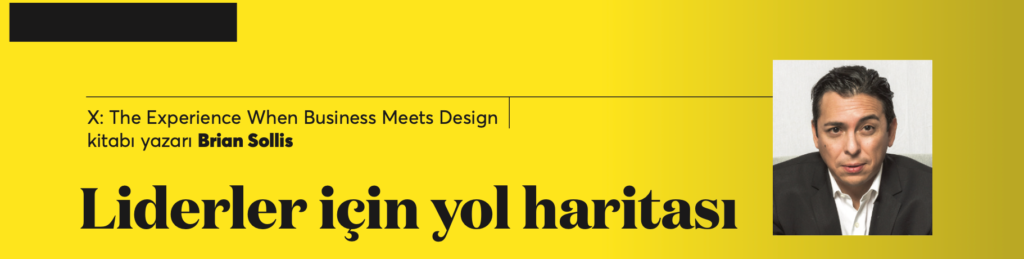
Liderler için yol haritası – An Interview with FAST COMPANY Turkey About Becoming a Customer Company
I had the pleasure of speaking with M.Rauf Ates, founder of Fast Company Türkiye about research I helped lead with Harvard Business Review Analytical Services. In this conversation, we explore how to become a customer company, beyond the lip service. The research offers 8 steps to give meaning to business, operational, and digital transformation as informed by Ethan Allen, Kellogg’s, Kimberley-Clark, and Pacific Life. Below, I’ve included a translation using Google Translate. If you find errors, please let me know!…
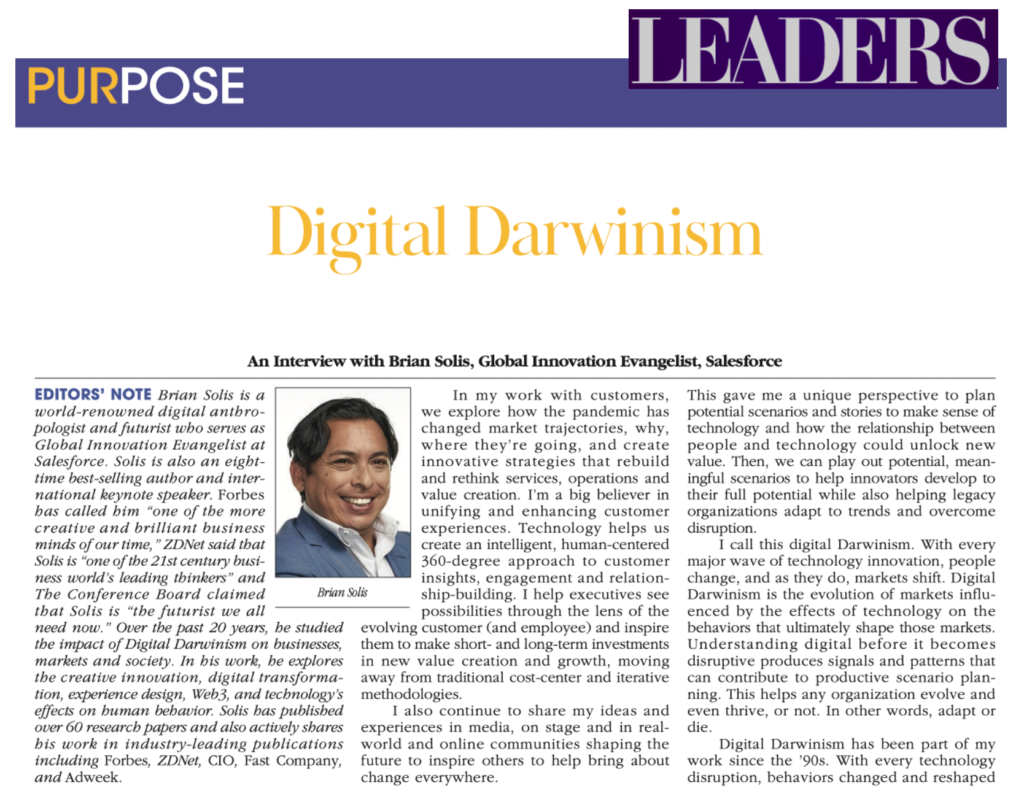
LEADERS Magazine: Brian Solis on Digital Darwinism and Innovation
In this must read interview in LEADERS Magazine, Brian Solis explores the challenges and opportunities executives face in this Novel Economy. Brian also details how companies can create a culture of innovation to grow and scale in uncertain times. Full interview here or via PDF below… “The paradox of innovation doesn’t inhibit the desire for growth and profitability. You must pursue both iteration and innovation to thrive against digital Darwinism and Darwinism in general. To do this requires a new…
Salesforce Commerce Cloud Innovations: Redefining How Brands Approach Their Customer Experience with Salesforce Futurist Brian Solis
Brands are in a position where they must exceed customer expectations even if the customer wasn’t expecting it. No brand is safe from the need to stay one step ahead of its customers – just think of Blockbuster and Nokia. In this episode, I have a great conversation with Brian Solis, VP, Global Innovation at Salesforce. Brian is a world-renowned digital anthropologist, futurist, eight times bestselling author, and international keynote speaker. He has consistently been recognized as one of the…
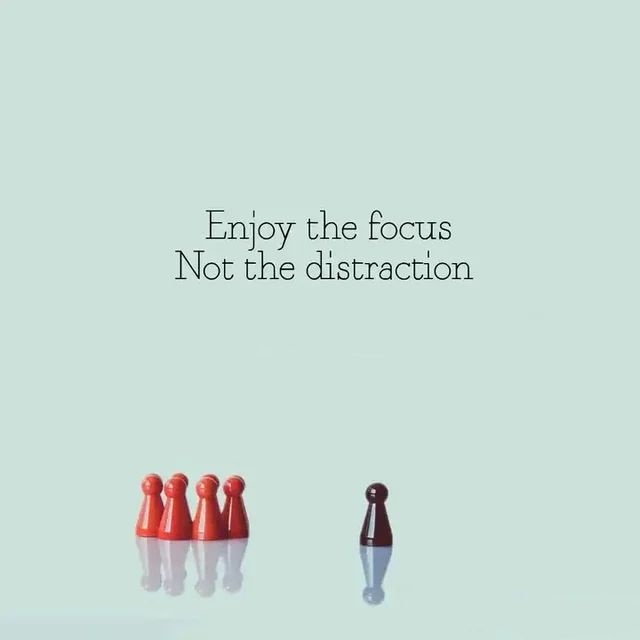
How to foster creativity and innovation by slowing down, reducing distractions, and single-tasking
My dear friend, Elisa Camahort and author of Roadmap for Revolutionaries, invited me to speak at the 2022 Rise conference organized by PBWC, the Professional BusinessWomen of California. When we explored all the trends converging that affect business professionals heading into the next year, we decided to focus on the core of what will influence everything we do next across the board…ourselves. In the days, months, and now years following our global CTRL-ALT-DEL moment, we have a choice in how…