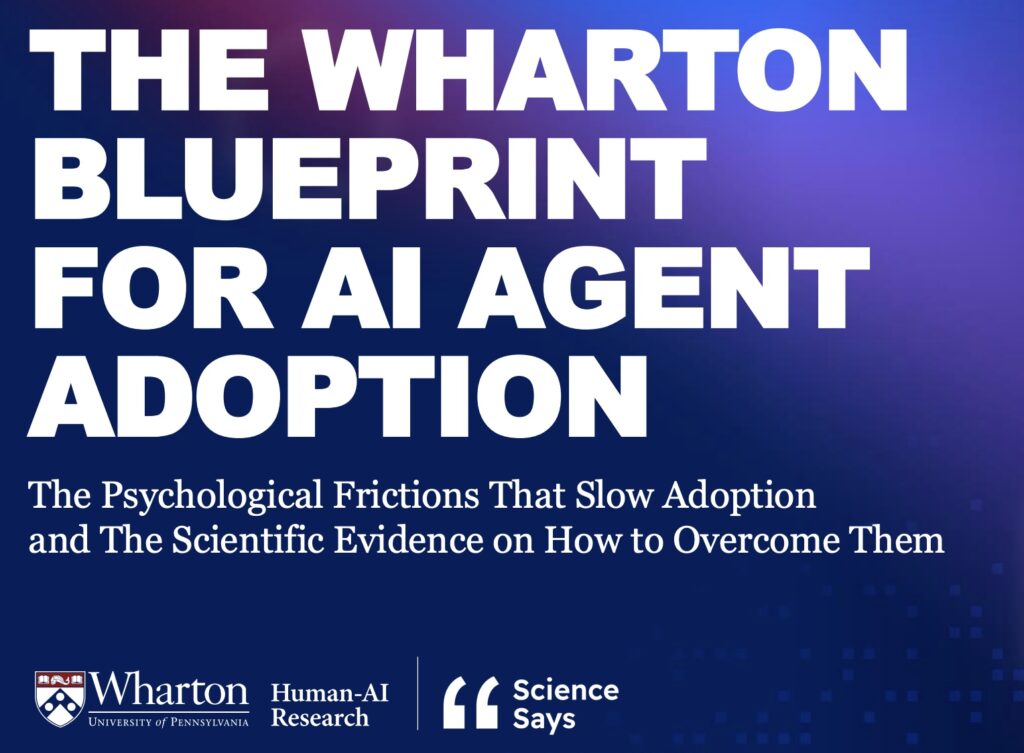
ServiceNow’s Head of Global Innovation Brian Solis was included in The Wharton Blueprint for AI Agent Adoption, a new report from Wharton Human-AI Research and Science Says that explores one of the most important questions facing every leader right now: why, if AI agents are becoming so capable, aren’t more people ready to use them for real work? The report argues that AI agent adoption is moving from a technology challenge to a psychological one. People may be willing to…

El Periódico: La IA se está comiendo el mundo: la nueva revolución empresarial ya está aquí
El Periódico Al automatizar procesos repetitivos, la inteligencia artificial permite que los equipos se enfoquen en lo que aporta valor: la creatividad, la estrategia y la resolución de problemas Hace una década, fue el ‘software’. Según la célebre frase de Marc Andreessen, esta tecnología se estaba «comiendo el mundo» y cambiaría nuestras vidas para siempre. Ahora, con la Inteligencia Artificial (IA), llega otra revolución. No es solo un avance tecnológico, sino el inicio de una nueva era en la que…
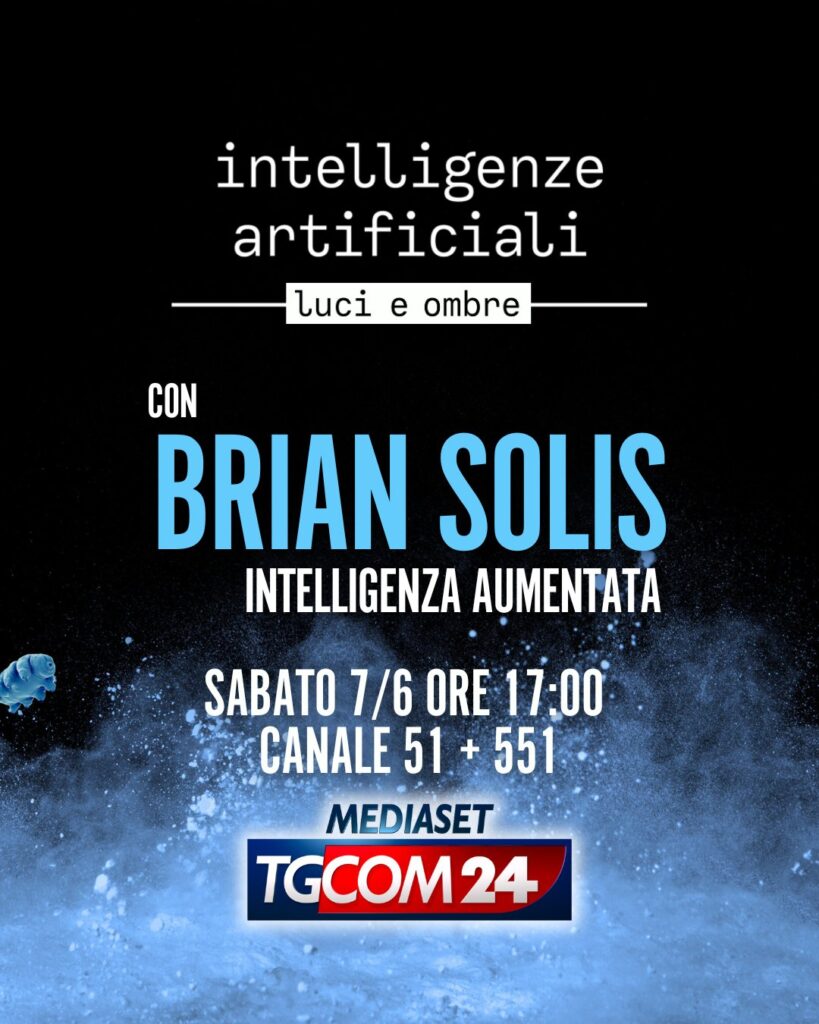
TGCOM24 Italia: Intelligenze Artificiali – Luci e Ombre: special guest Brian Solis
Watch here! 📺 Oggi a “Intelligenze Artificiali – Luci e Ombre” un ospite d’eccezione: Brian Solis Autore, speaker globale e Head of Global Innovation di ServiceNow, Brian Solis è una delle voci più influenti al mondo sull’impatto dell’innovazione nella società e nel business. Con lui parleremo di intelligenza aumentata: perché l’IA non è solo tecnologia, ma visione, strategia e capacità di reimmaginare il futuro. Siamo solo al Giorno 1 di una rivoluzione che richiede un vero mindshift, soprattutto ai vertici…
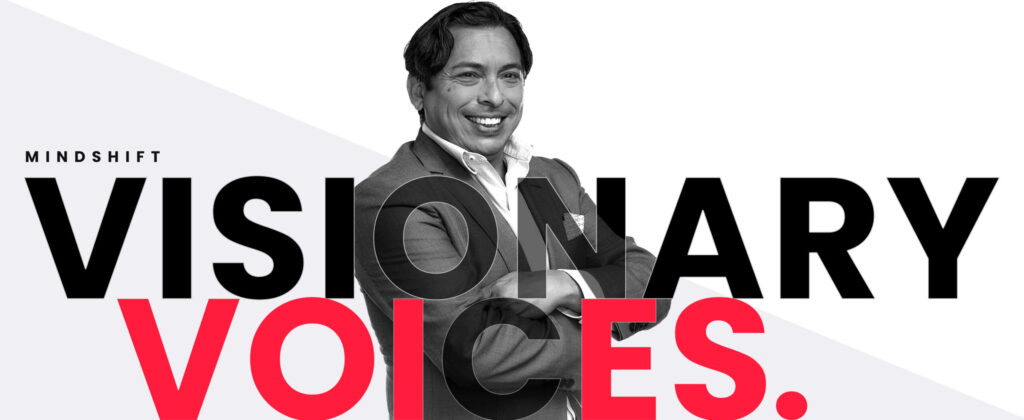
RGP – Why Now Is a Mindshift Moment: A Conversation with Futurist Brian Solis
Source Each month RGP highlight’s a unique futurist who challenges us to think differently and to drive innovation. Brian Solis is a world-renowned digital anthropologist and futurist who serves as the Head of Global Innovation at ServiceNow. In his role, Brian advises business and technology leaders around the world on business and digital innovation and transformation strategies. He is also an award-winning author and global keynote speaker. Brian sat down with RGP for an interview following the publication of his new…
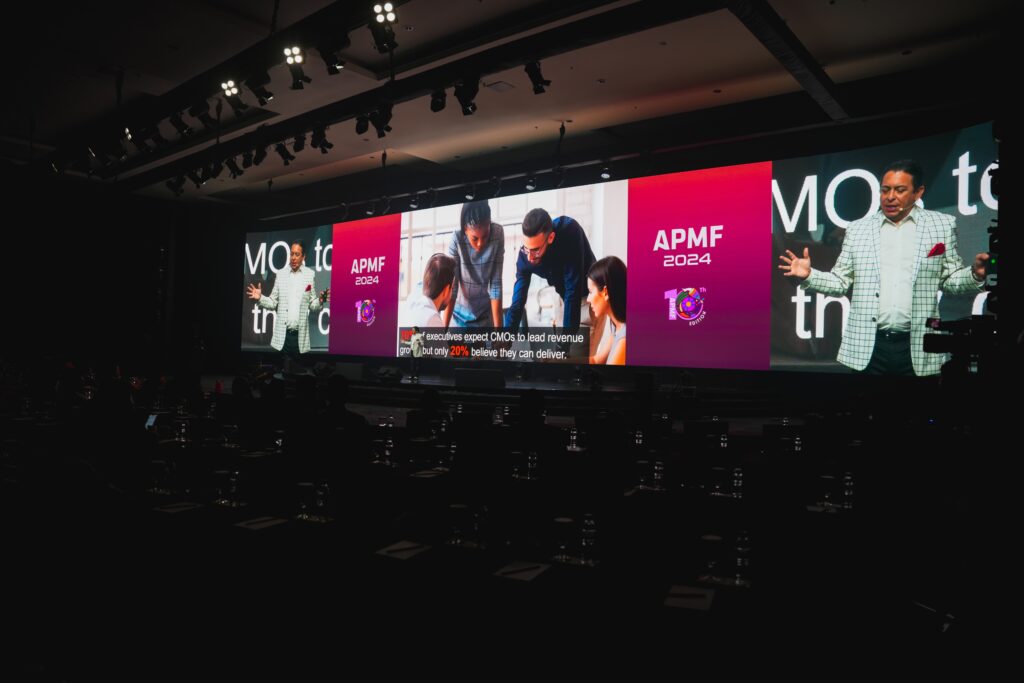
Why Creativity Is the Superpower Marketers Need in the Age of AI
Earlier this year, I was invited to keynote the Asia Pacific Media Forum (APMF) in Bali. What a privilege it was not only to keynote such a prestigious event, but also visit the magical country of Bali…for the first time! (video is included at the end) The team shared pictures and video from the event, and in the spirit of sharing, I’d like to also share it with you. Make.Your.Mark. In a world reshaped by digital disruption and shifting consumer…

TechReport: The 15 Must-Follow Tech Visionaries
TechReport just named Brian Solis as one of the 15 ‘must-follow’ tech visionaries. Social media platforms like LinkedIn and Twitter / X have become more than just places to stay in touch with your network. They’re now powerful marketing tools, with many companies leveraging their capabilities and spending billions of dollars on them. Given this, influencers can have an enormous impact on their communities. In the tech sector, particularly in the B2B space, influencers include founders, futurists, and CTOs with real…
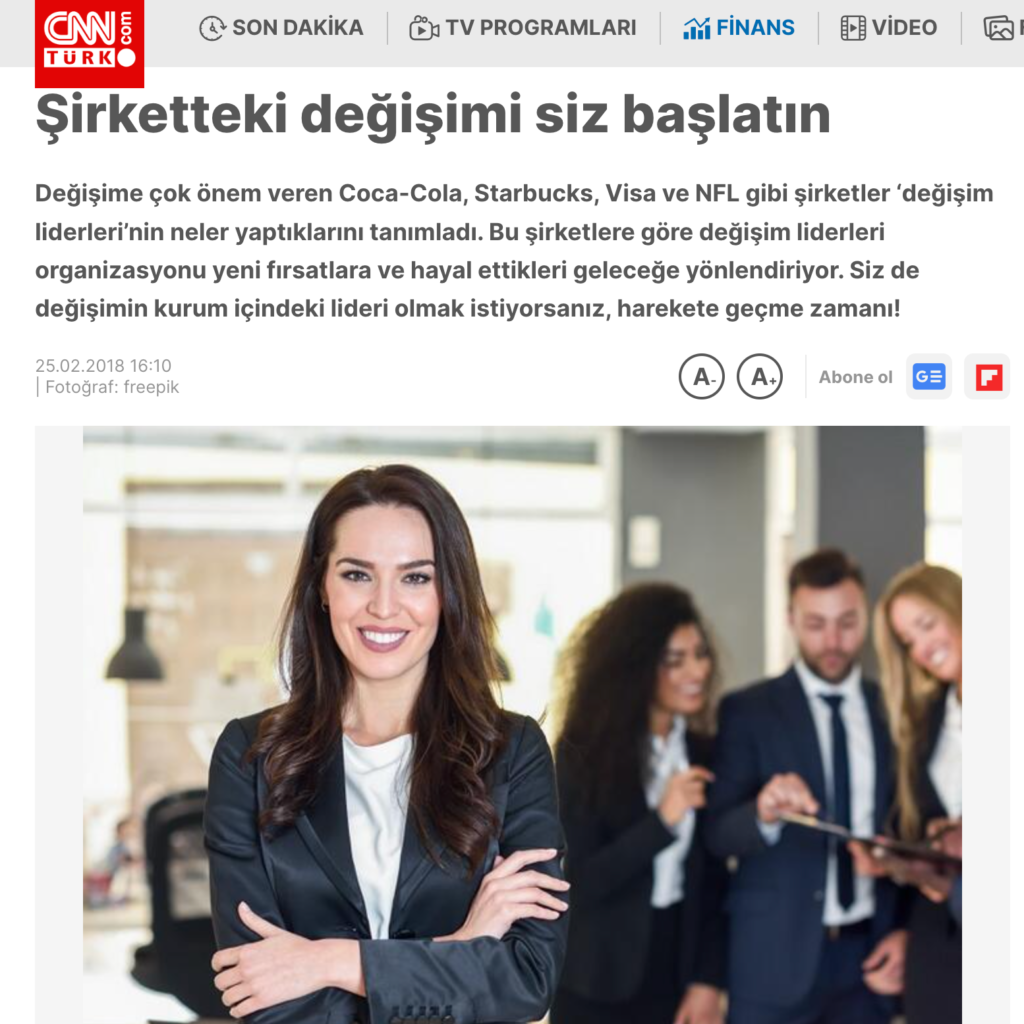
CNN Türk: Şirketteki değişimi siz başlatın – You ignite the change within the company
I’m not sure how I missed this story, but wow! CNN Türk covered the release of one of my favorite research reports I published as a Principal Analyst, “The Digital Change Agent’s Manifesto.” The research was conducted over years of studying digital transformation at companies including Coca-Cola, NFL, Starbucks, and Visa. The result was a guide to help digital executives find a path to gain support from the C-Suite and lead total transformation. Re-reading the report, the insights serve as…
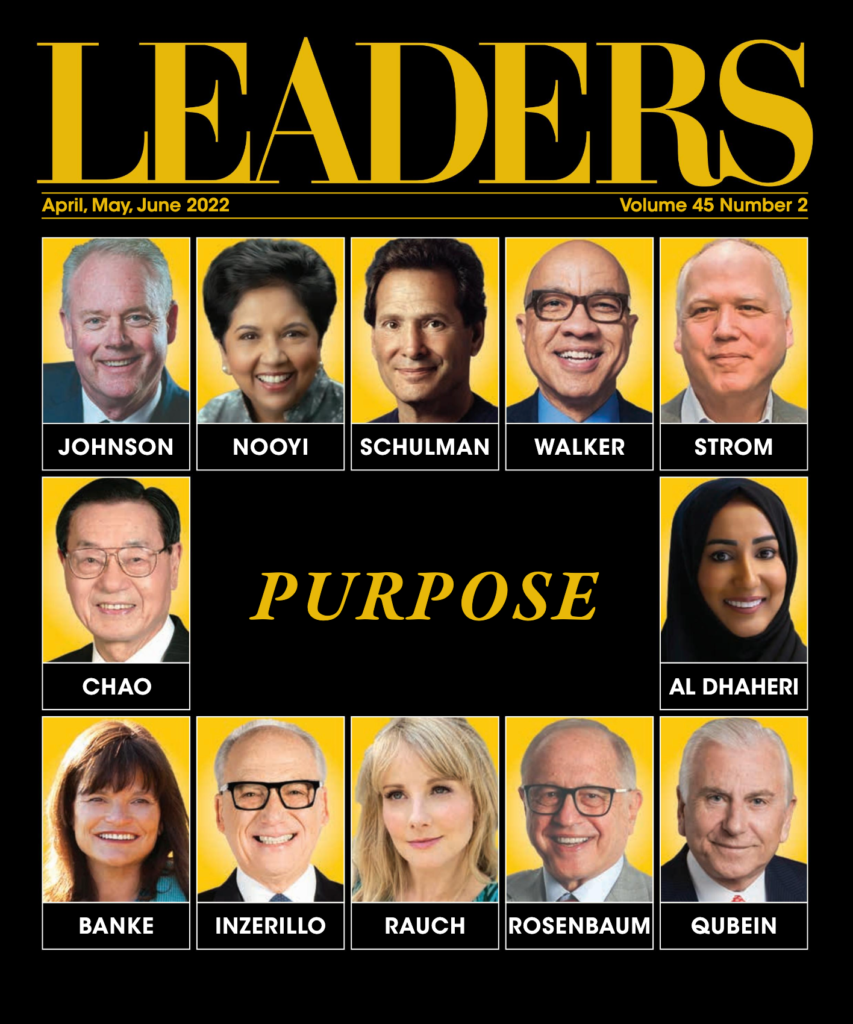
LEADERS Magazine: Digital Darwinism – An Interview with Brian Solis
via LEADERS Magazine – April, May, June 2022 – Volume 45 Number 2 ISSUU digital magazine version | Web version | PDF Digital Darwinism: An Interview with Brian Solis, Global Innovation Evangelist, Salesforce EDITORS’ NOTE Brian Solis is a world-renowned digital anthropologist and futurist who serves as Global Innovation Evangelist at Salesforce. Solis is also an eight-time best-selling author and international keynote speaker. Forbes has called him “one of the more creative and brilliant business minds of our time,” ZDNet said that Solis is “one of the…

The AI Journal: Top 20 Digital Transformation Pros you NEED To Follow
Via The AI Journal According to IDC, over the next four years, worldwide Digital Transformation technology investment is set to reach at least $7.4 trillion and will be the first time that DX will account for the majority of IT spending – predicted to be a huge 53% of budgets. Digital transformation is a set of methodologies and tools which are used by modern companies to optimize their operational activities, such as increasing their reach power, providing differentiated service and…

TheStreet Quotes Brian Solis Exploring the Future of Cashless Commerce
via Veronika Bondarenko, TheStreet With the use of cash dropping around 15% per year since 2017, it is no surprise that we’re starting to see more and more cashless restaurants pop up around us. Between the pandemic and general digitalization, only 16% of Americans were found to “always” have cash on them in 2020. The move toward credit cards, apps, and phone-based payment methods has become a self-fulfilling prophecy. If people stop using cash, then places will consider stopping accepting…