
Amit Chowdhry at Pulse 2.0 covered the big news! Brian Solis officially joined Salesforce as Global Innovation Evangelist. Renowned keynote speaker and digital evangelist Brian Solis announced he has been hired as Global Innovation Evangelist at Salesforce. Solis is known for studying global digital trends in order to understand their impact on market dynamics and identifying opportunities for innovation. Solis researches digital transformation, innovation, customer experience, disruption, and digital commerce. And as a “digital anthropologist,” he also observes the evolution…

Brian Solis Named Among the 20 Top Virtual Keynote Speakers
Brian Solis ranked #2 on the list of “Top Virtual Keynote Speakers You’ll Ever Hear” via ReadWrite. If you were organizing an event for your company and don’t know how to continue, contact a virtual keynote speaker. With modern technology, video conference calls are easy to set up and can be done remotely if necessary, with all of the same benefits. Brian Solis Few people understand the impact that technology has had on business and society more than Brian Solis….
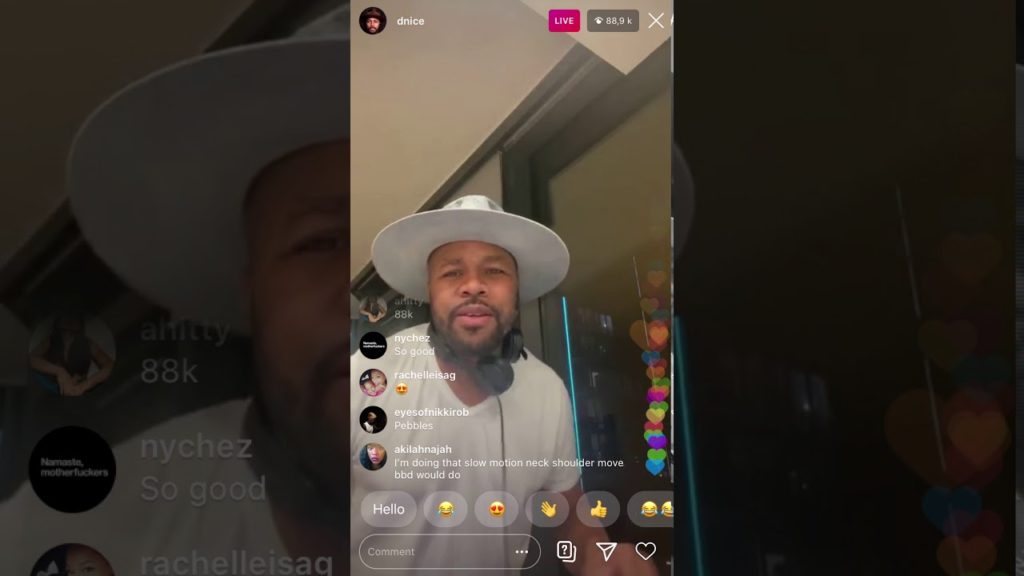
USAToday Explores the Rapid Renewal of Live Social Media Video in Times of the Coronavirus
Jefferson Graham of USAToday explored the renewed phenomenon of live social video in the era of Coronavirus. He interviewed Brian to discuss its impact and also, whether live social video thrives in a post Coronavirus world. Here’s an excerpt: Independent analyst Brian Solis says live viewership had taken a dip and was rediscovered for a simple reason: “The idea of live rekindles the early sense of social media,” he says. “It feels good to be with people.” And Live…
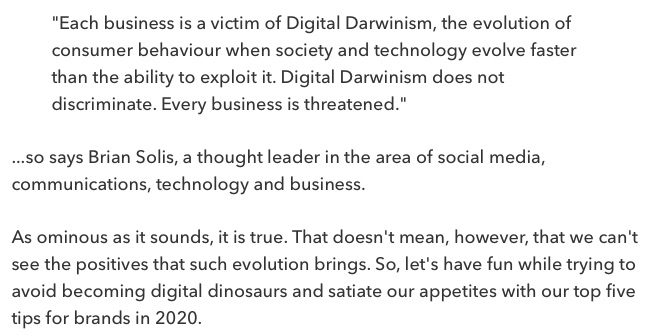
The Drum: Tips to help brands excel in 2020
The Drum aims to help readers demystify marketing disruption through expert insights. A recent article on helping brands excel in 2020 featured Brian Solis’ premise of “Digital Darwinism” and its impact on market evolution. “Each business is a victim of Digital Darwinism, the evolution of consumer behaviour when society and technology evolve faster than the ability to exploit it. Digital Darwinism does not discriminate. Every business is threatened.” …so says Brian Solis, a thought leader in the area of social…
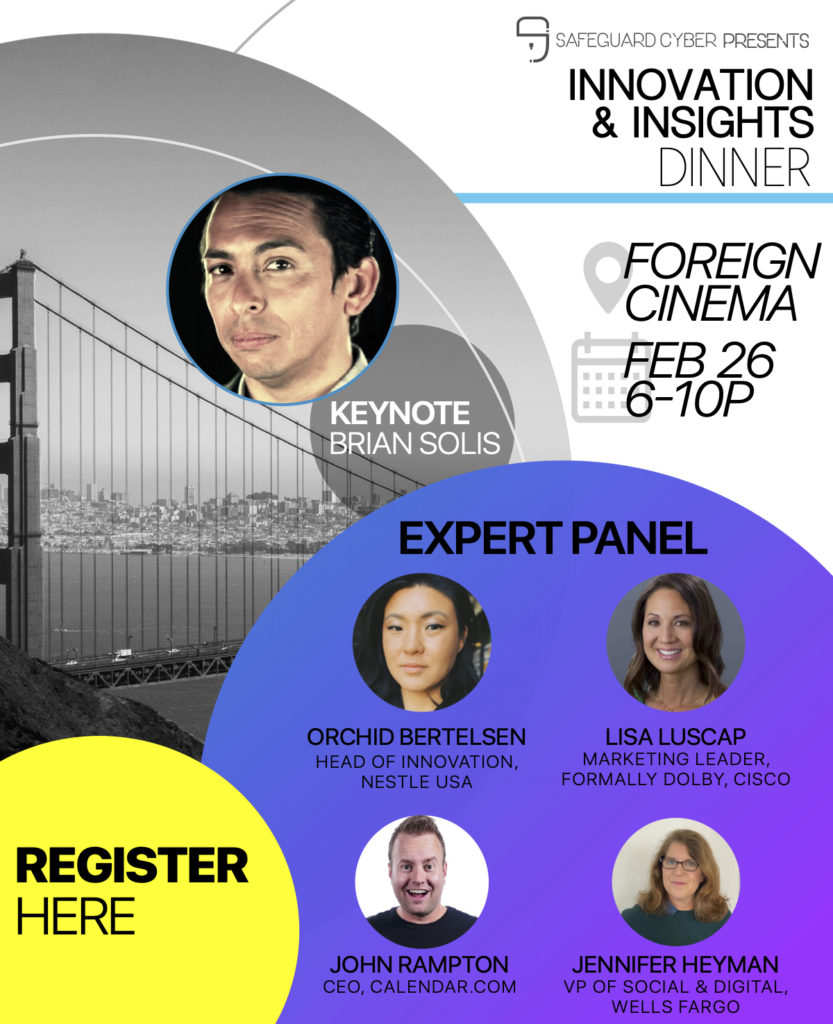
Safeguard Cyber Features Brian Solis as Keynote Speaker
SafeGuard Cyber featured Brian Solis as a keynote speaker as part of its dinner series in San Francisco. Brian will share his research and insights around digital transformation, innovation and the importance of change agents. The event also featured the following business leaders: Orchid Bertelsen, Head of Innovation Nestlé USA John Rampton, CEO, Calendar Lisa Luscap, marketing leader Jennifer Heyman, VP of Social and Digital, Wells Fargo To book Brian as a live or virtual speaker, please contact his team…
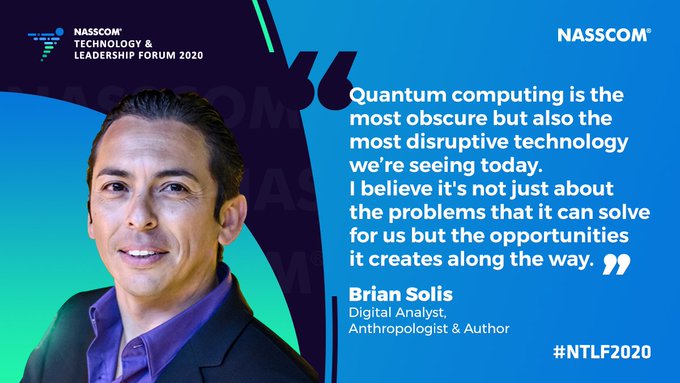
NASSCOM Introduces Brian Solis as Keynote Speaker on Quantum Computing and the Intersection of Tech and Humanity
Brian Solis recently keynoted the NASSCOM Technology and Leadership Forum in Mumbai, India. Brian had the opportunity to present two keynote presentations, one on the state and future of Quantum Computing in the enterprise and also another on the intersection of humanity and technology. Brian’s presentation on quantum is available on Slideshare. Following his presentations, Brian also joined Suresh Venkat on Digital Disruptors to discuss his topics and also share his views on current and future digital trends. To book…
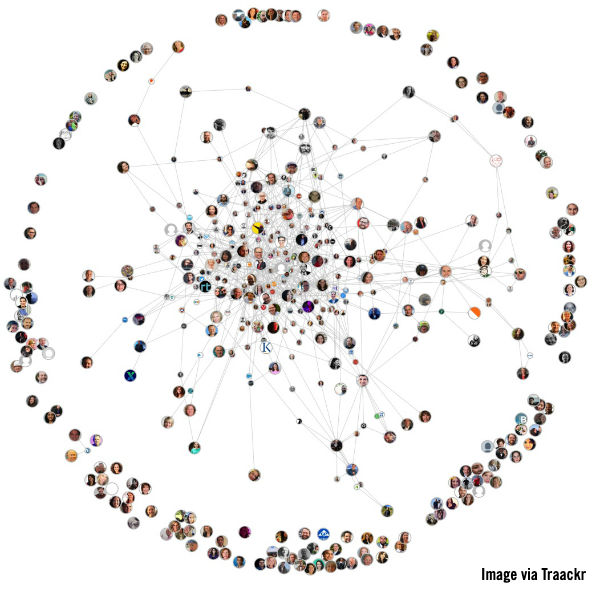
TopRank References Brian Solis as an Influencer Role Model in Its New List, 5 Key Traits of the Best B2B Influencers
Industry thought leader on digital marketing and influence Lee Odden, TopRank listed Brian Solis in his latest list “5 Key Traits of the Best B2B Influencers.” Brian is referenced under “Popularity.” There’s no one formula for the perfect B2B influencer, but there are some common characteristics that B2B brands should look for in varying proportions according to what’s important to a program or activation. I call those characteristics the 5Ps of B2B Influence. Popularity While network size is not the…
Digital Analyst and Futurist Brian Solis to Keynote Georgia State’s Future of Marketing Conference
A new conference presented by Georgia State University’s Robinson College of Business will bring together senior marketing professionals from throughout the Southeast for a half day of learning with leading futurists and some of the nation’s most knowledgeable marketing executives. The Future of Marketing Conference will feature Brian Solis was announced as the opening keynote. Brian will share a brand new speech on the rapid rise of distracted consumerism and the future of experience design. Brand and marketing executives can…

TechTarget Asks Brian Solis About Google’s Meena AI Chatbot and Its Role in CX Innovation
TechTarget’s Don Fluckinger rounded up industry experts to explore Google Meena’s next-generation conversational AI. He always brings together a great group for a productive and thoughtful conversation. Leading digital analyst Brian Solis believes that Meena represents a potentially significant leap forward in conversational AI. Today, chatbots are largely used in rule-based engagements, sitting on top of structured data to perform a set of limited operations. They connect customers to common information or facilitate everyday transactions. In the more effective cases, AI is…

SAP’s The Future of Customer Engagement and Experience Spotlights Brian Solis’ Thoughts on Customer Data, Privacy and CX
On Twitter, SAP hosts regularly hosts the #CXTweetChat where experts gather to discuss the top trends in customer experience. In a recent Tweet Chat, Brian Solis joined to share customer data, privacy and marketing as CX. Tracey Wallace captured the entire conversation for SAP at The Future of Customer Engagement and Experience. Call it traction. Call it swing. Call it group think. Whatever you call it, there’s something magical about an organization all working toward the same end goal. Perhaps…