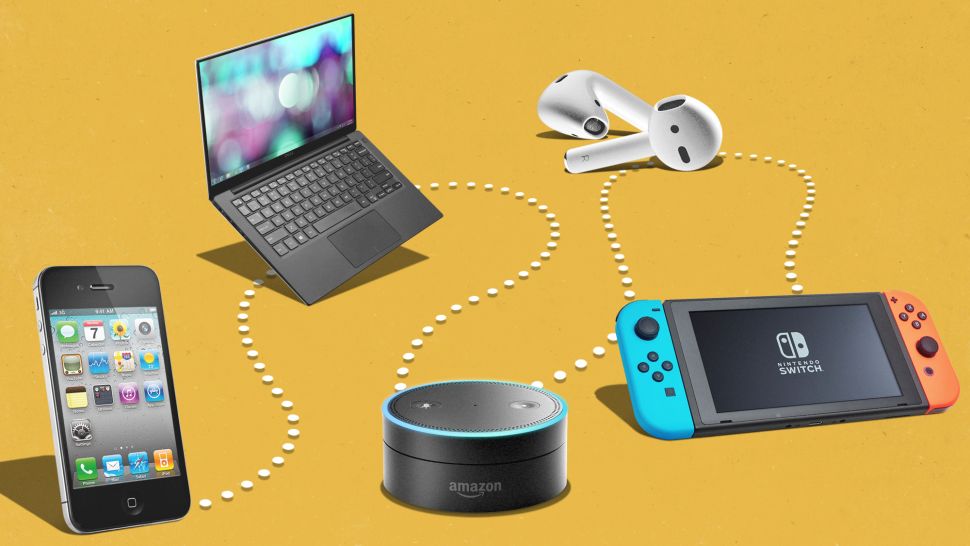
Heading into 2020, Tom’s Guide featured its review of “The 15 Best Tech Products of the Decade.” One of the top innovations named was Instagram (2010). No app satiates our scrolling compulsions quite like Instagram. When the social media platform debuted in 2010, its signature filters and grid layouts didn’t feel exclusive to photographers. With improving smartphone cameras, anyone could share snippets of their life in tiny squares. Tom’s Guide reached out to Brian Solis for his take on why…
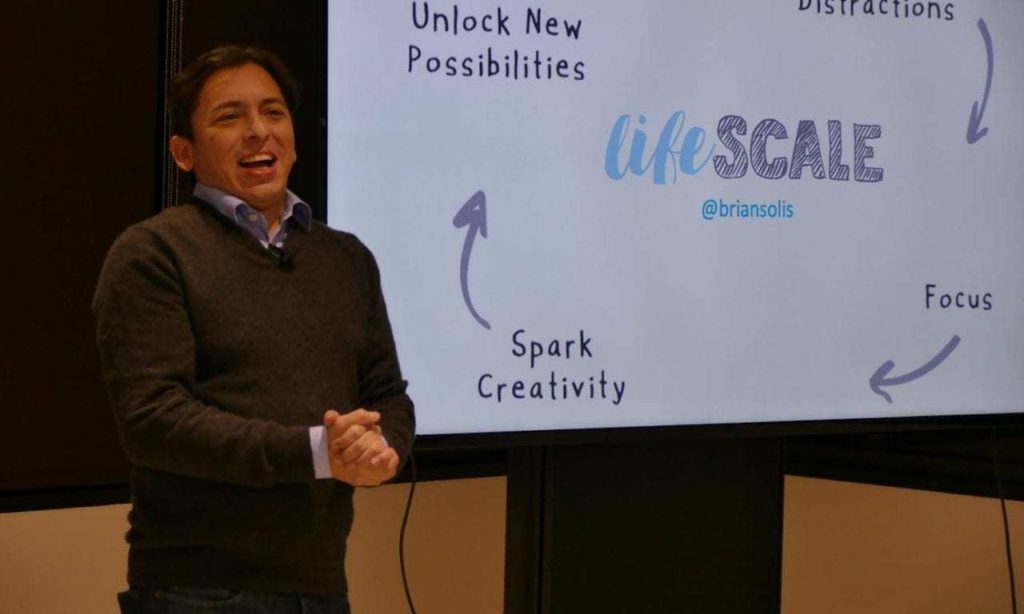
Grit Daily Covers Brian Solis’ Talk on Lifescale in San Francisco
Brian Solis was recently asked to give a talk on his latest book Lifescale at the long-standing and highly regarded SFNewTech event in San Francisco. Grit Daily’s Sandra Ponce de Leon, and long-time friend of Brian, attended to cover the talk. Her excellent summary of the event is published here. Lifescale is a guide for unleashing creativity and a path to true happiness. We are checking our smartphones an average of 47 times per day and spending close to 3…
Brian Solis Adds to Digital Marketing Lexicon with Term Fast Advertising
The Travel Vertical website, subtitled “Weekly stories curated exclusively for digital tourism marketers,” credits Solis with coining the up-to-the-minute term “Fast Advertising.” In the article “Two Digital Trends to Watch: Fast Advertising and Cheap Video,” Laurie Jo Miller Farr compares Peloton’s holiday ad and Aviation Gin’s creative, rapid response. She writes, “Speed matters; the faster the better. If you’ve followed the marketing fiasco over “The Gift That Gives Back,” Peloton bike’s holiday commercial, you’ll appreciate what Brian Solis, digital analyst,…
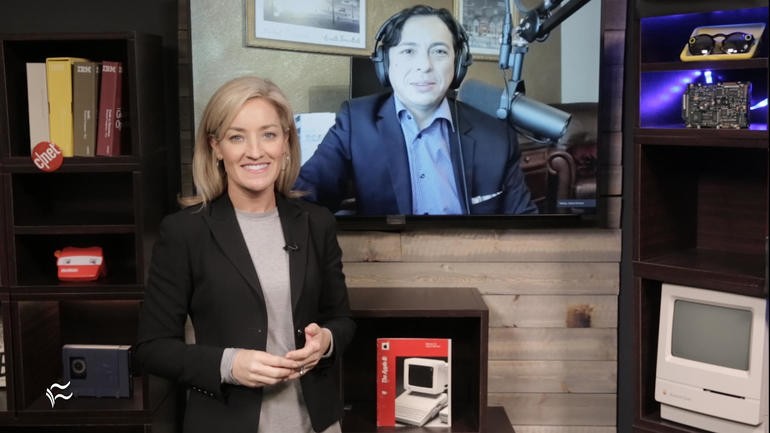
Align Digital Transformation with Business Modernization to Compete for the Future
Digital transformation is more important now than ever, but some organizations are more difficult to change than others. I love it whenI get to join Karen Roby on her TechRepublic show. Each time, we discuss leading business technology news and trends and I honestly geek out each time. In our latest episode, we explore the hurdles facing organizations and how to overcome them as they go through digital transformation. We also explore some highlights from the Salesforce Dreamforce 2019 event….
Personal Innovation During Times of Digital Disruption
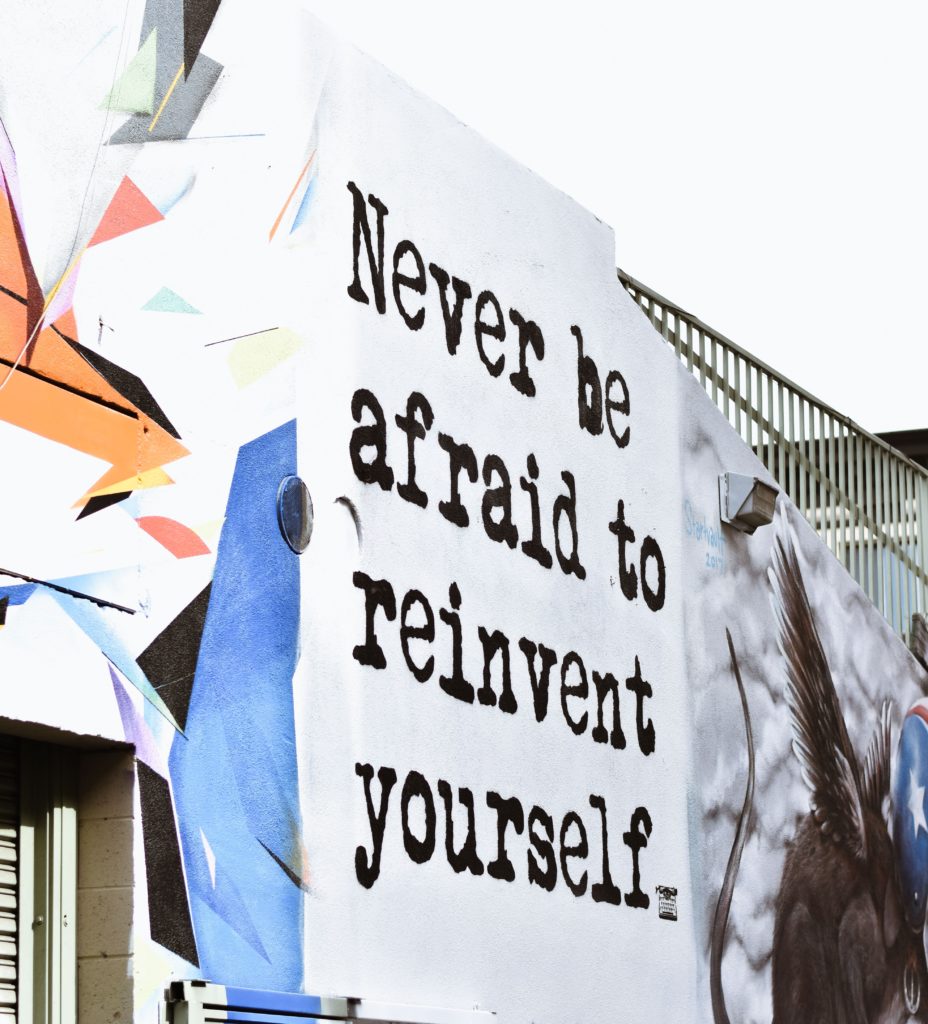
Note: For mobile users, please subscribe to my new feed here and unsubscribe from the old Feedburner feed. Ever have one of those conversations with someone you care about where you’re left feeling inspired and motivated? They’re rare occurrences in my life. I can count on one hand how many people I’m lucky to know who leave me feeling this way. One recent conversation was with Jim Marous, Publisher at The Financial Brand. If you’d like to listen to that conversation,…
Silicon Valley Uncovered: The evolution of tech, media and its impact on society
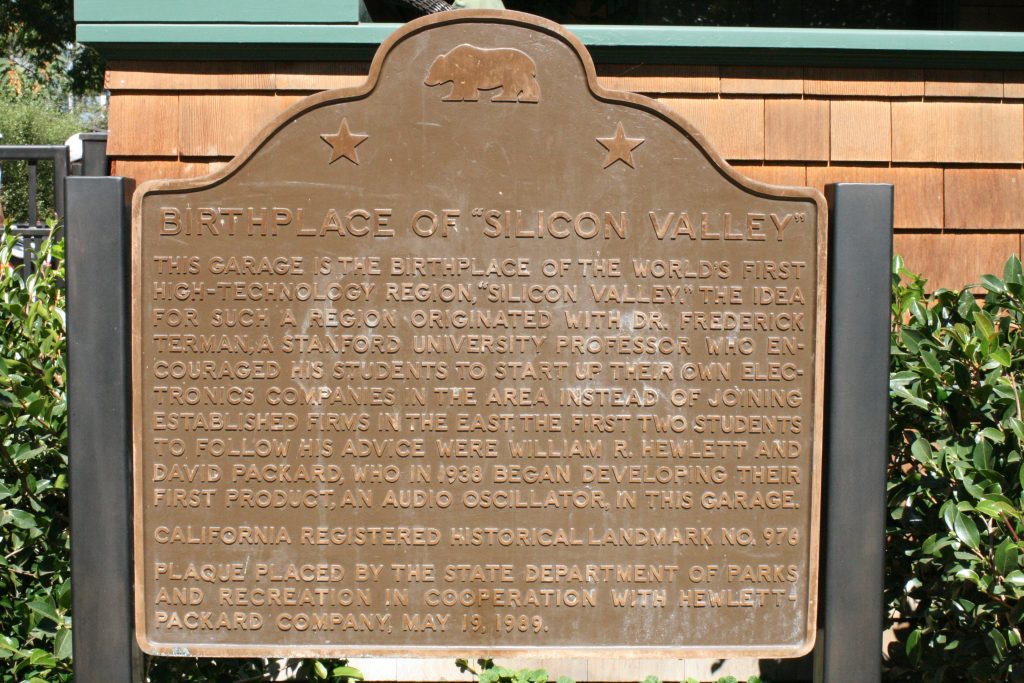
In 2010, my dear friend Hermione Way invited me as the first-ever guest on her then new show, “Silicon Valley Uncovered” for TheNextWeb. It aired on January 18th, 2011. I share this with you because the conversation, while several years old now, is strangely better suited for today and the modern times in which we live and work. I’m not even sure how I stumbled across this interview. To be honest, I’m taken aback by how prescient and philosophical this conversation…
Breaking the Digital Fourth Wall Through Experiential Storytelling
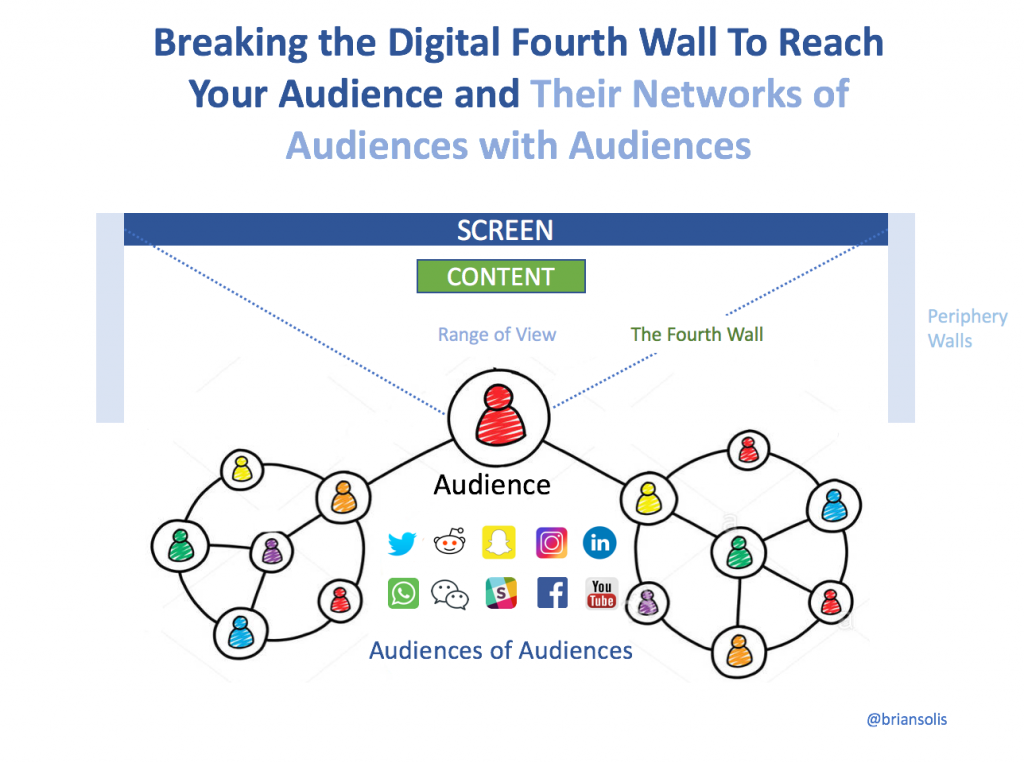
The fourth wall is the space that separates a performer or performance from an audience. A character, actor, author or storyteller “breaks the fourth wall” when they address the audience directly. As an analyst, author, blogger, podcaster and creator, I am by default, in the content business. Dedicating time to produce my work matters not if no one happens upon it. But once someone discovers my work, it must convincingly pierce the fourth wall between the medium and them to…
MarketWatch: This is how the smartest companies are leading the tech (r)evolution
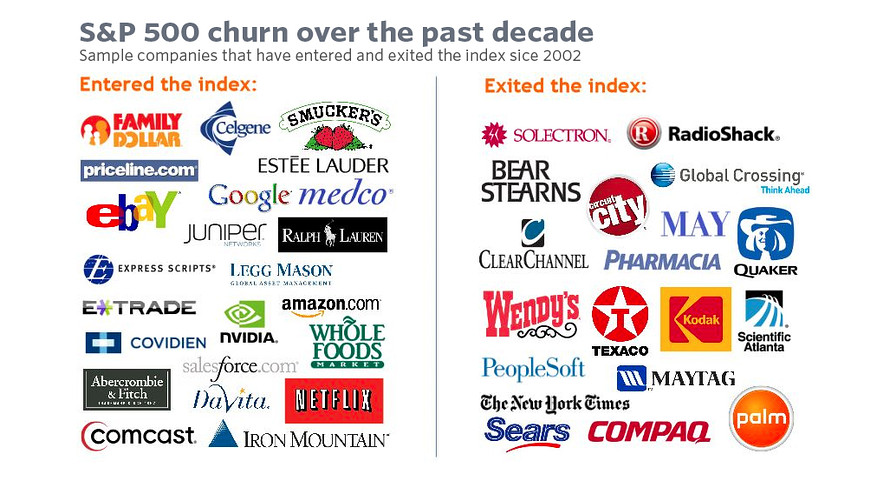
As a digital analyst and anthropologist, I study disruptive technology’s effect on business and society. I call this “digital Darwinism.” It’s a modern-day take of creative destruction through the lens of disruptive technology.
The effect of digital Darwinism on Corporate America is real, and it’s enlivened though evolutionary changes in people (customers, employees, and business partners) — how they think, learn, and make decisions; what they expect, prefer, and value; how they influence and are influenced. The question is, at what pace or extent is a company tracking against digital Darwinism in its industry?

iPerceptions: Customer Experience Must-Reads
We are in a new era of customer experience. Do you know how customers interact with your brand? Do you know how they feel about your services? What they tell their friends? In his new book “X: The Experience When Business Meets Design,” Brian Solis gives readers the answers. If you think your creative marketing and customer service are good enough already, think again.

CNET: Facebook Live — Where a YouTube star can earn like an Olympic icon
It’s exactly at a place like VidCon that you realize even though “internet famous” might still smack of a lower worth than “Hollywood famous,” the line is blurring.
“[Younger millennials and Generation Z] are not watching television, they’re not reading magazines the way that younger generations did before them,” Solis said. “Their idols are these online creators because their mobile phone is their television screen.”