
James Bourne of industry publication MarketingTech recently conducted a long and wide-ranging interview with Brian Solis about the present and future of their industry.

CNET: Google walkout was ‘unprecedented.’ It could prompt more tech protests
Tech publication CNET recently covered the politically-inspired walkout of Google employees, quoting from Brian Solis’ thoughts on the subject.

El Watan News: Waiting for the Opening: Youth Forum “Sharm El Sheikh” Sing In All Languages of the World
News organization El Watan News recently covered the World Youth Forum in Egypt, and featured Brian Solis’ keynote address there.

Cision PR Newswire: Experian unveils the future of instant credit and identity management
Industry publication Cision recently shared the news of Brian Solis joining the senior executives of Experian for a public event sharing how technology is modernizing the world’s largest information services company.
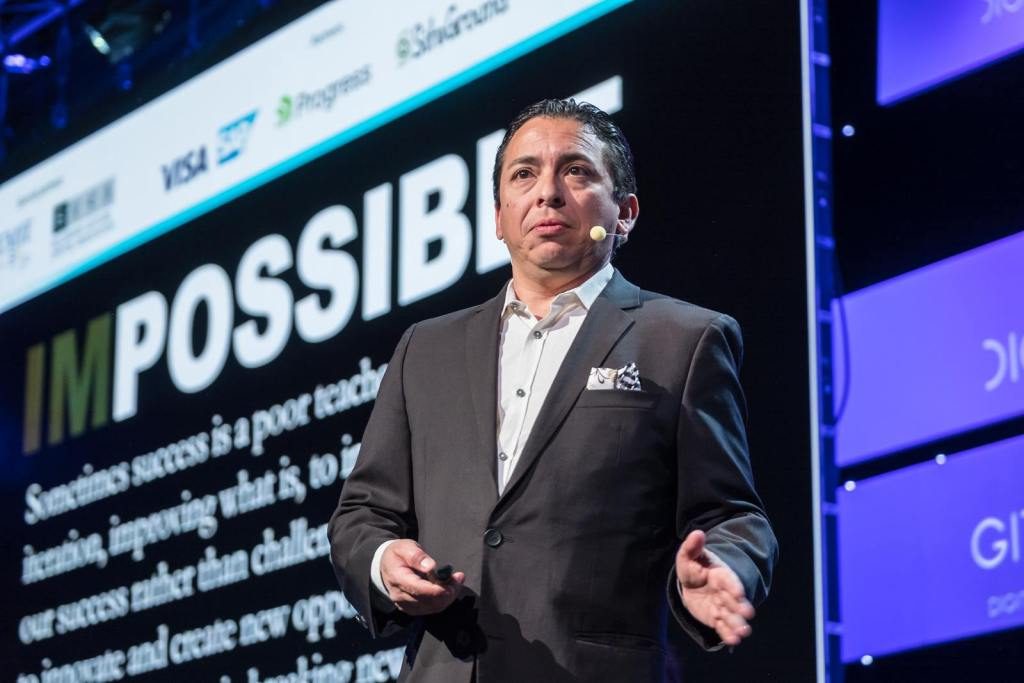
Rynda Laurel: Russell Brand to miss SxSW Keynote with Brain Solis. My thoughts & why I care.
Rynda Laurel, who coordinated a talk between Brian Solis and Russell Brand as the keynote to this year’s SXSW Interactive festival, recently addressed Brand’s decision to cancel his appearance, sharing her thoughts on his recent struggle to achieve sobriety in his life.

CoMarketing News: Influence Marketing is Still Far From Mature…
French marketing publication CoMarketing News recently did an article on the still relatively young state of influence marketing, citing Brian Solis’ “Influence 2.0” study he did for Altimeter.

Viuz: AI Marketing: New Principle of Intelligent Automation
French marketing publication Viuz recently did an overview of early efforts into using AI for marketing purposes, citing Brian Solis’ thoughts on the subject.

Richtopia: Philanthropists Top 100: From Warren Buffett to Elon Musk, These Are the Most Charitable People in the World
Industry publication Richtopia recently released their annual Top 100 Most Influential Philanthropists list for 2018, placing Brian Solis at number 59.

Yahoo! Finance: ‘Tech addiction’ solutions are a billion-dollar market opportunity
Yahoo! Finance recently published an article on the growing number of commercial solutions to tech addiction, citing Brian Solis’ thoughts on the subject.

Simplr: 15 CX Superstars to Follow if You’re in eCommerce
Industry publication Simplr recently compiled a list of their 15 favorite writers in the field of customer experience (CX), citing Brian Solis’ work in particular.