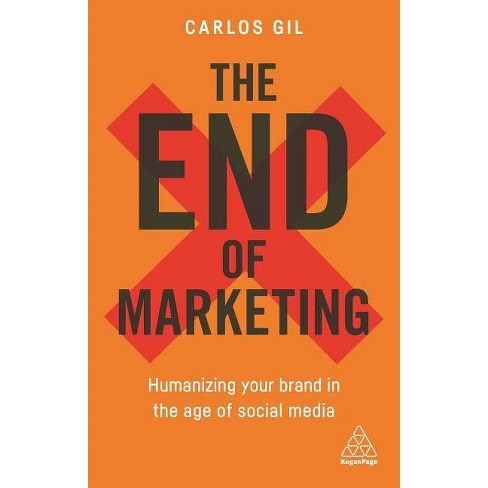
Congratulations to Carlos Gil on the release of his new book, “The End of Marketing: Humanizing your brand in the age of social media.” Carlos is a long-time friend and I was genuinely appreciative when he asked me to write the foreword for his first book. All I asked was that I could share the foreword with you upon the book’s release. I hope it helps you! This is the end of what was and the beginning of what’s next…
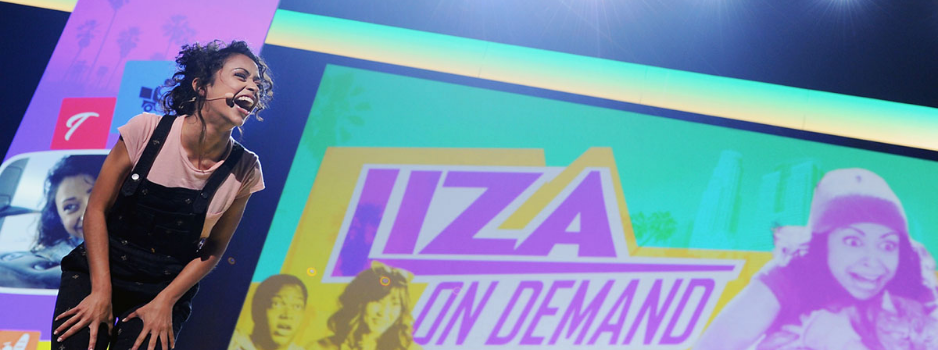
V by Viacom: What VidCon Revealed About the Future of Brand and Creator Collaboration
Nicole Bitette of Viacom’s “V” blog recently did an overview of 2018’s VidCon, and extensively quoted Brian Solis’ event keynote address.
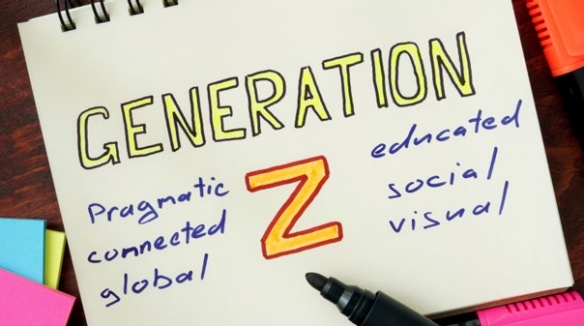
Marketing to Generation Z starts by unlearning traditional marketing principles
Guest post by Connor Blakley (@BlakleySpeaks), a serial entrepreneur, adviser, speaker, and youth marketing/branding strategist. He’s also a teenager and someone whom I mentor. Connor was named as the ¨#1 High School Entrepreneur to Watch in 2016¨” by StartUp Grind Generation Z, America’s youngest generation (Born in 1996 or later) has never lived in a time when the barrier to real-time information and communication has been nearly nonexistent. By 2020, Gen Z will account for 40% of all consumers, making it more important…
Investing in Social Networks to Earn Influence and Reciprocity
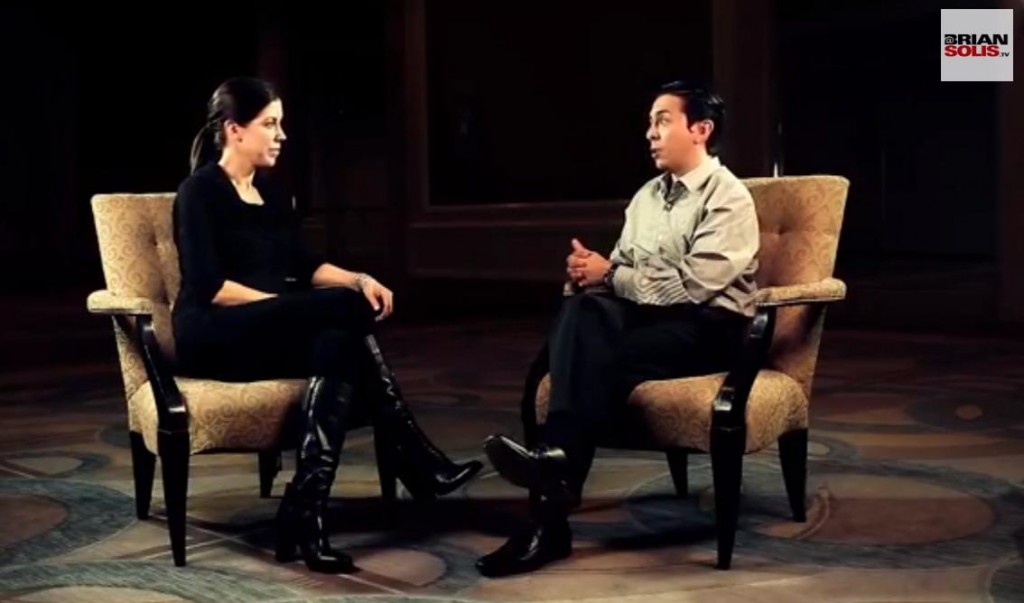
On this special episode of Revolution, we meet Porter Gale, former VP of Marketing of Virgin America, advisor to exciting startups and business ventures, avid speaker, and also the author of the best-selling book, Your Network is Your Net Worth. Porter is someone whom I personally admire and have also had the good fortune to work with over the years. With Porter, no matter what she’s working on, everything begins and ends with people. She shares her recipe for success…
In Social Media, the Customer is Always Right – Right Now
Frank Eliason and I have known each other for many years. We’ve shared the stage on many occasions, he’s made an appearance on Revolution, and most importantly, I’m proud to call him a personal friend. Frank has championed the adaption and transformation of customer service during his time at Comcast and at CITI. Never one to shy away from sharing his opinions, he’s certainly bullish on where service needs to be as a function and a philosophy versus where it…
Social CRM Needs Clarity
As the headline implies, even though Social CRM exists as an official category, what it is and what it is not is blurry and hotly debated. No, it doesn’t need a new definition. And, no, it doesn’t need new leadership. sCRM, and now “social enterprise” as categories could however, benefit from clarity around what it is they’re solving for, which companies actually provide solutions against those objectives, and ultimately, how everything works together for the benefit of customer engagement and…
Malcolm Gladwell, Your Slip is Showing
Solidarity Time is always limited, but in these historic times, I wished to add perspective in the hopes of moving this important conversation in a productive direction. Malcolm Gladwell continues his march toward dissension with his latest installment in the New Yorker about social media vs. social activism. Honestly, Gladwell is more than welcome to share his thoughts as it is a democratized information economy after all. I do find it alarming however, that he is wielding his influence through…
Best of 2010: We the People
There’s an old saying that I think about more and more as I study technology and its impact on behavior…technology changes, people don’t. But nowadays, I’m not so sure. I think technology is indeed changing and us along with it. Whether it’s through social networks or digital lifestyle products such as iPhones and Kindles, we are adapting and perhaps evolving as a result. Through social networks such as Facebook, Twitter and Foursquare, we are learning to live our lives online,…
Video: From Social Graphs to Interest Graphs
In the next installment of discussions exploring the state and future of social media, Chris Beck, founder of 26dottwo (@26dottwo) and I review how relationships online are evolving from social networks to social “nicheworks” or contextual networks. In social media, how we connect with one another reflects our interests as well as our contacts. We’re adapting our definition of relationships to now also include a new, thinner layer of “relations” in order to refine our online experience as well as…
Video: 2010 The Banner Year for Social Media
In part nine (which is really the first part) of a series of conversations exploring the state and future of social media with Chris Beck, founder of 26dottwo (@26dottwo), we define the metamorphosis of media production, discovery and consumption and how social networking is affecting behavior and communication. Our social graphs are shifting from linear connections (those we know) to nonlinear ties defined by those we know, hope to know, don’t know but share ideas, and those who endeavor to…