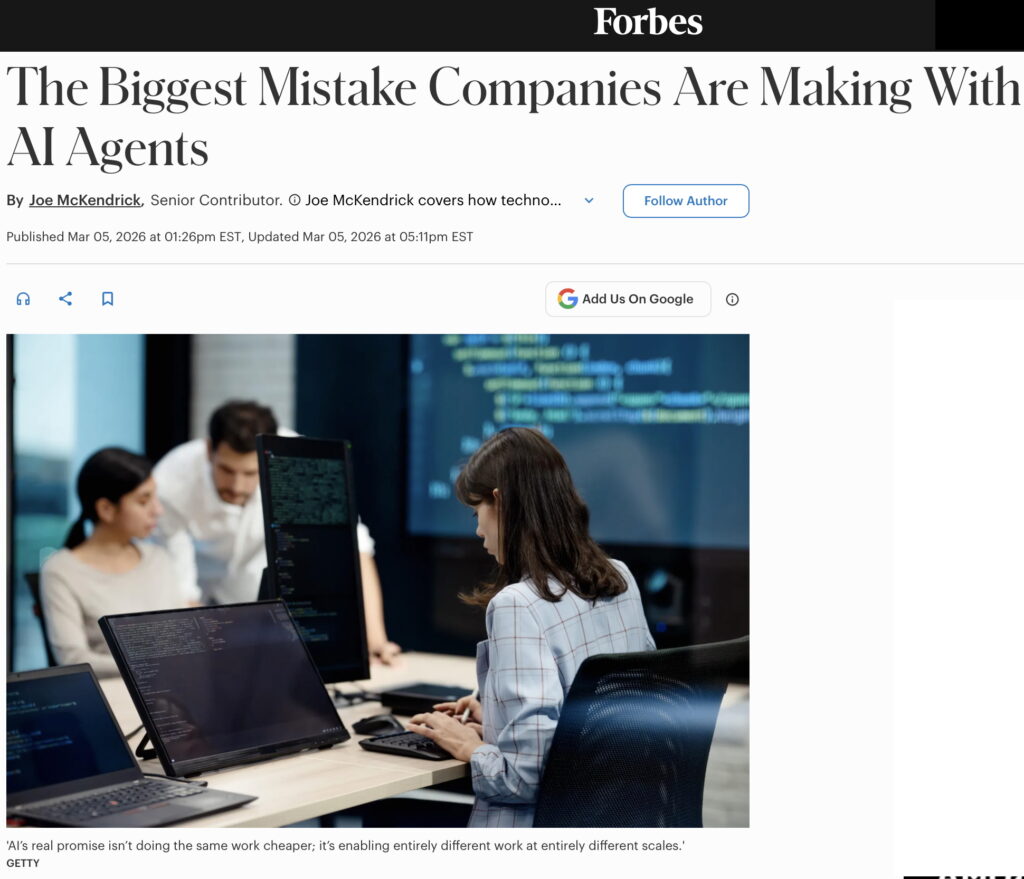
Industry analyst Joe McKendrick broke-down Brian Solis’ latest ServiceNow research report, “Work Reimagined: The Human + AI Blueprint for Exponential Performance,” in his latest Forbes column. Business leaders need to consider the possibilities of human-AI collaboration beyond simple task replacement, urges Brian Solis, global head of innovation for ServiceNow and a highly regarded digital analyst and anthropologist, in a compelling thought-leadership piece. He makes the point that he sees many companies attempting to simply slap on AI or associated agents…
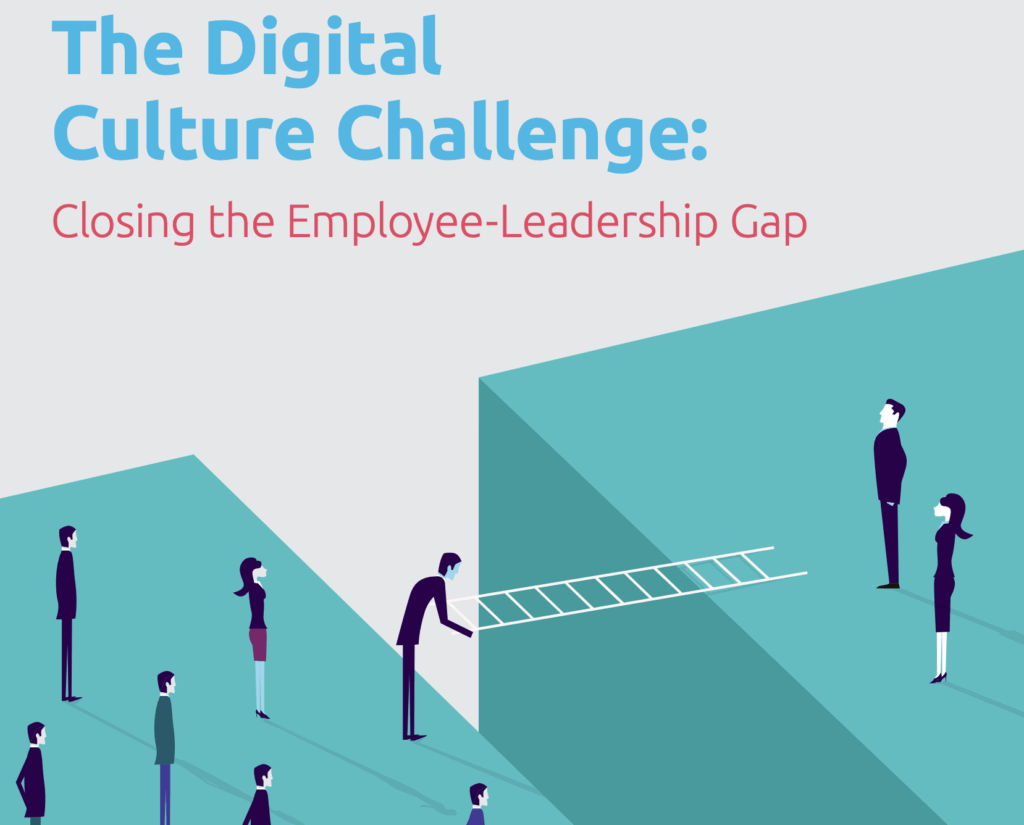
The Digital (and AI) Culture Challenge; Bridging the Employee-Leadership Disconnect
I would have forgotten all about this report I co-authored with Jerome Buvat of Capgemini in 2017 if I hadn’t received an email from Sara Fonseca from Insead. She’s working on research around the shaping of organizational cultures in the context of larger digital transformations. Her inquiry centered on our report that explored the expansive gaps between executives and employees around leadership, digital transformation, and culture, “The Digital Culture Challenge; Bridging the Employee-Leadership Disconnect.” Her email inspired me to revisit…
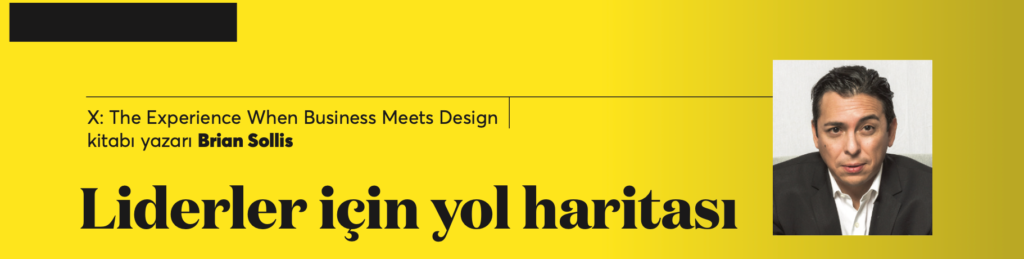
Liderler için yol haritası – An Interview with FAST COMPANY Turkey About Becoming a Customer Company
I had the pleasure of speaking with M.Rauf Ates, founder of Fast Company Türkiye about research I helped lead with Harvard Business Review Analytical Services. In this conversation, we explore how to become a customer company, beyond the lip service. The research offers 8 steps to give meaning to business, operational, and digital transformation as informed by Ethan Allen, Kellogg’s, Kimberley-Clark, and Pacific Life. Below, I’ve included a translation using Google Translate. If you find errors, please let me know!…

Enterprise Times: 15 key statistics from Salesforce’s State of Connected Customer Report
via Roy Edwards, Enterprise Times Salesforce’s State of Connected Customer Report provides insights from 17,000 consumers and business buyers on the new customer engagement landscape. The Trust-based economy moves to the forefront 88% of customers believe trust becomes more important in times of change. Research from Edelman points to business as a “stabilising force,” while institutions like government and media are eyed with increasing suspicion. Given their inherent opt-in nature, transactions are at risk without a baseline of confidence that…

Financial Times: Maersk hits cultural storms en route to digital destination
FT author Peggy Hollinger explores Maersk’s attempt to rebrand as a technology-led, end-to-end logistics provider is creating tensions. Original story link. An article in that appeared in FT (Financial Times) referenced award-winning research conducted by Capgemini and Brian Solis. The report, “The Digital Culture Challenge: Closing the Employee-Leadership Gap,” was an industry-first study that measured the digital divide between front-line change agents and executives. How Maersk deals with the tensions that arise from these changes could determine the success or failure…
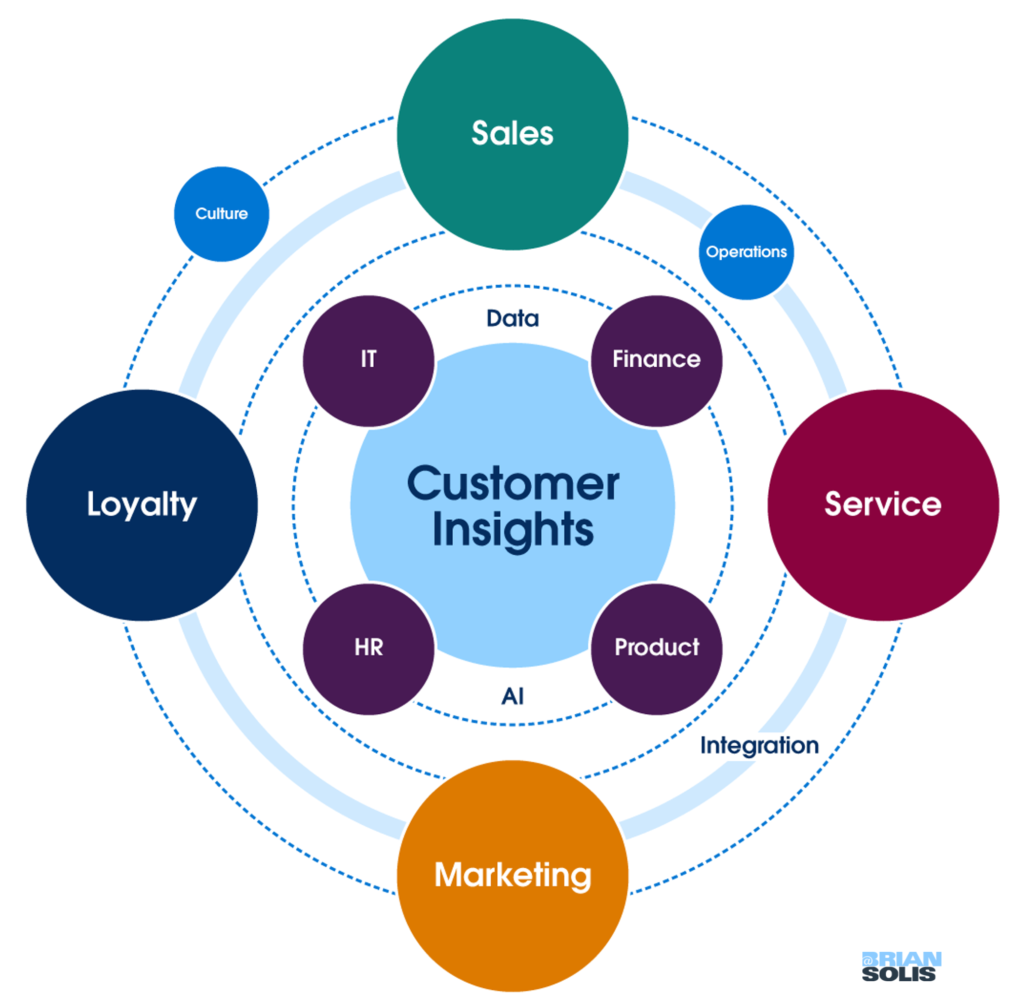
Special Report: A Blueprint for Becoming a Customer-Unified Company; Making the Customer’s Experience the Heart of the Enterprise
Customer experience is the number one priority as ranked by executives around the world. Even though most may say they’re already “customer-centric,” the reality is that only 15% say they have both a single (360-degree) view of customer data and the organizational structure to make use of those insights. At Salesforce, I recently had the opportunity to work with Harvard Business Review Analytic Services (HBRAS) on a survey of 1,100 executives around the world exploring how to meet the future…

The Digital Change Agent’s Manifesto; Empowering Tomorrow’s Leaders from Within
In a world where digital technology is evolving faster than organizations can adapt, it’s no secret that companies are investing in digital transformation and corporate innovation. But who is leading the charge? Often, it’s the individuals who share a deep expertise and passion for digital. And while these “digital change agents” are striving to bring change from within their respective group in the organization, they aren’t necessarily seasoned or trained at navigating the cultural dynamics that drive change throughout an…
The State of Digital Transformation: What Are 2019’s Key Drivers?
Here are the key drivers of digital transformation my latest report on the subject, The 2019 State of Digital Transformation. Learn about the trends that are shaping digital transformation efforts across organizations and actionable strategies for accelerating the evolution of transformation to drive growth. Brian Solis, Author, Keynote Speaker, Futurist Brian Solis is principal analyst and futurist at Altimeter, the digital analyst group at Prophet, Brian is a world renowned keynote speakerand 8x best-selling author. In his new book, Lifescale: How to live a more…
Brian Solis’ “The State of Digital Transformation” Report Reveals The Secret to Innovation
The latest edition of Brian Solis’ “The State of Digital Transformation” report reveals that less than half of all businesses are really mapping out their customer’s journey and understanding how to connect with them. But in light of data breaches, privacy concerns and negative perception around tech, it has become even more important to understand the modern consumer’s behavior. Solis examined how brands are evolving to reflect today’s society and adapting to the latest technological shifts. He says: “This year…
The 2018-2019 State of Digital Transformation
I’m proud to announce the availability of The 2018-2019 State of Digital Transformation report. Now in its fifth year, our annual “State of Digital Transformation” research continues to document the constantly evolving enterprise. As disruptive technologies and their impact on organizations and markets continue to progress, our research aims to capture the shifts and trends that are shaping modern digital transformation. In 2018, strategic digital transformation is only becoming more pervasive moving beyond IT to impact competitiveness throughout the organization….