
A few years ago, my dear friend Stowe Boyd reached out to ask an important question in regards to future of work and business transformation. His goal was to cast the light directly on the (r)evolution lead by those who want change within the organization and also expose (and inspire) those who don’t. It’s a subject I’ve extensively studied over the years. In fact, I recently published “The Digital Change Agent’s Manifesto” to help those fighting for change learn the…
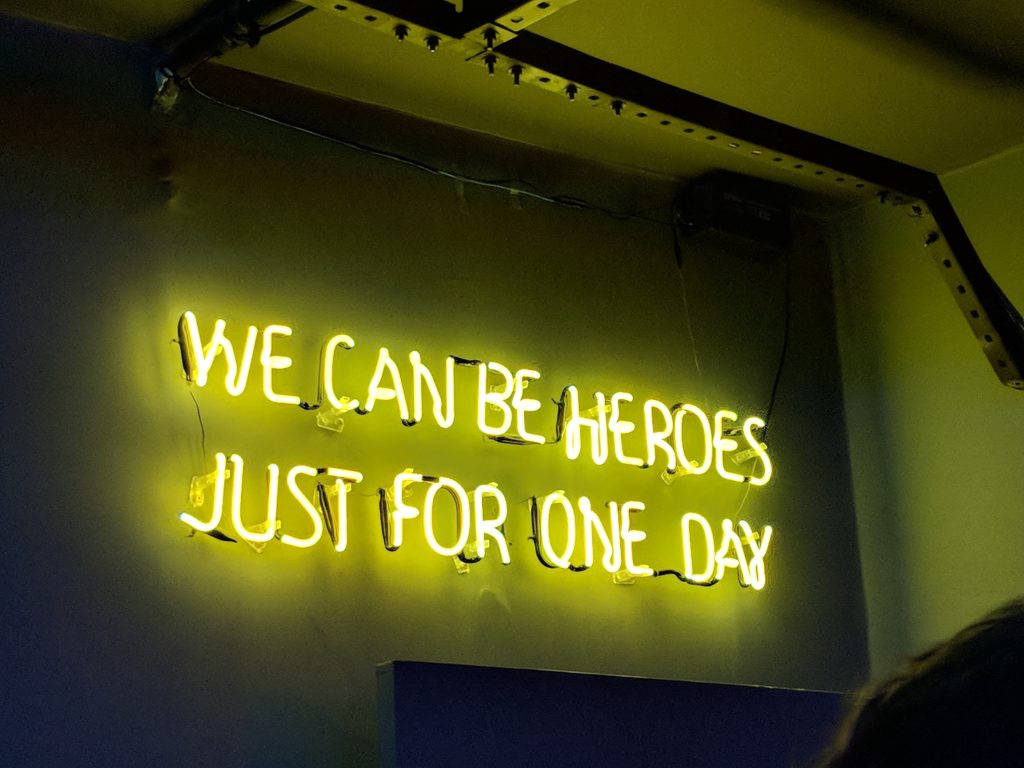
The Future Needs a Hero
My friend Nick Davis leads innovation and customer experience at Reaching the Future Faster and faculty chair for corporate innovation at Singularity University. Late in 2019, Nick and I were talking about his upcoming book, “Future Ready: A Changemaker’s Guide to the Exponential Revolution.” When I read the draft, I immediately had an idea for a foreword. We agreed. My request was that I could share it here with upon release. Future Ready is a how-to guide for changemakers who are…

Marriott International Prioritizes Innovation in Guest Experience to Cultivate Brand Loyalty and Drive Growth
There’s an old adage in business: A happy customer is a loyal customer. Focus on driving loyalty, and you cultivate a customer relationship that is not only special, but also incredibly rewarding for the business over a longer period of time. By putting loyalty at the center of everything, loyal customers become proud stewards of the brand, advocating their experiences and going out of their way to spend more time and money with the brand. In any given category, their…

The End of Business as Usual Rewire the Way You Work to Succeed in the Consumer Revolution – GetAbstract
For those who don’t have the time to read an entire book, but still need the benefits of doing so, I present to you…GetAbstract. I’m proud to announce that The End of Business as Usual Rewire the Way You Work to Succeed in the Consumer Revolution is now available, along with X, WTF, Engage!, and others! — Before the Internet and social media, consumers who didn’t like a store told a few friends, sent an angry letter or just never…

Agility is the Key to Relevance
On the importance of agility… Agility is a way of thinking and working. It’s an open and aspirational mindset, perspective and constant series of actions that incessantly seek to deliver new value to evolving markets. Agility is the key to relevance. Brian Solis, Author, Speaker, Futurist Brian Solis is principal analyst and futurist at Altimeter, the digital analyst group at Prophet, Brian is a world renowned keynote speakerand 8x best-selling author. In his new book, Lifescale: How to live a more creative, productive and happy…

To improve CX, companies must rethink the customer journey to cater to Gen C
A (r)evolution is brewing, and most companies are not prepared for it. It’s no secret how, with an overabundance of new devices and platforms available every day, customers are more empowered and finding new ways to either hack or completely ignore company touchpoints. With this complex customer journey unfolding, great marketing, products and services are not enough to win. Now, companies need to create and cultivate meaningful experiences for their customers. This starts with designing a more intuitive and efficient…
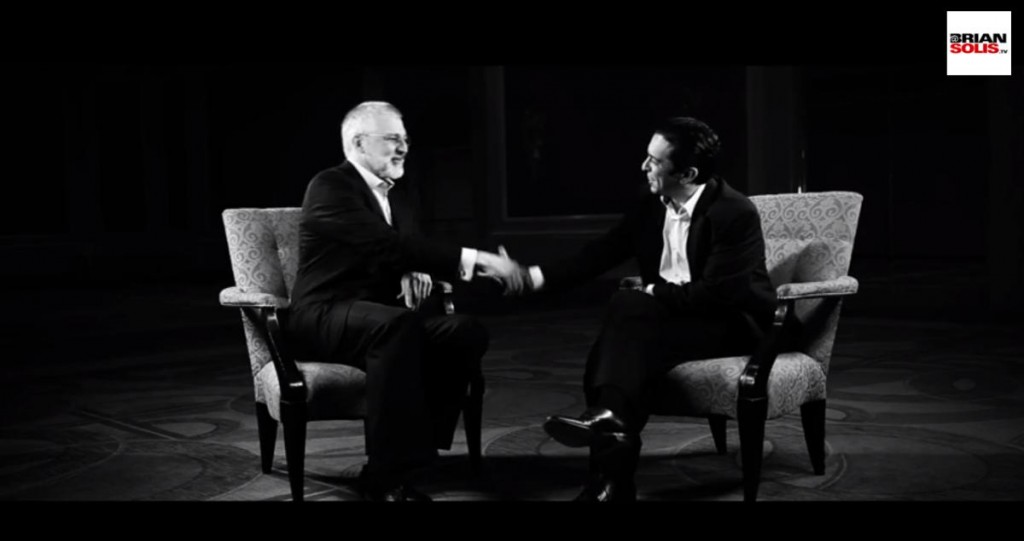
Every Company is a Cloud Company: The Relationship Between Technology and the Future of Business
People first. That’s where this discussion begins. My guest on this episode of Revolution is NetSuite CEO Zach Nelson. For running one of the leading companies in the cloud business software game, Nelson is among the more grounded and sincere technology executives I’ve sat down with in quite a while. We didn’t discuss innovation, speeds and feeds or key differentiators of NetSuite versus other companies, instead we looked at people, why and how they run businesses, and how technology enables…
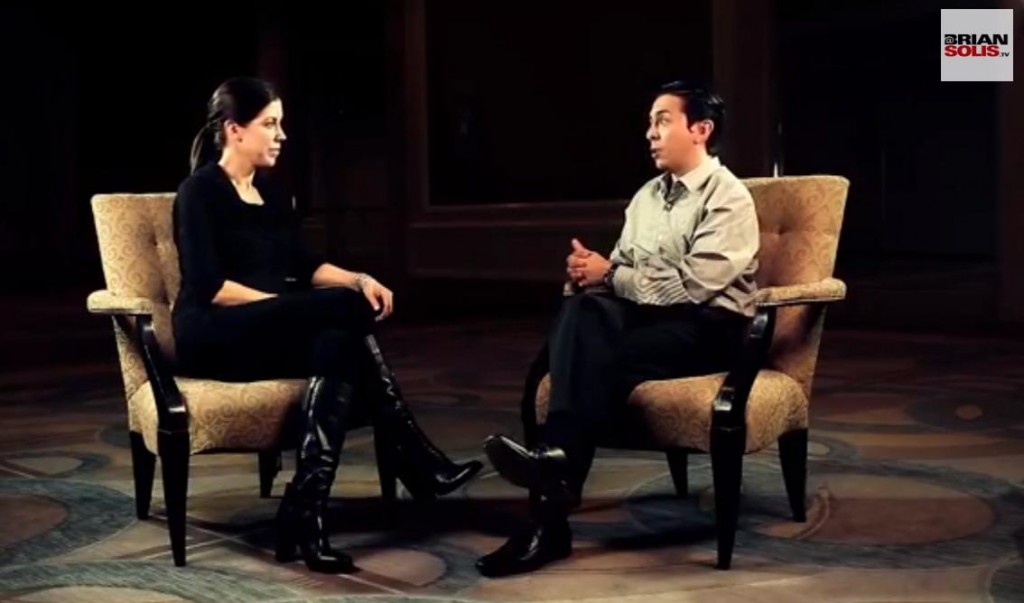
Investing in Social Networks to Earn Influence and Reciprocity
On this special episode of Revolution, we meet Porter Gale, former VP of Marketing of Virgin America, advisor to exciting startups and business ventures, avid speaker, and also the author of the best-selling book, Your Network is Your Net Worth. Porter is someone whom I personally admire and have also had the good fortune to work with over the years. With Porter, no matter what she’s working on, everything begins and ends with people. She shares her recipe for success…
How a Conversation About a New Movie Made Me Rethink How I Chase My Aspirations
On this episode of Revolution, I invited, or rather subjected myself to the antics of my good friend Hooman while on camera. In San Francisco, he’s best known as one of the main personalities on the drive-time morning show at Alice 97.3. In Silicon Valley, he’s an active participant in learning and shaping how technology affects consumer entertainment. Now he’s in the movie business…or at least trying to break in. But how and why does he think he can make…
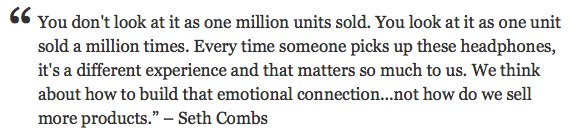
Build Experiences Not Just Products
Music is the one thing that accompanies me on my journeys, experiences, as well as my adventures in writing. While earbuds deliver sound, they do not deliver the essence of the song, the waves of sound, nor the soul of the artist. At the same time, I have a hard time justifying the need to buy overly expensive headphones just to enjoy music the way it was written or meant to be heard. One day I was shopping for headphones…