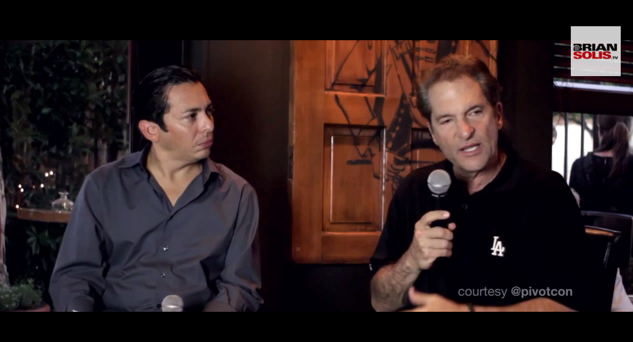
Peter Guber is one of the most successful yet grounded business leaders I have a pleasure of calling a friend. There are many sides to Peter and chances are you may know him from one of his many distinguished ventures, – Chairman and CEO of the multimedia Mandalay Entertainment Group – Past president of Sony Pictures – Producer of popular motion pictures including Batman, Rain Man, The Color Purple, just to name a few – Co-owner of the Los Angeles…
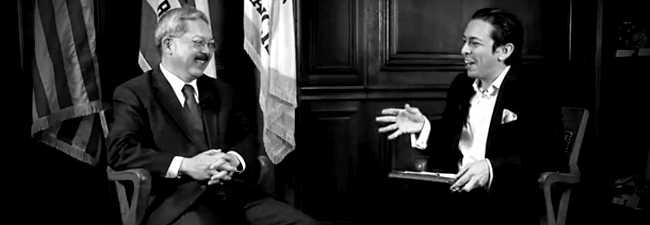
San Francisco Mayor Ed Lee Adopts Startup Culture in Government
Welcome to the season 4 premier of Revolution! Believe it or not, this is the fourth season of bring you some of the best minds exploring the revolution and evolution in tech, business, and culture. In this premier episode, I’m more than proud to host San Francisco Mayor Ed Lee on the show. Together we explore how governments can adapt and improve services by embracing startups and the culture that helps them accelerate and excel. As you’ll hear, Mayor Ed…
Will you fall or thrive in this consumer revolution? Believe it or not, you decide
In a post Occupy world, organizations everywhere should contemplate the themes that flooded the undercurrent of one of the greatest consumer uprisings in recent history. Even though some minimize the rise of Occupy as a rebellion without a cause, I believe there’s much to learn from these events to prevent them from happening again…or at least to you. What’s the Future of Business? WTF While the inspiration for the insurrection is diverse and personal, one thing is clear, everyday people…
Welcome to the Revolution: Season 4 Coming Soon
In the four months since we wrapped Season 3 of Revolution, the production crew and I took some time to reflect on the last three years. We’ve come a long way but we believe we’re also just getting started. Changes are on the horizon for the show…and that’s a good thing. We moved the set thanks to the Four Seasons in San Francisco. We’re introducing a twist to our existing format. And the guests, well, they’re hand picked to help…

You’ve got Klout!?
Digital influence is one of the most fascinating and widely debated trends in social media today. Whether or not you agree with the idea of assigning a score to individuals based on their actions in popular social networks, the reality is that Pandora’s Box has already been open. People check the scores like investors check stock prices. Brands reward “influential” consumers with products and services. Employers consult scores to lure seemingly more qualified candidates. This is already happening and as…

Is the Millennial Workforce Linked In?
Millennials aren’t only disrupting the consumer landscape, they’re changing the game for human resources. To say that the digital lifestyle of Gen Y is unique is an understatement. How they express themselves and what’s important to them is much different than the generations before them. As such, how employers need to manage and recruit this new generation of connected employees requires much more than a LinkedIn or traditional recruitment approach. Millennials are expressing themselves in a unique way, which is…

It’s Always Darkest Before the Dawn of Entrepreneurship
Understanding the investment process in Silicon Valley used to require membership to a very exclusive club of investors, plugged-in media and experienced entrepreneurs. Adeo Ressi sought to change that. After starting seven successful companies that created over $2 billion in shareholder value he was faced with diminishing equity with each new company he would start. In 2007, Ressi unveiled the anonymously backed TheFunded.com in 2007 to shine a light on the situation to improve the human and financial relationships between…
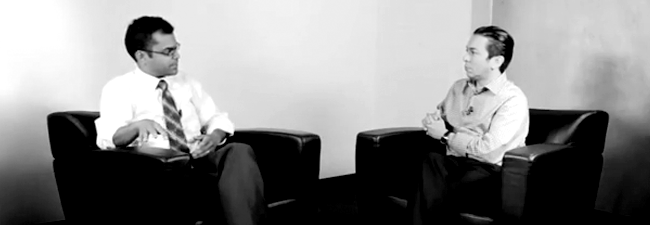
How Government Should Embrace Startups and Innovation to Revamp…Everything
The future of government isn’t just created, it’s co-created Technology is disrupting everything it touches, from arts to government. But with disruption comes an opportunity to innovate. And of all the places where innovation is overdue, government takes the top spot. This episode of Revolution features Jay Nath, who serves as chief innovation officer for the City of San Francisco. Nath works with Mayor Ed Lee to embrace the city’s vast pool of technology startups and entrepreneurs in order to…

User Experience is Not Just Design, It’s the Key to Innovation and Growth
It’s not every day you have Jesse James Garrett stop by to talk about the state of user experience (UX) and its role in the future of business. But, we were fortunate to have him visit the set of Revolution to talk about the importance of people and experiences and how UX deserves the attention of the c-suite. The author of The Elements of User Experience and Co-Founder of Adaptive Path, Garrett has literally written the book on user experience….
USA Today’s Jon Swartz on the The Urgency of Now
Jon Swartz is a veteran technology reporter based in Silicon Valley currently covering emerging and disruptive tech at USA Today. This is the second time we’ve invited him to Revolution. His take on news trends is less about hype and more about how technology impacts everyday business and society. Sometimes technology is the solution as much as it is part of the problem. For consumers, the ability to use mobile, social and the web is not only enlivening real-time experiences,…