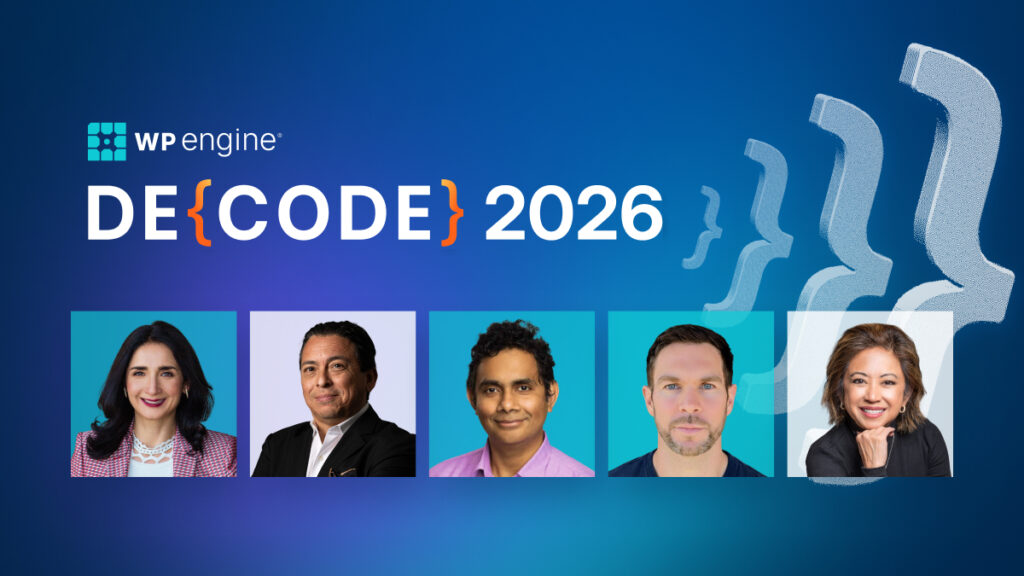
WP Engine’s seventh annual DE{CODE}, a global virtual conference designed for developers, agencies, and marketers driving web innovation, brought together a massive global audience. With nearly 2,800 live attendees, sessions explored how AI is reshaping the way the web works for both humans and agents. More than 40 speakers took the virtual stage to share expert insights on everything from machine-readable content to the rise of zero-click commerce. This year’s conference was a deep, unflinching look at what it means…
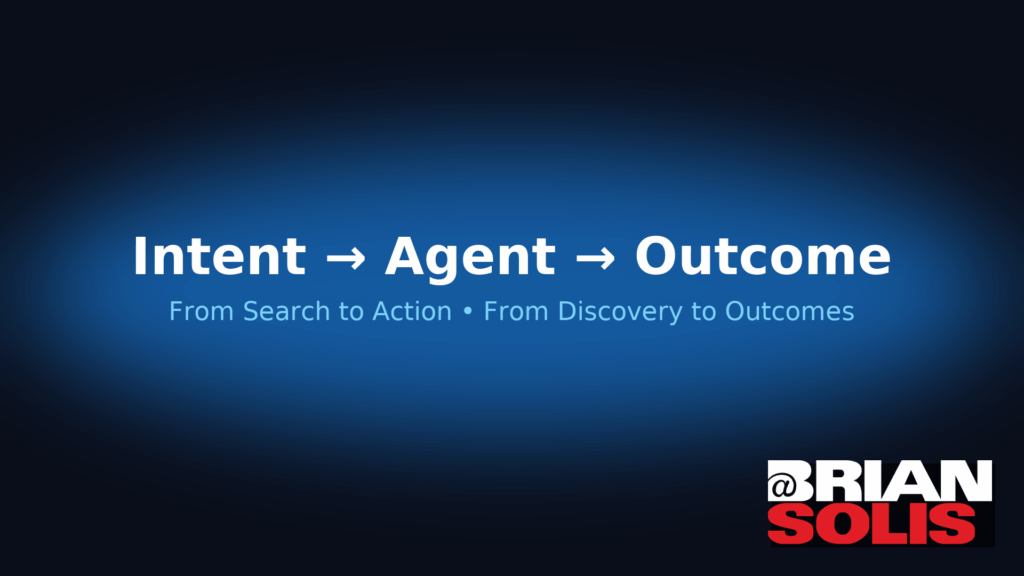
Weaving a Web of Agents: ChatGPT Atlas Turns Search into Action and Discovery into Outcomes
I haven’t written about a browser since the early 2000s. We are about to change how we discover, decide, and do things on the web again. And the very purpose of the web is shifting. For decades, the web was built for humans clicking links. The next era is being built for agents completing tasks. I’ll unpack that bigger shift in a follow-up, but first, let’s look at what’s here now and why it matters. Two AI-Native Browsers Draw a…
AInsights: OpenAI Introduces SearchGPT and With It, The Rise of an AI Search Revolution
AInsights: Your executive-level insights making sense of the latest in generative AI… First Perplexity introduced genAI users to the practice of intelligent search. Then Perplexity introduced Pages to reflect intelligent summaries of your research. Now OpenAI is joining the mix to introduce SearchGPT, a genAI-powered search engine designed to take on Google and other generative AI platforms. SearchGPT leverages OpenAI’s generative AI language models, specifically from GPT-4, to provide more intuitive and conversational search experiences. Instead of just listing links, usually…
AInsights: The Future of Google Search Ain’t What It Used To Be; The Rise of Ignite Moments
AInsights: Executive-level insights on the latest in generative AI…subscribe here. Google is exploring options to charge for “premium” features powered by generative artificial intelligence (genAI), which could rock its core search business and the search industry at large. The idea is to introduce value-added AI services into its premium subscription, which also offers Gemini AI assistant in Gmail and Google Docs. Google’s traditional search engine would remain free to users, supported by advertising. But charging for enhanced search features could…
Introducing #IgniteMoments: Customers Experience So Much Darkness in Their Journey, Optimize Digital Customer Experiences to Deliver the Light
Today’s customer journey is built upon decades of legacy infrastructure. Even with modernization, the relationship between digital and physical touch points are often disjointed, transactional, and in many cases, they just feel outdated. When I was asked to keynote DEEPCRAWL Live and share my ideas for a new future in marketing and search, I jumped at the opportunity. I had so much to share. In particular, I was anxious to preview the “Ignite Moment,” the moment that immediately follows micro-moments and…
The Content Experience Also Shapes the Customer Experience, Design Accordingly
Originally published in the Alexa blog, “Out with Content Strategy, In with Content Experience.” Did you know that 90% of smartphone users are not absolutely certain of the specific brand they want to buy when they begin looking for information online? And, 65% look for the most relevant information regardless of the company providing the information? The question for you is, where is your business in these activities? What is it that customers find about your brand, if at all,…
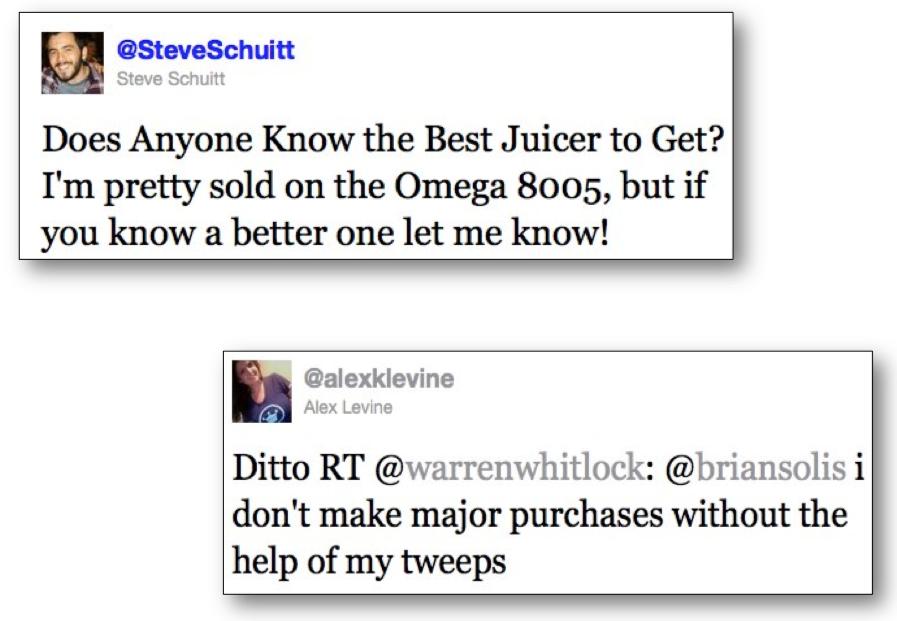
A New Era for Search: The Zero Moment of Truth is Now Defined by Shared Customer Experiences
This is the story of when ZMOT met UMOT… Search is a natural step in the discovery process. In a web world, search engines offer a lens into a qualified and structured view to help online consumers focus and make informed decisions. With Google dominating search, marketers concentrated on improving search ranking through tried and true techniques to ensure that what they were marketing earned a coveted position in the likely search results a customer might consider clicking. Search is…
The Ultimate Moment of Truth and The Art of Digital Engagement
In 2012, Google along with Jim Lecinski published a fantastic book that explored how digital customers made decisions in what Google refers to as “The Zero Moment of Truth.” The ZMOT as it’s abbreviated, helps strategists discover relevant strategies and tactics on how to show up at the right place, at the right time and with the right content in a digital ecosystem. In a world where consumers “Google it” to begin their digital journey, ZMOT revealed that brands need…
The Future of Marketing Starts with Publishing Part 1
I recently called for businesses to broaden their perspective of Social Media from an experimental stage of acting and reacting, to one of learning and leading through intelligence, participation, and also publishing. Creating social profiles and broadcasting tweets and status updates is elementary, whereas creating a meaningful presence through the development and dissemination of remarkable content is judicious. What lies ahead is an inflection point in the maturation of social media, publishing, marketing and communications. And, it all begins with…
Optimize Your Brand for Sharing and Social Search in 11 Steps
In Part One, we focused on how to make your brand findable and shareable in social media. A white paper by Gigya validates the shift to, and resulting importance of, social search and its dependence on crowd participation. Online businesses must optimize in order to earn referral traffic from social networks. With the advent of social feeds — a live stream of friends’ activity shared on social networks like Facebook and Twitter — consumers can more easily rely on trusted…