
“Social media has made too many of us comfortable with disrespecting people and not getting punched in the mouth for it.” – Ice T In real life… Free speech is not free from consequence. Spreading misinformation whether you aim to sow discord or because you actually believe it, is not free from consequence. Exchanging conflict for views, popularity and financial gain is not free from consequence. Inflicting emotional, psychological or emotional pain and aguish on another human being for any…

Brian Solis Quoted Extensively In A Venture Beat Article About The Implications of Nasty Online Rhetoric
Solis and Two Hat Security CEO Chris Priebe are the main sources of insight and information presented in an article by the Venture Beat staff entitled, “Nasty online rhetoric hurts brands and business, not just our sense of niceness, based on a VB Live presentation. The piece kicks off with a quote from Solis, whose book Lifescale is also mentioned: “I want to quote the great philosopher Ice-T, who said recently, social media has made too many of us…
![Ask Me Anything: A Very Personal Reddit AMA to Celebrate the Release of Lifescale [Full Transcript]](https://briansolis.com/wp-content/uploads/2019/05/58383328_10156469766012887_7220431170989719552_n.jpg)
Ask Me Anything: A Very Personal Reddit AMA to Celebrate the Release of Lifescale [Full Transcript]
It’s been years since I last hosted an AMA (Ask Me Anything) on Reddit. With the release of Lifescale: How to Live a More Creative, Productive and Happy Life, it was time to change that. On May 2nd 2019, I took to Reddit once again for the first in a two-part series. The first part is here if you’d like to ask your question on the official AMA page. I also included the conversation as of May 5th to share…
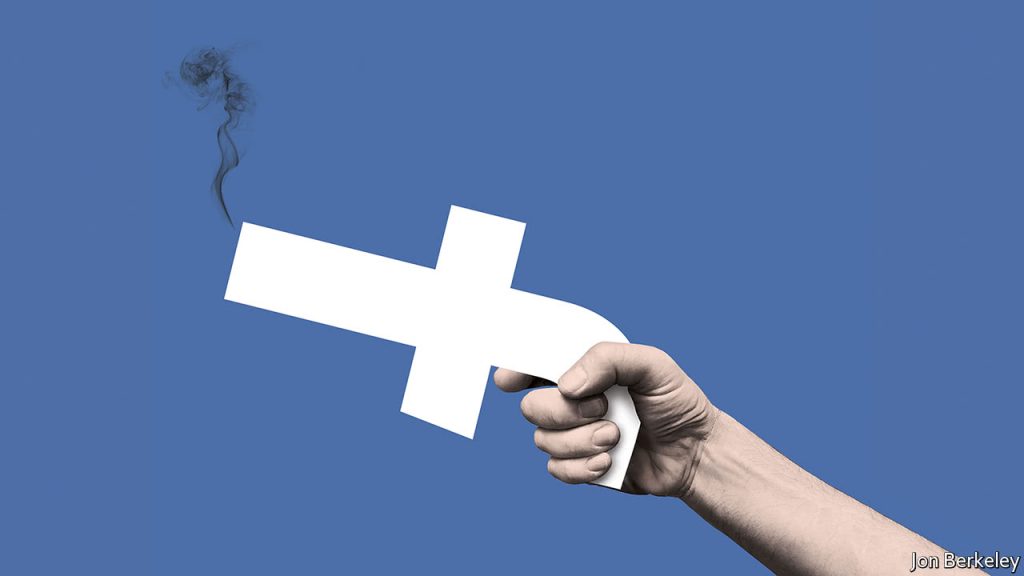
The Content Moderation Imperative: How AI and Humans Will Make Social Media and Gaming Better for the World
I had the privilege of participating in an important conversation about the state and future of social media and gaming and the need to protect users from harmful content and engagement. Joining me in that conversation was Chris Priebe, CEO & founder of Two Hat Security and Stewart Rogers of VentureBeat. You can listen to it (and I encourage you to do so) here. Leading up to the discussion, I spoke with VentureBeat on the subject and the critical need for intelligent…
BrianSolis.com named to the BIGLIST of Top Social Media Marketing Blogs for 2019 and Beyond
Top Rank Marketing, which curates the BIGLIST, explains, “This list focuses in on blogs covering all aspects of social media marketing including the usual suspects of platforms including Twitter, Facebook, Instagram, YouTube and LinkedIn as well as newer platforms like TikTok. From trends to strategies to tactics to analytics, this group of blogs about social media and marketing is a great mix of big names, publications, platforms and a few names that are hopefully new to you.” Top Rank goes…
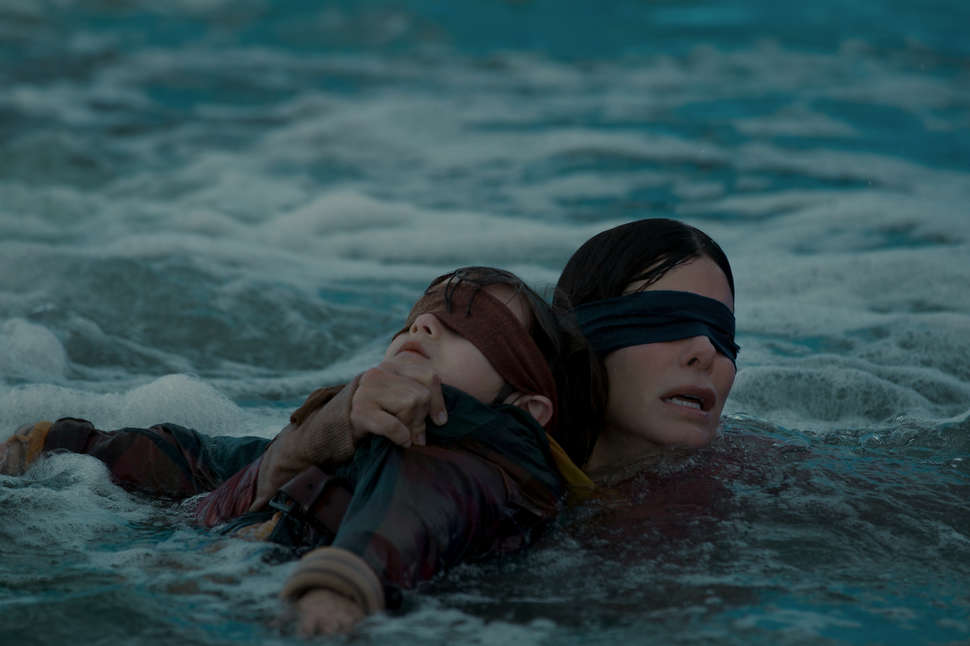
Is Social Media and Gaming Safe? Why Intelligent Content Moderation is the Next Competitive Advantage
I have two small children who, from time-to-time, get to watch YouTube Kids. Even with all of the filters and safety triggers engaged, there are still ways in which those with sinister intent can introduce dangerous content packaged in seemingly harmless videos. Recently, children all over the world were subjected to their favorite Disney characters behaving poorly and in some cases, dangerously, in what’s now referred to as “Elsagate” on YouTube. In February 2019, kids were also trolled by evildoers…

Soshace online platform names BrianSolis.com to Best Blogs for Entrepreneurs
April 18, 2019 – Soshace, an online platform that connects IT professionals and companies, has named BrianSolis.com among the top seven blogs for entrepreneurs alongside other respected bloggers Seth Godin, Neil Patel, Shane Parrish, and Dr. Jeff Cornwall. Marina Vorontsova of Soshace writes, “(Brian has) helped many brands and celebrities (among them are Oprah and Ashton Kutcher) achieve their goals, transform their lives, and aim for innovation, rather than complacency.” She continues by discussing Brian’s latest book, LifeScale, which focuses…
Brian Solis’ Social Media Quote Among Classic Quotes from 22 Marketing Experts on LinkedIn Marketing Solutions Blog
Solis is among 22 Marketing Experts quoted in a LinkedIn Marketing Solutions Blog article by Megan Golden called “More Than Words: Classic Quotes from 22 Marketing Experts and Why They Matter.” The piece features Wisdom from Classic Marketing Experts, Digital Marketing Quotes for the Modern Pro, Quotes from Content Marketing Experts and Social Media Marketing Quotes. Solis’ quote is the first in the final section: “Social media is about sociology and psychology more than technology.” Golden comments: “In this age…
VentureBeat Features Webcast with Brian Solis and Two Hat Security on the Criticality of AI and Content Moderation
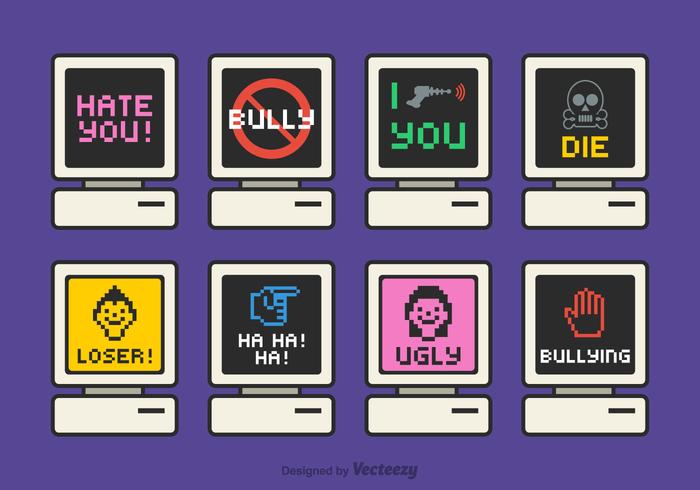
VentureBeat is set to feature famed digital analyst, anthropologist, best-selling author and keynote speaker Brian Solis along with Two Hat Security on an important discussion on the importance of AI, automation and responsible content moderation. Being called upon to strengthen content moderation has actually proven to be a plus for online communities, because it can actually boost user retention and encourage growth. “Leading platforms are also either not reacting until something happens, or they’re paying lip service to the issues,…
Brian Solis’ SXSW 2019 Lifescale Launch Party Praised on NICKSAV Film & Music Show Podcast
Solis’ launch party for Lifescale at SXSW 2019 was singled out for special praise on podcaster Nick Savides’ NICKSAV Film & Music Show (nicksav.show) covering the festival. On an episode called “Notable, Films Music and Experiences,” Savides says that Solis’ earnest presentation helped him center himself and be present amidst an even that can be full of chaos, distractions and the feeling of having to rush off to the next event. The host was impressed by Solis’ philosophy of taking…