Industry publication a.list recently took a look at Brian Solis’ Altimeter report on the current state of influencers, sharing conclusions along the way.
Digital Transformation is Still Largely Technology-First, People-Second
Digital transformation has officially become a ubiquitous term that describes any company’s investment in digital infrastructure regardless of ultimate vision and intention. But, unless digital transformation takes a technology-second and a customer/employee first approach, investments will be unaligned with market evolution and more importantly, human behaviors, preferences and expectations. Technology is just a means to power business transformation. But technology can only get part of the job done. You need people. And, like technology, people are changing. Each time I…
State of Mobile Commerce: An Evening in San Francisco with Criteo
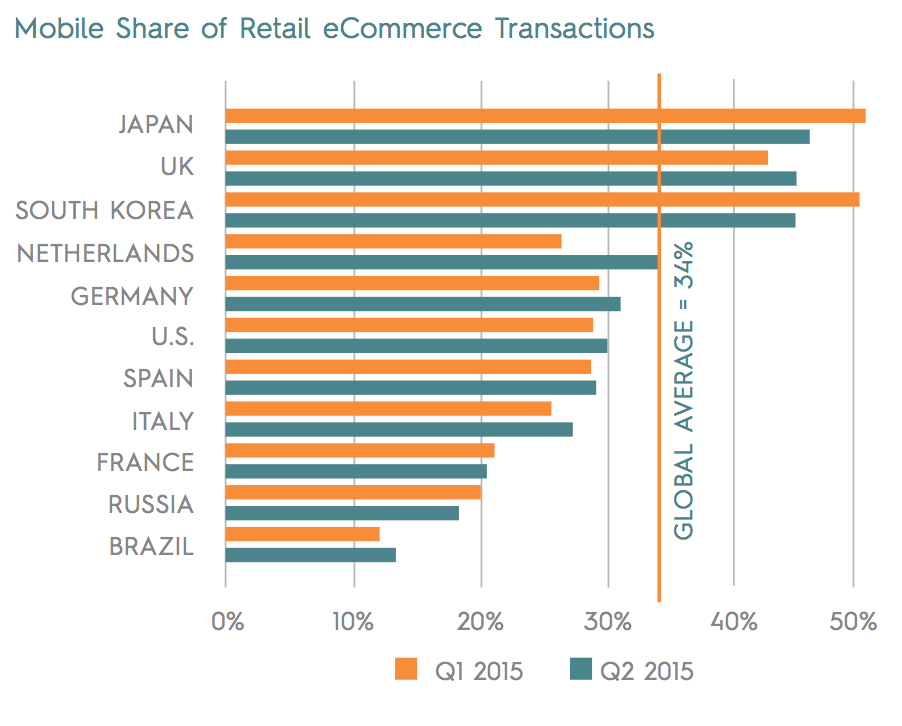
I recently had the opportunity to co-host an event in San Francisco with Jonathan Wolf of Criteo to discuss the past and future of retail and mobile commerce. That evening celebrated the release of the company’s quarterly State of Mobile Commerce Report, based on its pool of online shopping data covering more than a billion transactions totaling over $130Bn of annual sales. That evening, we would entertain some of the most interesting people documenting or contributing to the future of ecommerce,…
Digital Transformation: A Year in Review
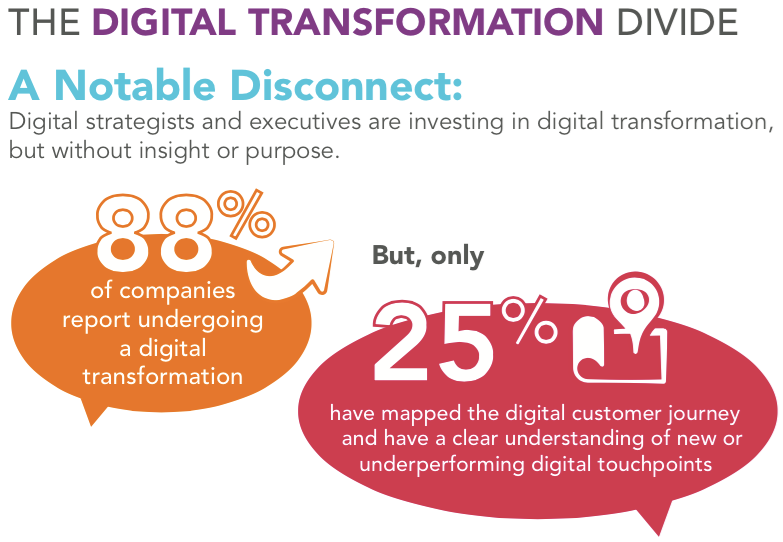
When I published the first in a new series of reports exploring the state and future of Digital Transformation, it was almost the antithesis of a typical technology report. It didn’t talk about tech trends for automated marketing. It mentioned zero platforms, software or apps for improving processes, manufacturing or customer or employee engagement. It also didn’t talk about the latest enterprise cloud services to improve marketing or CRM or process big data and the like. Instead, I, along with…
The State of the Blogosphere 2011
Part 14 in a series introducing my new book, The End of Business as Usual…this series serves as the book’s prequel. When you think about social media, what do you envision? Twitter, Facebook, Youtube, Foursquare? If you’re like me, blogs would have made the top of the list. But how can blogs survive in a time when the attention of connected consumers is not only precious, it’s elusive. After all, people can read no more than 140 characters at a…
The State of Social Media 2011: Social is the new normal
Part 6 in a series introducing my new book, The End of Business as Usual…this is not content from the book, this series serves as its prequel. The state of social media is no insignificant affair. Nor is it a conversation relegated to a niche contingent of experts and gurus. Social media is pervasive and it is transforming how people find and share information and how they connect and collaborate with one another. I say that as if I’m removed…
Checking-in to the State of Foursquare
Last year at SXSW, Foursquare founder Dennis Crowley joined Frank Eliason (previously @comcastcares), Altimeter Group’s Jeremiah Owyang and me on stage to discuss the shifting landscape of social engagement. While I focused on the sociology of engagement and the impact it is having on culture and society, I also sought to balance the conversation by demonstrating the impact of digital actions and interaction between people and businesses. Whether intentional or not, Crowley and team unlocked the elusive gates that separated…
The State and Future of Twitter 2010: Part Three
In Part Two of The State and Future of Twitter, we reviewed Promoted Tweets and the new advertising platform and metric system that will test and hopefully strengthen the “interest graph” that connects individuals around relevant subject matter and eventually the ads that they might find relevant. In Part Three, we are going to review the news and ideas that erupted during the Chirp conference as well as the new features that position Twitter as “consumption media” and how it…
The State of the Twittersphere 2010
Original Artwork by @Natasha The state and future of Twitter is passionately debated as users and industry pundits explore whether or not the platform and the relationships that connect one another are in danger of slowing or worse, regressing. Over the last year, Twitter experienced its most phenomenal growth to date, fueled by the adoption of the communication network by highly visible and influential personalities that attracted legions of new users to establish one-to-many and ultimately many-to-many connections. But, then…
Rumors of the Death of Blogs are Greatly Exaggerated
Source: feministing Each year at Blogworld Expo, Technorati CEO Richard Jalichandra presents The State of the Blogosphere as one of the event’s prestigious keynotes. For those who are unfamiliar with Technorati, it serves as a directory and search engine for the blogosphere as well as a benchmark for the ranking of blogs worldwide. While there has been much discussion about the relevance and even demise of blogs as the statusphere and micro updates gained traction in addition to earning prominence…