
TechRepublic’s Macy Bayern covered the release of Frost & Sullivan’s latest analysis, “Top End User Priorities in Digital Transformation, Global, 2019.” To add expert perspective to these important trends, Bayern reached out to digital analyst and futurist Brian Solis. The article features highlights from their excellent conversation. The unabridged transcript of their discussion is here. The retail (44%) and transportation (43%) industries are leading the pack in digital transformation. “Frost & Sullivan define digital transformation in a very traditional sense,…
One Important Social Media Trend We Need to Think More About in 2020
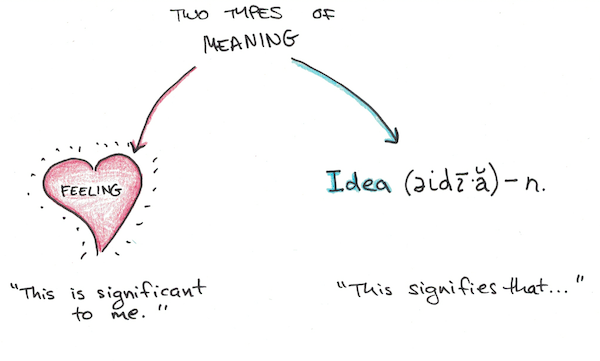
It’s that time again where we explore what’s new and possible in the new year. My dear friend Lee Odden assembled a stellar panel of experts to share predictions and trends for social media marketing in 2020. While I’m not a social media marketer, I study how social media and digital trends are reshaping the human network and society online and offline. I’d like to share my thoughts with you here. I’d also love to hear your predictions and trends for the…
MarketingTech: Brian Solis: On CMO pressure, nailing customer journey touchpoints and the rise of Influence 2.0
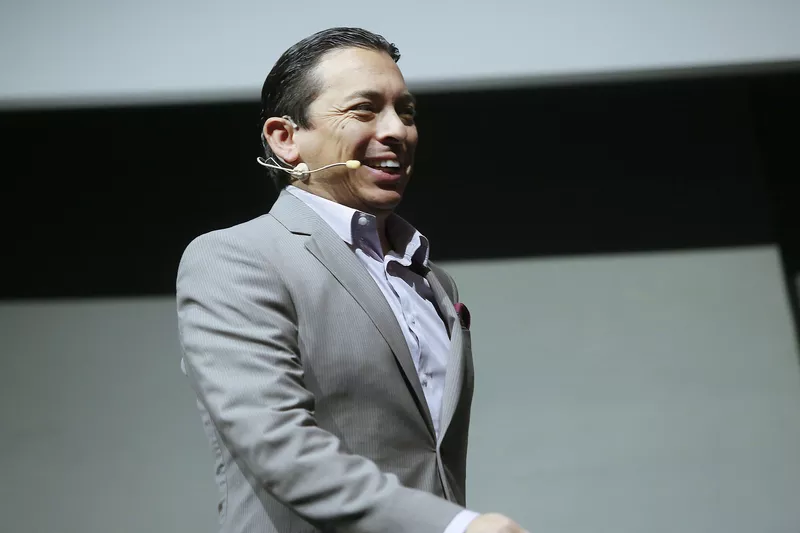
James Bourne of industry publication MarketingTech recently conducted a long and wide-ranging interview with Brian Solis about the present and future of their industry.
Venture Beat: Online marketplaces must go beyond sales to experiences
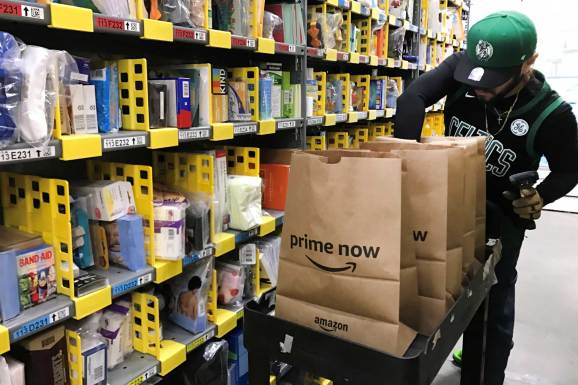
Industry publication Venture Beat recently took a look at Brian Solis’ Altimeter report on the state and future of digital marketplaces, drawing conclusions along the way.

Fonolo: 5 More Contact Center Reports Worth Your Time
The Fonolo industry blog recently did an overview of great reports regarding contact centers, citing Brian Solis’ recent look at the rise of collaborative contact centers.
Solvis Consulting: “The Digital Change Agent’s Manifesto” para la transformación digital de las organizaciones
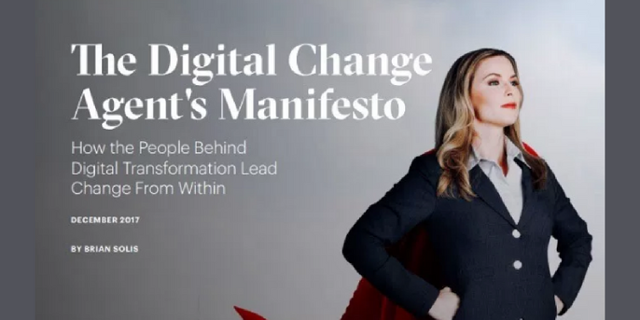
The Spanish-language Solvis Consulting blog recently did an overview of Brian Solis’ report on the Digital Change Agent’s Manifesto.
UCToday: OutLoud: The New Age of Collaborative Contact Centre
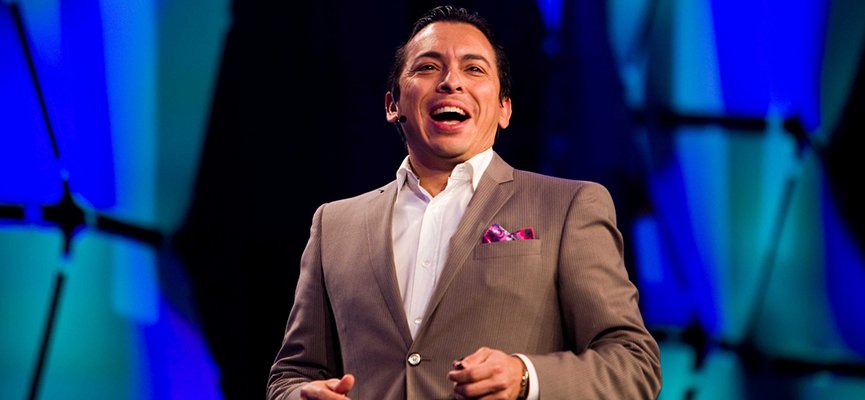
Patrick Watson of industry blog UCToday recently did an extensive talk with Brian Solis for their “OutLoud” podcast, discussing the future of collaborative contact centers. Excerpt: The philosophy of customer experiences is that we have to figure out as an organisation, as executives, that this isn’t a cost centre, it’s an investment in improving CX and it’s so important. Listen to entire podcast at UCToday

CMO.com: How Leading Retailers Are Responding to Digital Disruption
Giselle Abramovich at Adobe’s CMO.com, a blog devoted to marketing topics, recently covered Brian Solis’ newest report for Altimeter Group, which looks at leading trends in retail innovation.
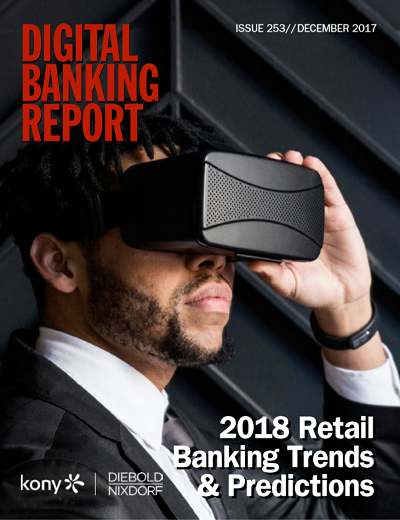
Future digital banking trends that apply to almost any consumer-facing business
Each year, my friend Jim Marous assembles some of the industry’s most interesting perspectives on retail banking trends and predictions for the year ahead. I was invited back to share my thoughts (thank you Jim!) Although, looking back, I still stand by my ideas from the previous two years. I wanted to share the highlights from the report and also my contributions to this year’s list of trends/predictions. I also included ideas from previous years to help financial executives see the…

The Past, Present and Future of Social Media
A big part of my work as a digital analyst and anthropologist is to track emerging and disruptive technology trends and study their impact on business and society. In the early 2000s, much of that work was focused on what was Web 2.0, collaboration (office 2.0) and the rise of social media. It was a very special time in my career. I had the good fortune to be in the center of a very important shift in technology and culture….