Studying the impact of innovation on business and society

About Brian
"A world's top superforecaster." – Entrepreneur
"One of the more creative and brilliant business minds of our time." – Forbes
“One of the greatest digital analysts of our time.” – Antonio Lucio, CMO, HP
"Top futurist speaker." – ReadWrite
“One of the 21st century business world’s leading thinkers.” – ZDNet
"One of the Top 20 must follow thought leaders in Generative AI" – IMMR
" Top 20 digital transformation pros you need to follow" – The AI Journal
"One of the ‘top 10 people to know in Silicon Valley." – Huffpost
"The futurist we all need now." – The Conference Board
"6 Business Speakers Who Will Motivate Your Teams With Their Real-Life Experiences" – GRIT DAILY
"Top AI Leader" – Rethink Industries
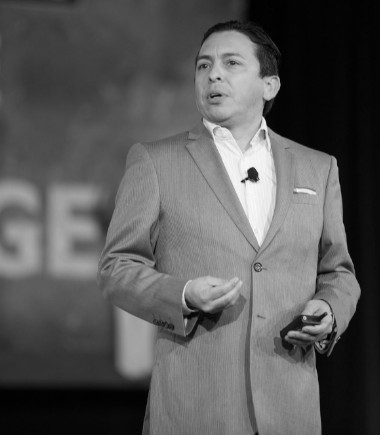
Brian Solis is a world-renowned digital anthropologist and futurist who serves as the Head of Global Innovation at ServiceNow. Brian is also an award-winning author and global keynote speaker.
In his role at ServiceNow, Brian advises business and technology leaders around the world on business and digital innovation and transformation strategies.
Brian has published more than 60 research reports on the future of business, work, digital transformation and innovation across industries such as retail, healthcare, financial services, insurance, and public sector. His published works and presentations humanize disruptive trends and technologies and their impact businesses, markets, and societies. He not only helps audiences understand what’s happening and why, he explains complex subject in a way that everyone can understand. He then visualizes future opportunities and inspires people to take leading roles in defining the future they want to see.
Brian focuses on C-level advisory (earning the nickname, "The CEO Whisperer"), thought leadership, and forward-thinking research that explores mindshifting leadership, AI-first business transformation, innovation, experience design (CX), disruptive technologies, consumerism, the future of work and employee experience, and the cognitive enterprise.
He has advised leading brands, celebrities, and startups and his ideas and work are consistently featured in the press. He’s a regular contributor to leading business and industry publications including Forbes, Harvard Business Review, CIO, Worth, among others. Brian is also an original LinkedIn 500 Influencer (Round 1), which included an elite group of leaders such as Bill Gates, Barack Obama, Richard Branson, and Ariana Huffington. Today, his work is followed by over 800,000 people online.
Brian keynotes events, serves as a director on boards, but is not available for hire as an external advisor or consultant. He engages companies directly in his role as Head of Global Innovation at ServiceNow
Leading Speaker, Futurist, and
Strategic Partner (via ServiceNow)
Always plugged into the future of innovation and market evolution, Brian advises executives, technology vendors, start ups and boards of directors. He also develops research at ServiceNow, hosts custom workshops, and speaks at executive, partner and employee events.
International
Keynote Speaker
A sought-after international speaker and futurist, Solis shares his vision to inspire next-level leadership and business innovation around the world. His talks include digital and business transformation, innovation and disruption, emerging consumer trends, innovation leadership and cultures and the future of work and digital societies. In his work at ServiceNow as the Head of Global Innovation, Brian helps customers and account teams explore the art and start of the possible to stay ahead of emerging and disruptive trends.
Influencer/
Content Strategy
Brian partners with brands and technology vendors on custom content and influencer strategies. His award-winning services include co-branded research and thought leadership reports, original content and media, webinars/webcasts, amplification programs for trends, products and events, and much more.
Award Winning
Author
An 8x best-selling author, Brian’s books include, Lifescale: How to Live a More Creative, Productive and Happy Life, X: The Experience When Business Meets Design, What’s the Future of Business (WTF), and The End of Business as Usual (a top 10 Business Book by Publisher’s Weekly)
The Latest Posts
- Brian Solis / Future of Work, Leadership, Social Issues
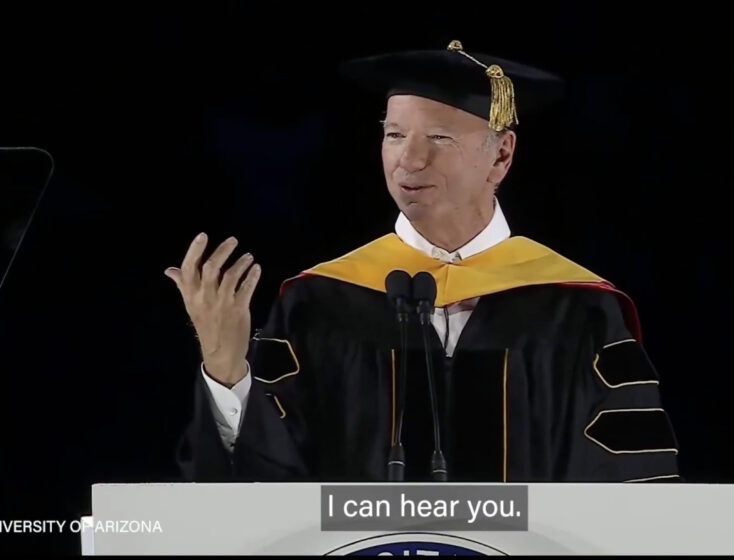
AI’s Next Frontier Isn’t Intelligence, It’s Trust
Maybe people aren’t rejecting AI as much as they’re rejecting a future that’s being imposed on them. When students boo the mention of AI at comm...
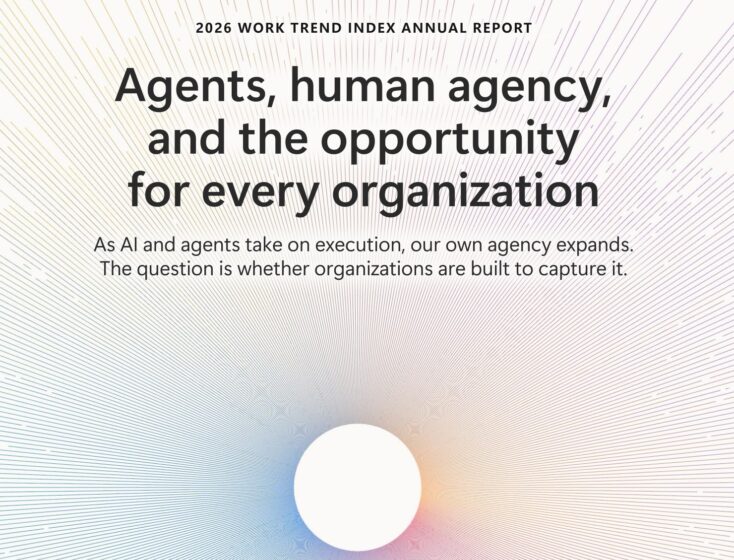
Brian Solis / AInsights, Digital Transformation, Future of Work, LeadershipAI Darwinism Is Here, Now Leadership Must Evolve Next
AI Darwinism isn’t coming. It’s here. The evolution has already begun inside every organization where employees are experimenting faster than leadersh...
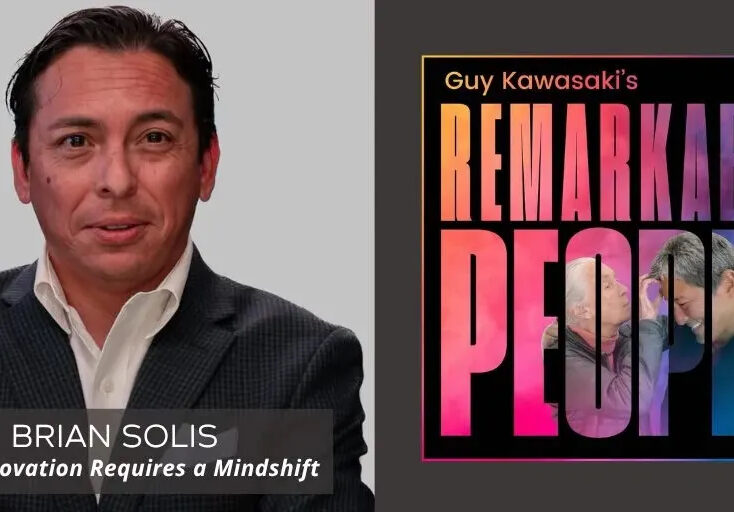
Brian Solis / AInsights, Digital Transformation, Innovation, Leadership, PressAre We Inventing Tomorrow or Optimizing Yesterday? Guy Kawasaki and I unpack the tension at the center of AI, innovation, and leadership today
What a gift to spend time with an old friend (meaning we’ve been friends for a long time. He’s not old!) My latest conversation with Guy K...
- Brian Solis / AInsights, Leadership, Press
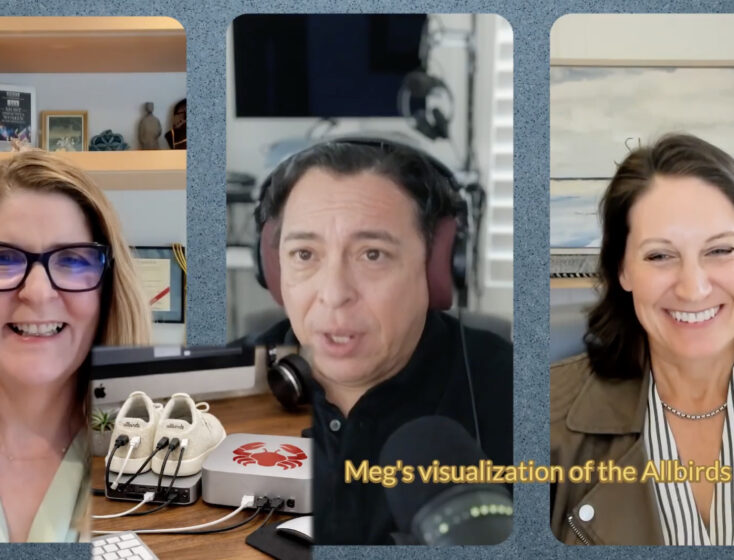
AI Darwinism: How Leaders Move from Automation to Reinvention
I joined The Meg & Amy Show and it felt less like an interview and more like a 1-hour masterclass on how to survive AI Darwinism. So, welcome to m...
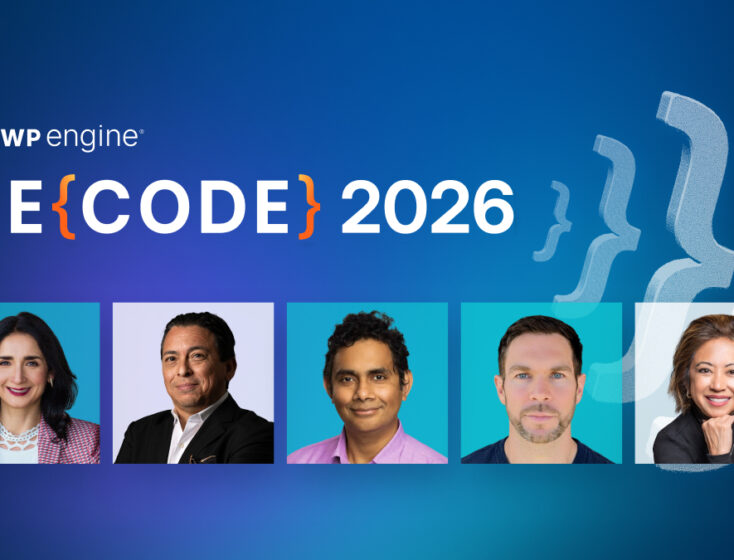
Brian Solis / AInsights, Experience, PressWP Engine Blog: DE{CODE} 2026: Shaping the Intelligent Web, Together
WP Engine’s seventh annual DE{CODE}, a global virtual conference designed for developers, agencies, and marketers driving web innovation, brought toge...
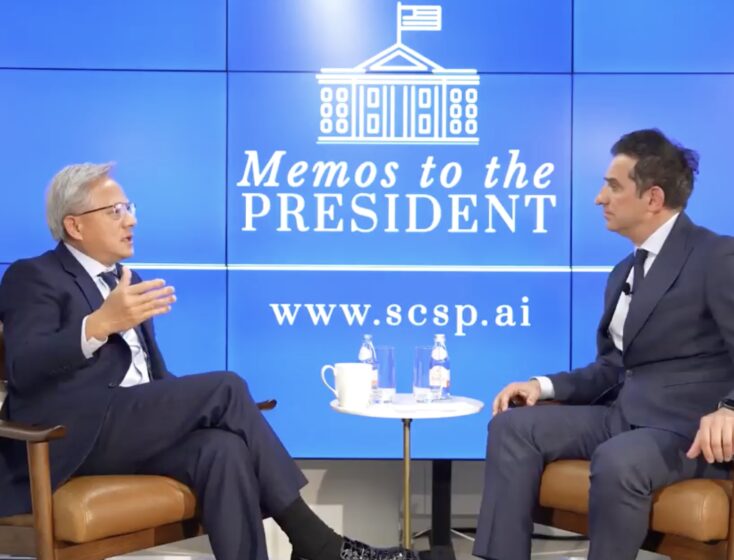
Brian Solis / Future of Work, Leadership, MindshiftAI Doesn't Take Jobs, It Creates Them: Jensen Huang’s Reality Check for the AI Alarmists and Doom-Sayers
Right now, AI narratives seem to be propagating an ROI of return on ignorance instead of a more productive ROI, “return on intelligence.” ...
Brian in The News
- Brian Solis / Press
Accounting Today: AI in the Tax Department
This isn’t the first time you’ve heard of, or read about, AI. Its implications for virtually every sector are completely rewriting the scr...
Brian Solis / PressLifescale Secrets: Grow Your Business Instantly
via The Summary Series Lifescale Secrets: Grow Your Business Instantly Book Summary: Lifescale by Brian Solis 📚 Buy this book on Amazon...
Brian Solis / PressThe Wharton Blueprint for AI Agent Adoption Features Insights from ServiceNow's Brian Solis
ServiceNow’s Head of Global Innovation Brian Solis was included in The Wharton Blueprint for AI Agent Adoption, a new report from Wharton Human-...
- Brian Solis / AInsights, Digital Transformation, Innovation, Leadership, Press
Are We Inventing Tomorrow or Optimizing Yesterday? Guy Kawasaki and I unpack the tension at the center of AI, innovation, and leadership today
What a gift to spend time with an old friend (meaning we’ve been friends for a long time. He’s not old!) My latest conversation with Guy K...
Brian Solis / AInsights, Leadership, PressAI Darwinism: How Leaders Move from Automation to Reinvention
I joined The Meg & Amy Show and it felt less like an interview and more like a 1-hour masterclass on how to survive AI Darwinism. So, welcome to m...
Brian Solis / AInsights, Experience, PressWP Engine Blog: DE{CODE} 2026: Shaping the Intelligent Web, Together
WP Engine’s seventh annual DE{CODE}, a global virtual conference designed for developers, agencies, and marketers driving web innovation, brought toge...
Research Gallery
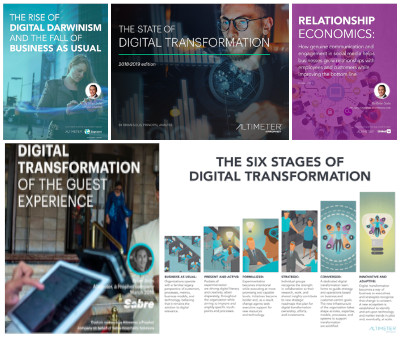
Brian’s body of research has helped shape the evolution of current and unfolding market trends. As a pioneer of digital business, his research and work has served as a driver for innovation among some of the most lauded brands and startups. His recent areas of study include digital transformation, innovation, Generation-Connected, Culture 2.0, The Future of Work, and more. Brian leads original research directly or with partners who share common goals. This gallery was created to give you instant access to some of his more popular reports.
View AllRecent Books
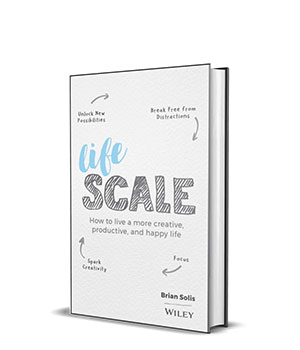
Lifescale
Escape from the dark side of distractions to live a better life. Are you struggling with focus, procrastination, anxiety, self-esteem, forgetfulness, or creativity? From simple first steps to reclaiming your attention, to becoming more satisfied, inspired, and creative, this book will lead you through your own journey of lifescaling: redefining success on your own terms.
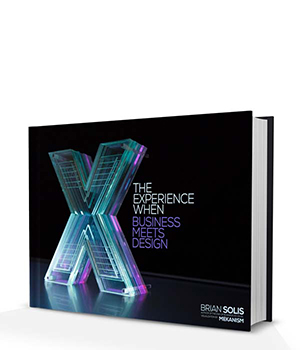
X: The Experience Where Business Meets Design
X explores why great products are no longer good enough to win with customers and why creative marketing and delightful customer service too are not enough to succeed. Brian shares why the future of business is experiential and how to create and cultivate meaningful experiences.
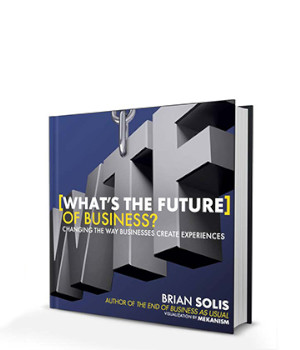
What’s the Future of Business?
What’s the Future of Business explores in a fun, visual and insightful way how connected consumerism breaks down into Four Moments of Truth, the role of technology in decision-making, and how businesses need to create experiences that mean something in each stage and also spark engagement between consumers based on those experience.
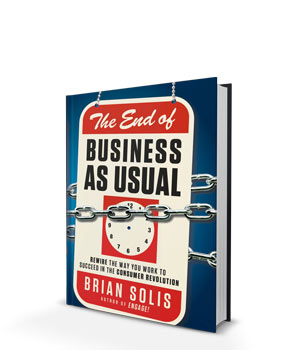
The End of Business as Usual
The End of Business As Usual examines each layer of the complex consumer revolution that is changing the future of business, media, and culture. As consumers further connect with one another, a vast and efficient information network takes shape and begins to steer experiences, decisions, and markets. It is nothing short of disruptive.